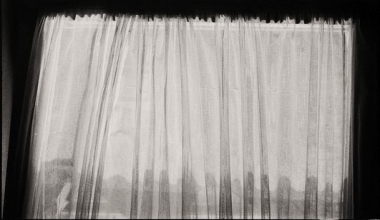
Living in a humid climate brings a unique set of challenges for home furnishings, and blackout curtains are often the first to suffer. These heavy, multi-layered fabrics are designed to block light effectively, but they can also trap moisture and warmth, creating a breeding ground for mold and mildew. If left unchecked, mold not only ruins your curtains aesthetically but also poses significant health risks and emits a musty odor that infiltrates your entire room.
This comprehensive guide will walk you through everything you need to know about blackout curtain care in humid conditions, focusing on mold prevention, cleaning, and maintenance. Whether you are dealing with existing mold or looking to prevent it from ever taking hold, these practical tips will keep your blackout curtains fresh, functional, and beautiful for years to come.

Why Blackout Curtains Are More Susceptible to Mold in Humid Climates
To effectively prevent mold, it's essential to understand why it happens in the first place. Blackout curtains are typically made from multiple layers of tightly woven fabric, often including a acrylic foam or a dark coating that adds to their thickness and weight. This density, while excellent for blocking light, also reduces breathability.
In humid environments, the air is saturated with moisture. When warm, humid air comes into contact with the cooler surface of the window glass or the curtain fabric itself, condensation occurs. The trapped moisture between the curtain and the window creates a damp, dark, and often warm environment—exactly the conditions mold spores need to germinate and thrive. Without proper air circulation, the moisture has nowhere to go, and the mold spreads quickly.
___PROTECTED_1___
Choosing Mold-Resistant Blackout Fabrics
Prevention starts long before you hang your curtains. If you are in the market for new blackout curtains in a humid climate, fabric choice is your first line of defense. Not all blackout fabrics are created equal. Here are some key factors to consider:
Natural vs. Synthetic Fibers
Natural fibers such as cotton and linen are breathable but tend to absorb and hold moisture, making them more susceptible to mold. Synthetic fibers like polyester, nylon, and acrylic are generally more moisture-resistant and dry faster. Look for blackout curtains made from 100% polyester or a polyester blend. These are not only durable but also less likely to absorb water.
Coated vs. Woven Blackout
Many blackout curtains feature a blackout coating on the back, usually made from acrylic or polyurethane. While effective, this coating can create a non-breathable barrier that traps moisture. A better option for humid climates is a triple-weave blackout fabric, which achieves light blocking through tightly woven threads without a separate coating. Triple-weave fabrics are more breathable and allow moisture to evaporate, reducing mold risk.
Water-Repellent Treatments
Some manufacturers offer blackout fabrics with a built-in water-repellent or antimicrobial finish. These treatments help prevent moisture from soaking into the fibers and inhibit the growth of mold and bacteria. When shopping, look for labels that mention 'mold-resistant,' 'antimicrobial,' or 'water-repellent'.
___PROTECTED_2___
Essential Daily and Weekly Habits for Mold Prevention
Even with the best fabric, you need to adopt a few habits to keep mold at bay. Consistency is key.
- Open Curtains Daily: During the driest part of the day, pull the curtains open fully to allow air to circulate across the glass and the fabric. This simple action helps dry out any moisture that has accumulated overnight.
- Wipe Window Sills: Condensation often trickles down the window and pools on the sill. Wipe these areas dry regularly to prevent moisture from wicking up into the curtain hems.
- Use a Dehumidifier: In humid climates, a dehumidifier is a worthwhile investment. Aim to keep indoor relative humidity between 30% and 50%. This makes your entire home less hospitable to mold.
- Ensure Airflow: Allow air to move around the curtains. Make sure they do not block air vents or radiators. If possible, leave a small gap between the curtain and the wall or window when closed.
Deep Cleaning Your Blackout Curtains: Step-by-Step
Regular cleaning removes dust and spores that can then turn into mold. However, blackout curtains require careful handling. Always check the care label first, as some cannot be machine washed. Here is a step-by-step approach for most blackout curtains:
- Vacuum First: Use a soft brush attachment on your vacuum cleaner to remove loose dust, dirt, and webs from both sides of the curtain. This is a safe, low-moisture way to clean regularly.
- Spot Clean: For small stains, use a mild detergent diluted in water and a white cloth. Dab—do not rub—the stain, then blot with a clean, dry cloth. Avoid soaking the fabric.
- Machine Washing (If Allowed): If the label permits, wash on a gentle cycle with cold water. Use a mild detergent and add an extra rinse cycle to ensure no soap residue remains. Do not use bleach or fabric softener as these can damage the blackout coating.
- Drying is Critical: Hang the curtains immediately after washing. If possible, hang them on a clothesline outside in direct sunlight and fresh air. Sunlight has natural antibacterial properties and helps to quickly dry the fabric. If you must use a tumble dryer, use the lowest heat setting and remove them while slightly damp to air dry completely.
How to Remove Mold from Blackout Curtains
If you've discovered mold, don't panic. Acting quickly can save your curtains. The method depends on the severity of the mold and the fabric type.
For Light Mold Growth
For small, surface-level mold spots, mix a solution of equal parts white vinegar and water. Vinegar is a natural and effective mold killer without the harsh fumes of bleach. Dip a soft cloth into the solution, wring it out well, and gently wipe the affected area. Allow it to air dry in a well-ventilated area or in the sun.
For Stubborn Mold
If vinegar doesn't work, you may need to use a mild soap solution or a specialized mold remover that is safe for fabrics. Always spot-test in an inconspicuous area first. After treatment, rinse the area with a damp cloth and dry thoroughly in the sun.
When to Consider Professional Cleaning
If mold has penetrated deeply into the layers of the curtain, or if the fabric is delicate and dry-clean only, a professional cleaning service is your best bet. They have the tools and expertise to safely remove mold and restore your curtains. In severe cases, especially with coated blackout curtains, the coating may be compromised, and replacement is the safer option.
The Role of Dehumidifiers and Ventilation
Controlling indoor humidity is the single most effective way to prevent mold on blackout curtains. Here is how to optimize your environment:
| Method | How It Helps | Recommended Use |
|---|---|---|
| Dehumidifier | Removes excess moisture from the air, keeping humidity levels low. | Run continuously in humid months, especially in bedrooms with blackout curtains. |
| Air Conditioner | Cools and dehumidifies the air simultaneously. | Use regularly; ensure the unit's filter is clean for maximum efficiency. |
| Exhaust Fans | Removes moist air from bathrooms and kitchens, preventing it from migrating to other rooms. | Run for at least 20 minutes after showering or cooking. |
| Open Windows | Creates cross-ventilation when the outdoor humidity is lower than indoors. | Open windows when the weather is dry and pleasant. |
Natural Remedies and Mold Inhibitors
If you prefer to avoid chemical treatments, several natural products can help deter mold growth:
- Tea Tree Oil: A natural fungicide, mix a few drops with water in a spray bottle and lightly mist the fabric once a month. Test on a hidden area first.
- Baking Soda: Dust baking soda onto the curtains, let it sit for an hour, then vacuum it off. Baking soda absorbs odors and moisture and has mild mold-inhibiting properties.
- Lavender Essential Oil: In addition to its pleasant scent, lavender oil is a natural antifungal. Add a few drops to your cleaning rinse or use in a spray mist.
Always allow the curtains to dry completely after any treatment. Moisture is the enemy.
Seasonal Maintenance and Storage Advice
In humid climates, blackout curtains may need extra attention during monsoon seasons or times of high humidity. If you plan to remove and store them, follow these steps:
Before Storage
Clean and dry the curtains thoroughly. Any hidden moisture will cause mold during storage. Fold them loosely (do not vacuum pack, as this traps moisture) and place them in a breathable cotton storage bag. Add a silica gel desiccant packet or a natural moisture absorber into the bag.
Periodic Refresh
Every couple of months, take the curtains down and air them out in the sun for a few hours. Sunlight kills bacteria, dries out the fabric, and eliminates musty odors. This is one of the simplest and most effective maintenance routines.
When to Replace Your Blackout Curtains
Despite your best efforts, there comes a time when cleaning is not enough. If your blackout curtains have developed a persistent musty odor, or if the backing or coating is peeling or cracking, it’s time to replace them. Aging curtains become less effective at blocking light and more prone to mold due to structural breakdown. Investing in new, mold-resistant blackout curtains will save you the hassle and protect your indoor air quality.
By understanding why mold thrives and implementing these proactive care practices, you can enjoy the benefits of blackout curtains—light blocking, privacy, and insulation—without the worry of mold. In humid climates, a little extra attention goes a long way. Start with the right fabric, maintain a dry environment, and clean your curtains regularly, and they will serve you well for many seasons.