When it comes to achieving total darkness and optimal light control, blackout curtains are an excellent choice for bedrooms, home theaters, and any space where light pollution is a concern. However, the effectiveness of your blackout curtains depends heavily on the hardware you choose and how it is installed. For ceilings, the battle between tracks and rods is a crucial one. This in-depth guide will help you understand the differences between blackout curtain tracks vs rods for ceiling mount, enabling you to make an informed decision for a flawless, light-blocking setup.
Understanding Ceiling Mount for Blackout Curtains
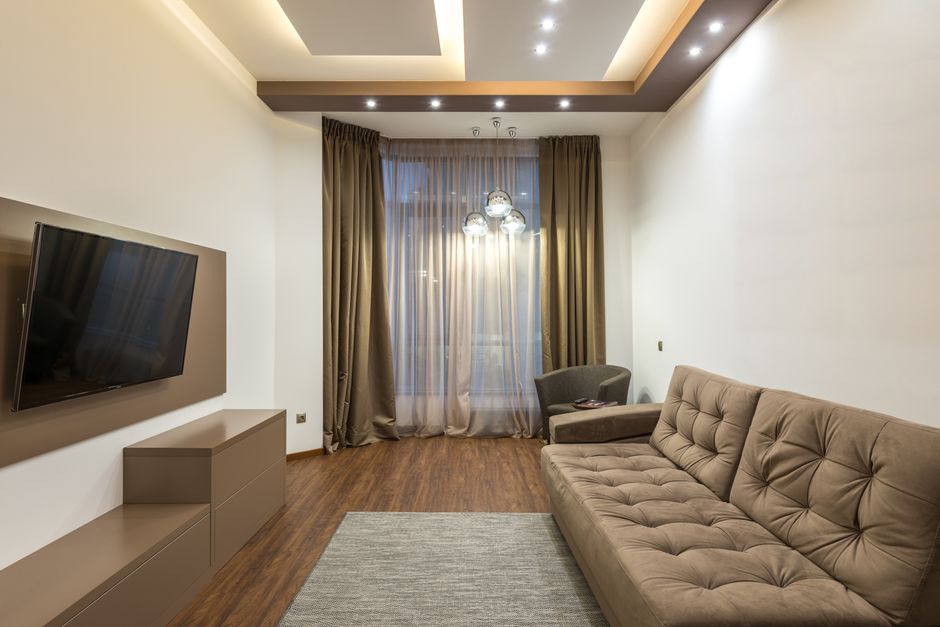
A ceiling mount involves attaching your curtain hardware directly to the ceiling rather than the wall above the window. This method is a game-changer for blackout curtains. Traditional wall-mounted rods often leave a small gap at the top where light can seep through, defeating the purpose of a blackout curtain. By installing the track or rod on the ceiling, you can position the curtain fabric flush against the wall or ceiling, significantly minimizing light leaks. Additionally, ceiling mounts can make a room appear taller and more dramatic, and they are ideal for installations where wall space is limited, such as bay windows, patio doors, or rooms with crown molding.
___PROTECTED_1___
Blackout Curtain Tracks: An Overview
Curtain tracks are typically made of aluminum or PVC and feature a channel that guides the curtain carriers (gliders) along a rail. They are a popular choice for ceiling mounting due to their discreet appearance and flexibility in creating curves or overlapping segments.
Types of Ceiling-Mount Tracks
- Standard Ceiling Tracks: These are simple, straight tracks that attach directly onto the ceiling with brackets. They are cost-effective and work well for most windows.
- Curved Tracks: Ideal for bay windows or corners, these tracks can be bent into a curve or angled shape to follow the window's contour, ensuring complete coverage without any gaps.
- Corded Tracks: For hard-to-reach curtains or heavy fabrics, corded tracks allow you to open and close the curtains with a pull cord, adding convenience and reducing wear on the fabric.
- Cordless Tracks: These operate with a simple manual pull on the leading edge of the curtain, making them a child-safe and clean-looking option.
Pros and Cons of Tracks for Blackout Curtains
Pros:
- Tracks offer a sleek, minimal aesthetic, often disappearing entirely behind a valance or the curtain itself.
- They allow for smooth, gliding operation, which is essential for heavy blackout fabrics.
- Many track systems include a silicone channel to eliminate light gaps at the top, providing a truly blackout environment.
- Ceiling-mount tracks can support heavy curtain weights without sagging, especially when properly secured.
Cons:
- Installation may be more complex than rods, especially when aligning multiple brackets.
- The track system can be more expensive than basic rods, particularly with corded or curved options.
- If the track is visible, it may not suit traditional or decorative interiors as well as decorative rods.
___PROTECTED_2___
Blackout Curtain Rods: An Overview
Curtain rods are classic and widely recognized. For ceiling mounting, rods require specialized brackets that attach to the ceiling, often called ceiling flanges or canopy-mounted brackets. These brackets support the rod horizontally above the window.
Types of Ceiling-Mount Rods
- Standard Ceiling Rods: Using ceiling-mount flanges on both ends, these rods are a straightforward way to install curtains from the ceiling.
- Tension Rods: While not typically designed for heavy blackout curtains, there are adjustable tension rods that can be mounted between two ceiling surfaces, but they are less stable for frequent use.
- Decorative Rods: If aesthetics are a priority, decorative rods are available in various finishes (wood, wrought iron, brushed nickel) and can be ceiling-mounted with decorative end brackets.
Pros and Cons of Rods for Blackout Curtains
Pros:
- Rods are often easier to find and purchase, with many options at user-friendly price points.
- They are simple to install, especially if you have a rod pocket or grommet curtain style.
- The wide range of finial styles and finishes allows for greater decorative expression.
Cons:
- Rods typically leave small gaps at the top where the rod curves, allowing light infiltration unless you use a custom valance or a rod with a channel specifically designed for blackout.
- Heavy blackout curtains can cause sagging over time if the rod or brackets are not robust enough, a common issue with ceiling-mount rods that lack central support.
- For bay windows or angled ceilings, rods are much less versatile than tracks; they require custom bending or multiple rod segments.
Key Comparisons: Tracks vs Rods for Ceiling-Mounted Blackout Curtains
| Factor | Ceiling-Mount Tracks | Ceiling-Mount Rods |
|---|---|---|
| Light Blocking | Excellent – many tracks have built-in channels to block top light gaps. | Moderate – gaps at the top and ends unless extra accessories are added. |
| Installation | Moderate – requires multiple brackets, but can be adjusted precisely. | Simpler – fewer parts, but ceiling mounting often needs flanges. |
| Operation | Smooth gliding, can handle heavy curtains; corded options for easy use. | Pulls smoothly on the rod, but heavy curtains may drag or become uneven. |
| Aesthetics | Minimalist, hidden, ideal for modern décor; can be covered with a valance. | Decorative, traditional, adds a visual statement with finials. |
| Curtain Compatibility | Works with eyelet, wave, pinch pleat, or tab-top curtains using gliders. | Best for ring-top, grommet, or rod-pocket curtains; needs rings for pleated styles. |
| Cost | Generally higher, especially for curved or motorized systems. | More budget-friendly, but decorative rods with ceiling mounts can be costly. |
| Adjustability | Easily adjustable length; curved tracks can be custom-shaped. | Fixed length; you may need to cut or extend rods, which can be challenging. |
Installation and Practical Tips for Ceiling Mounting Blackout Curtains
To maximize the effectiveness of your ceiling-mounted blackout curtains, consider these expert tips:
- Choose the right hardware: Ensure your track or rod is rated for the weight of your blackout fabric. A heavy, thermal-backed curtain may require a heavy-duty track with a weight capacity of 20 kg or more.
- Seal the gaps: For rods, attach a hook-and-loop fastener or magnetic tape along the top of the rod and the back of the curtain to prevent light seepage. For tracks, opt for a model with integrated light-blocking lips or use a valance to cover the top.
- Overlap at the center: When ordering curtains, ensure that the total width exceeds the window width by at least 20-30% to allow for an overlap at the center when closed, eliminating the central gap.
- Mount flush to the ceiling: Use brackets that position the track or rod as close to the ceiling as possible to minimize any gap. Spaces of more than 2 inches can let in daylight.
- Consider a motorized system: For heavy blackout curtains on ceiling tracks, a motorized system offers effortless operation and reduces strain on the hardware and fabric.
- Anchor for safety: For ceiling mounts, always secure the brackets into wooden joists or use heavy-duty drywall anchors to ensure the hardware can support the curtain weight.
Making the Right Choice for Your Space
Choosing between tracks and rods for your ceiling-mounted blackout curtains ultimately boils down to your priorities:
Choose tracks if: You want the highest level of light blocking, have heavy or large curtains, need to fit awkward angles (bay windows), or prefer a minimalistic look that blends with the ceiling.
Choose rods if: You are on a tighter budget, want a decorative focal point, have lighter blackout liners, or are looking for a simple DIY installation without specialized tools.
Remember that blackout curtains are only as effective as their installation. Whether you pick a discreet track or an ornate rod, careful measurement and attention to sealing light gaps will ensure that your ceiling-mounted blackout curtains deliver the dark, comfortable environment you desire.
Frequently Asked Questions
Can I use regular curtain rods on the ceiling?
Yes, but you need special ceiling-mount flange brackets that attach to the rod and the ceiling. Ensure the rod is sturdy enough to handle the weight without bending.
Do tracks work better for blackout curtains?
Generally, yes. Tracks offer a tighter seal against light leaks and can be fitted with channels that enclose the top of the curtain, making them superior for true blackout conditions.
How do I prevent light from coming from above a ceiling-mount rod?
Install a cornice or valance that covers the top of the rod and curtain. Alternatively, use a hook-and-loop tape or magnetic tape to attach the curtain fabric directly to the rod or the ceiling.
What is the ideal distance from the ceiling to the track/rod?
For blackout purposes, mount the hardware as close to the ceiling as possible—usually 1 to 2 inches below the ceiling—to minimize the light gap and create a sleek look.
By carefully weighing the pros and cons outlined in this guide, you can confidently choose the right solution for your blackout curtain needs. Whether you prioritize aesthetic appeal or absolute darkness, ceiling-mounted tracks and rods can both be adapted to provide an elegant and functional window treatment. Make sure to purchase high-quality hardware that complements your curtain fabric, and you will enjoy years of restful, light-free sleep.