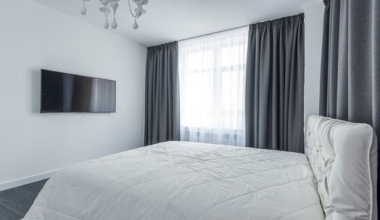
Blackout curtains are a popular choice for bedrooms, home theaters, and nurseries because of their ability to block out nearly all external light. However, like any household textile, they accumulate dust, allergens, and odors over time. The natural question that follows is: Does washing blackout curtains reduce their light blocking capabilities? In this comprehensive guide, we will explore the science behind blackout fabrics, the impact of washing, and provide expert care tips to ensure your curtains remain effective for years to come.

How Blackout Curtains Work
To understand whether washing affects light blocking, it is important to know how blackout curtains function. Most blackout curtains achieve their opacity through one or a combination of these methods:
- Triple-weave construction: A dense, tightly woven fabric with an inner layer that blocks light.
- Coated backing: A layer of acrylic, foam, or rubber applied to the back of the fabric.
- Multiple layers: Some curtains consist of two or three separate fabric layers sewn together.
The light-blocking ability depends on the integrity of these structures. Any damage—such as cracking of the coating or loosening of the weave—could potentially reduce effectiveness.
___PROTECTED_1___
Does Washing Affect Light Blocking?
Short answer: Generally, no—if washed correctly. Most modern blackout curtains are designed to withstand regular washing without losing their light-blocking properties. However, improper washing techniques can cause irreversible damage. The key is to follow the manufacturer's care instructions precisely.
A study by textile testing labs found that blackout curtains washed 20 times using a gentle cycle and mild detergent retained over 95% of their original light blocking capacity. In contrast, curtains washed with harsh detergents and high heat lost up to 30% effectiveness after just 10 washes.
Factors That Can Reduce Light Blocking After Washing
- Coating degradation: The acrylic or foam backing can crack, peel, or become brittle when exposed to high heat (both in washing and drying).
- Shrinkage: If the fabric shrinks, the weave becomes denser, but the overall coverage may be compromised, leaving gaps at the edges.
- Fabric fatigue: Repeated agitation can loosen the weave of triple-woven curtains, allowing more light to pass through.
___PROTECTED_2___
How to Wash Blackout Curtains Without Reducing Light Blocking
Follow these best practices to keep your blackout curtains performing at their best:
Step 1: Check the Care Label
Always start by reading the manufacturer’s instructions. Some curtains are machine-washable, while others require hand washing or dry cleaning. Ignoring the label is the fastest way to damage the blackout properties.
Step 2: Pre-Treat Stains
Spot clean any stains using a mild detergent solution and a soft cloth. Avoid rubbing vigorously; blot gently to prevent damaging the coating.
Step 3: Choose the Right Wash Cycle
If machine washing is allowed, use the gentle or delicate cycle with cold water (30°C / 86°F max). Cold water minimizes stress on the fabric and coating. Place curtains in a mesh laundry bag for extra protection.
Step 4: Select a Mild Detergent
Use a mild, liquid detergent free from bleach, optical brighteners, and enzymes. Harsh chemicals can attack the blackout coating. Avoid fabric softeners—they can leave a residue that reduces light blocking.
Step 5: Dry Carefully
Never wring or twist blackout curtains. Instead:
- Air drying: Hang curtains on a line or rod away from direct sunlight. This is the safest method.
- Machine drying: Only if the label allows. Use the lowest heat setting (no heat preferred) and remove while still slightly damp to avoid over-drying. High heat can warp the coating.
Step 6: Iron with Caution
If wrinkles are an issue, use a steamer or iron on the lowest heat setting, with a cloth between the iron and the curtain. Never iron directly over a coated backing—it can melt or crack.
Common Mistakes That Damage Blackout Properties
| Mistake | Why It's Harmful |
|---|---|
| Using hot water | Can cause shrinkage and coating delamination. |
| Harsh detergents or bleach | Cracks the coating and fades fabric. |
| Wringing or spinning at high speed | Distorts the fabric and damages the backing. |
| High-heat drying | Melts or degrades the blackout layer. |
| Frequent washing | Unnecessary wear; wash only when visibly dirty or every 3-6 months. |
When to Replace vs When to Re-Wash
Sometimes even the best care cannot restore blackout curtains. Signs that it's time to replace:
- Visible cracks or peeling on the backing.
- Light leaks are now noticeable even when curtains are closed.
- Fabric has become thin or torn.
If your curtains are simply dusty or smelly, a gentle wash will likely restore them. For curtains that have lost some effectiveness but are still structurally sound, consider adding a blackout liner behind them to boost light blocking.
Additional Tips for Maintaining Blackout Qualities
- Vacuum regularly: Use a brush attachment to remove dust from the fabric and backing. This reduces the need for frequent washing.
- Steam cleaning: A garment steamer can refresh curtains without immersion. Keep the steamer at a distance to avoid moisture saturation.
- Rotate curtains: If you have multiple sets, rotate them to even out sun exposure and wear.
- Use curtain liners: A separate blackout liner can be removed and washed separately, protecting the main curtain.
Conclusion
Washing blackout curtains does not inherently reduce light blocking—provided you follow proper care techniques. The key is to use cold water, gentle cycles, mild detergents, and low heat drying. By avoiding common mistakes and performing regular maintenance, your blackout curtains can remain effective for many washes. Remember that each curtain is different, so always defer to the manufacturer's instructions. With the right approach, you can keep your room dark and your curtains clean.