1. Luxurious Appearance and Texture
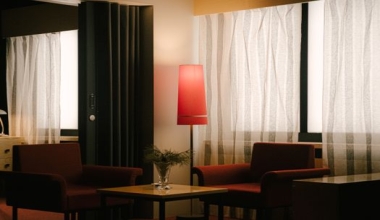
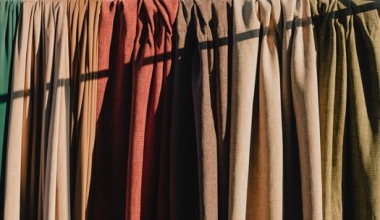
When it comes to elegance, both velvet and silk have a distinct visual appeal. Velvet curtains feature a dense, plush pile that creates a rich, opulent look. The fabric absorbs light, giving a deep, saturated color that exudes warmth and luxury. Silk, on the other hand, has a natural luster and smooth texture that reflects light softly, producing a subtle shimmer. Silk curtains drape beautifully and have a fluid, graceful appearance that is often associated with classic sophistication.
In terms of elegance, velvet offers a more dramatic and formal feel, perfect for traditional or stately interiors. Silk, with its delicate sheen, is ideal for creating a light, airy elegance in spaces like living rooms or bedrooms. The choice between the two often comes down to the desired ambiance: velvet for cozy grandeur, silk for refined simplicity.
___PROTECTED_1___
2. Light Control and Privacy
Light control is a crucial factor for elegant curtains. Velvet is inherently thick and heavy, making it excellent for blackout purposes. Its dense weave blocks out most external light, providing complete privacy and a dark environment ideal for bedrooms or home theaters. Silk, while naturally somewhat opaque, is not as effective at blocking light. Many silk curtains require a lining to achieve similar light-blocking capabilities.
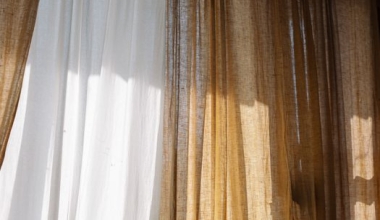
For elegance, the way light interacts with the fabric matters. Velvet's pile creates a subtle pattern of light and shadow, adding depth. Silk's translucency can create a soft, diffused glow during the day, which can be very elegant. However, for rooms where total darkness is desired, velvet is superior.
___PROTECTED_2___
3. Durability and Longevity
Durability is important for long-term elegance. Velvet is generally more durable and resistant to wear and tear. The tightly woven pile can withstand regular use and is less prone to fraying. High-quality velvet, such as cotton or synthetic blends, can last for many years without losing its plush texture. Silk, however, is more delicate and susceptible to damage from sunlight, moisture, and friction. Over time, silk can weaken, yellow, or develop thin spots.
For a long-lasting elegant investment, velvet is often the better choice. It maintains its appearance even in high-traffic areas. Silk requires more careful handling and is best suited for low-use spaces like formal dining rooms or master bedrooms where it can be preserved.
4. Maintenance and Care
Maintenance affects the consistent elegance of curtains. Velvet is relatively low-maintenance; regular vacuuming with a brush attachment and occasional spot cleaning can keep it looking fresh. Some velvet fabrics are machine washable, though dry cleaning is recommended for high-end options. Silk, in contrast, is high-maintenance. It is sensitive to water, heat, and chemicals, and generally requires professional dry cleaning only. Spills can leave permanent marks.
For busy households, velvet offers practical elegance without constant worry. Silk demands more attention and care to preserve its beauty. If you prefer a hassle-free option, velvet is more suitable.
5. Sound Insulation and Acoustic Properties
Both velvet and silk can contribute to sound insulation, but velvet excels due to its density and thickness. The plush pile absorbs sound waves, reducing echo and noise transmission. This makes velvet curtains an excellent choice for creating a quiet, serene environment, which adds to the sense of elegance in a room. Silk, being lighter and thinner, offers less sound absorption. While it can dampen sound to some degree, it is not as effective.
For spaces like home offices, libraries, or bedrooms where tranquility is desired, velvet provides superior acoustic benefits. The added hush enhances the luxurious atmosphere.
6. Thermal Insulation and Energy Efficiency
Thermal insulation is another practical aspect of elegance. Velvet's heavy weight and dense construction make it an excellent insulator. It helps keep rooms warm in winter by reducing heat loss through windows, and cool in summer by blocking heat. This not only enhances comfort but also saves energy. Silk, while a natural temperature regulator, is less efficient as an insulator due to its lighter weight. Silk curtains often need a thermal lining to match velvet's performance.
If energy efficiency is a priority, velvet is the better choice. Its insulating properties add to the comfort and elegance of the room year-round.
7. Cost and Value for Money
Cost is a significant factor in choosing between velvet and silk. Silk curtains are typically more expensive due to the labor-intensive production process and the material's status as a luxury fiber. Prices can vary widely based on quality, but high-end silk can be very costly. Velvet, especially synthetic blends like polyester velvet, offers a more affordable option that still provides a luxurious look and feel. Natural fiber velvets (e.g., cotton, linen) are mid-range.
For elegance on a budget, velvet offers excellent value. It captures the richness of luxury fabrics without the premium price tag. Silk, while undeniably elegant, requires a larger investment. Consider your budget and how often you plan to update your decor.
8. Suitability for Different Rooms and Styles
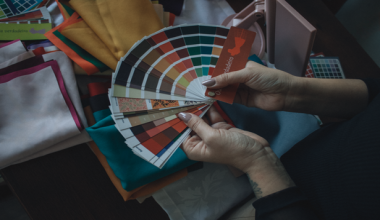
Finally, consider where the curtains will be used. velvet's bold, heavy appearance works well in formal living rooms, home theaters, and master bedrooms. It complements traditional, Victorian, Art Deco, and modern glam styles. Silk's lighter, more delicate look is perfect for romantic, minimalist, or classical interiors. It shines in dining rooms, guest bedrooms, and spaces with natural light.
For ultimate elegance, some designers combine both: using velvet for outer layers and silk for inner drapery. However, if you must choose one, think about the room's function and your personal style. Velvet offers versatility and durability, while silk provides timeless refinement.