1. Light Control: Total Darkness vs Soft Diffusion
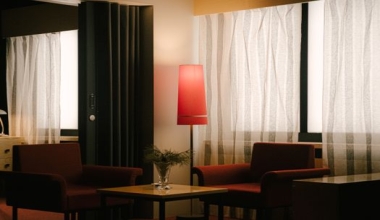
In a photography studio, controlling light is paramount. Blackout curtains are designed to block 100% of external light, creating a completely dark environment ideal for controlling artificial lighting without interference from sunlight. This is crucial for product photography, portrait sessions with specific lighting setups, or when simulating night scenes. The fabric typically features a dense weave with a black coating or interlining that prevents light penetration.
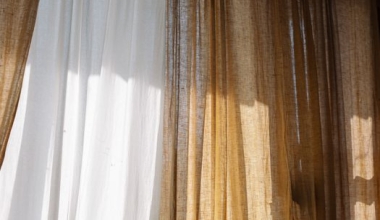
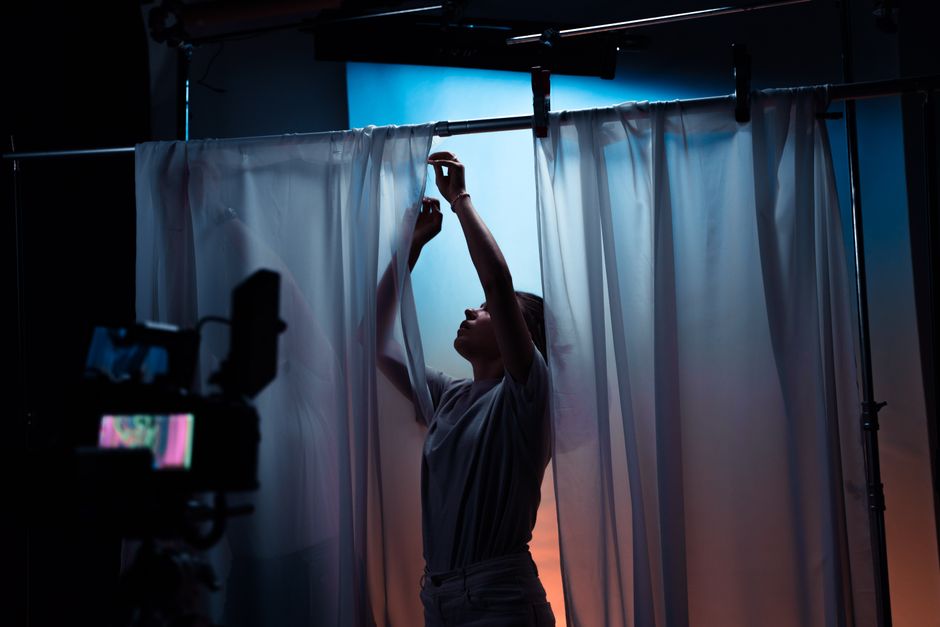
Sheer curtains, on the other hand, allow ambient light to filter through while diffusing it softly. They produce a gentle, natural glow that can reduce harsh shadows and create a flattering, ethereal effect. Photographers focusing on natural light portraits, fine art, or lifestyle shots often prefer sheers to soften window light. However, they offer no light blockage, making them unsuitable for controlling glare or achieving total darkness.
For studios that require flexibility, combining both layers—sheers for diffused light and blackouts for full blackout—provides the best of both worlds. Ultimately, the choice depends on the type of photography you do most.
___PROTECTED_1___
2. Privacy & Diffusion: Blocking View vs Softening Light
Blackout curtains offer maximum privacy by preventing anyone outside from seeing into the studio. This is essential for studios in urban areas or ground-floor locations where clients and equipment need discretion. The dense fabric also eliminates any silhouette visibility. However, blackouts also block the view entirely, which can make a room feel closed off.
Sheer curtains provide daytime privacy by obscuring the view from outside while still allowing light in. They create a one-way mirror effect during the day (when interior light is less than exterior), but at night, they offer minimal privacy. For studios that rely on natural light and want to maintain a connection with the outdoors, sheers are ideal. They also act as a diffuser, softening direct sunlight and reducing contrast in the scene.
Photographers who shoot with natural window light often find sheers indispensable for creating a soft, even light source. Blackout curtains are better for studios that primarily use strobes or continuous lights and need to seal out visual distractions.
___PROTECTED_2___
3. Acoustic Properties: Sound Absorption and Studio Acoustics
While not soundproof, blackout curtains significantly improve room acoustics by absorbing mid-to-high frequency sounds. The thick, dense fabric reduces echo and reverberation, which is beneficial when recording audio alongside video shoots or when working in noisy environments. Many blackout fabrics have a soft, plush backing that traps sound waves.
Sheer curtains, being lightweight and thin, offer negligible sound absorption. They can even flutter in a breeze, creating unwanted rustling noises that might interfere with recordings. For audio-focused photography shoots (e.g., interview setups or behind-the-scenes videos), sheer curtains are a poor choice.
If sound control is a priority, blackout curtains are the clear winner. Combining them with other acoustic panels can create a near-professional recording environment. Sheers should be reserved for silent, still photography.
4. Temperature Regulation: Insulation vs Airflow
Blackout curtains act as thermal insulators, keeping the studio cooler in summer and warmer in winter. The layers of fabric block heat transfer through windows, reducing the load on HVAC systems. This is especially important for studios with large windows that experience temperature swings. A stable environment also helps maintain consistent lighting conditions.
Sheer curtains provide minimal thermal insulation but allow air circulation. In hot climates, they can reduce direct glare without trapping heat, making the studio more comfortable with open windows. However, they do little to prevent heat loss in winter.
For energy efficiency and climate control, blackout curtains are superior. Studios in temperate climates or those that rely heavily on air conditioning will benefit from the insulating properties of blackout fabrics.
5. Durability & Maintenance: Long-Lasting vs Delicate
Blackout curtains are generally more durable because of their heavier construction. They can withstand frequent opening and closing, and the black coating is often treated to resist fading. However, they are prone to dust accumulation and may require professional cleaning due to their weight. Many are machine washable on a gentle cycle if the care label permits.
Sheer curtains are delicate and can snag or tear easily. They require gentle handling and frequent washing to keep their translucent appearance. Dust and oils can accumulate quickly, making them look dingy. Sheers also fade faster under direct sunlight because of their sheer nature.
Maintenance wise, blackout curtains are lower-maintenance despite being heavier. Sheers need more care but are easier to take down and wash. For a busy studio, blackout curtains may be more practical.
6. Aesthetic & Professional Look: Clean, Modern vs Airy, Classic
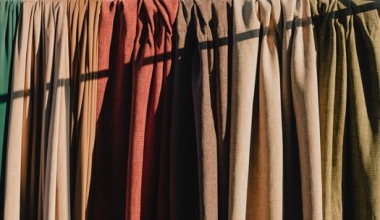
Blackout curtains often come in solid, dark colors (black, navy, charcoal) that give a studio a sleek, professional appearance. They create a clean backdrop and can be used as a neutral background for portraits or product shots. Their uniform opacity eliminates light leaks and distractions.
Sheer curtains offer a soft, romantic aesthetic. They can make a space appear larger and more inviting. White or light-colored sheers are classic for natural light studios. However, they can show wrinkles and uneven folds, detracting from a polished look.
The choice depends on the studio's brand. A minimalist, high-end studio might prefer the crisp look of blackouts, while a bohemian or lifestyle photographer might choose sheers for their gentle vibe.
7. Cost & Value: Investment vs Affordability
Blackout curtains are typically more expensive due to their multi-layer construction and functional benefits. High-quality blackout curtains with thermal and acoustic properties can cost $50–$150 per panel. However, they offer long-term value through energy savings and reduced noise.
Sheer curtains are generally affordable, starting at $10–$30 per panel. They are a cost-effective way to control glare and privacy without heavy investment. However, they may need replacement more often due to fading and wear.
For photographers on a budget, starting with sheers and later adding blackouts can be a practical approach. In the long run, blackout curtains provide better ROI for professional studios that require consistent lighting and sound control.
| Factor | Sheer Curtains | Blackout Curtains |
|---|---|---|
| Light Control | Diffuses light, no blockage | 100% blackout |
| Privacy | Daytime privacy only | Full privacy day & night |
| Acoustics | Minimal | Good sound absorption |
| Insulation | Poor | Excellent |
| Durability | Low | High |
| Aesthetic | Soft, airy | Clean, professional |
| Cost | Low | Higher |
Choosing between sheer and blackout curtains for your photography studio ultimately depends on your primary shooting style, budget, and studio layout. For maximum versatility, consider installing both on separate tracks to adapt to any scenario.