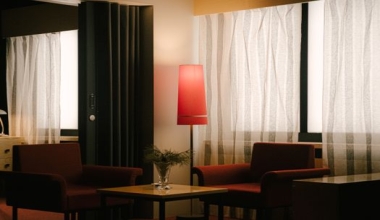
When setting up a home theater, every element matters—from the screen and speakers to the seating and lighting. Curtains often play a dual role: they control light and contribute to the room's aesthetic. Two popular choices are Velvet Curtains and blackout curtains. velvet offers a luxurious, rich texture that absorbs sound and creates a classic cinema feel, while blackout curtains specialize in blocking nearly all external light. This guide pits velvet against blackout curtains for home theater use, weighing ambiance against darkness to help you decide.
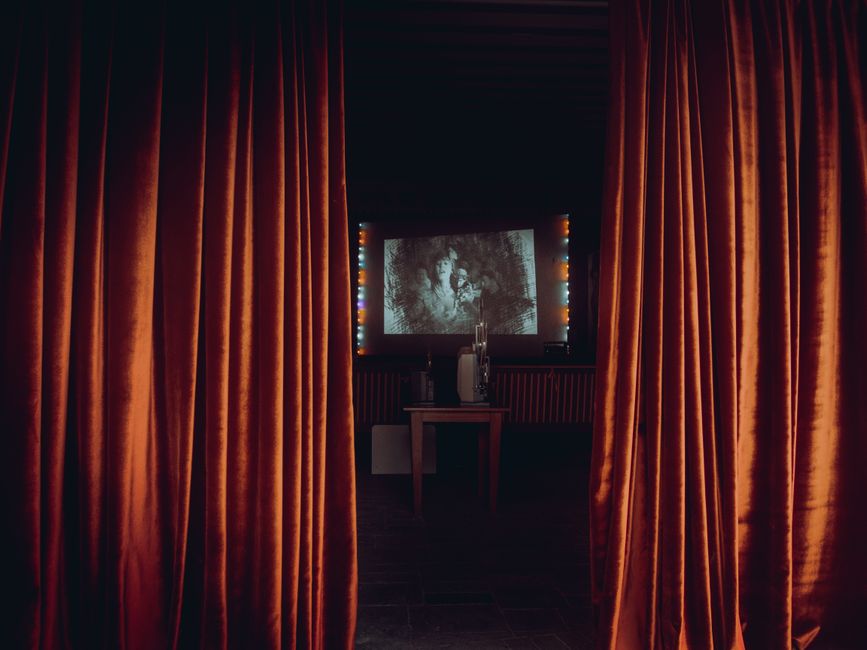
Understanding Velvet Curtains for Home Theater
What is Velvet Fabric?
Velvet is a woven fabric with a dense pile of evenly cut fibers, giving it a soft, plush feel and a distinctive sheen. Traditionally made from silk, modern velvet is often crafted from cotton, polyester, or blends. For home theaters, heavier velvet fabrics (like crushed velvet or royal velvet) are preferred because they drape well and provide better light and sound insulation.
Light Blocking Capabilities
Velvet curtains are not inherently blackout; their light-blocking ability depends on thickness and weave. A high-quality, heavyweight velvet can block 80-95% of light, especially if lined. However, lighter velvets may allow some light leakage. For complete darkness, velvet curtains often require a separate blackout lining or interlining.
Acoustic Properties
One of velvet’s strongest suits in a home theater is sound absorption. The dense pile traps sound waves, reducing echo and reverberation. This improves dialogue clarity and overall audio quality. Velvet’s acoustic performance rivals dedicated acoustic panels when used in sufficient quantity (e.g., floor-to-ceiling drapes).
Aesthetic Appeal
Velvet conveys luxury and warmth, reminiscent of old-school movie palaces. It comes in deep, vibrant colors that enhance the cinematic atmosphere. The fabric’s natural sheen adds depth without being reflective (if matte velvet is chosen). Velvet is ideal for creating a rich, immersive environment.
___PROTECTED_1___
Understanding Blackout Curtains for Home Theater
What is Blackout Fabric?
Blackout curtains are made from tightly woven opaque materials, often with a special coating (like acrylic foam) or multiple layers designed to block light entirely. Common materials include polyester, cotton blends, or thermal fabrics. The term “blackout” indicates at least 99% light blockage when properly installed.
Light Blocking Capabilities
This is the primary advantage: blackout curtains virtually eliminate all external light. With proper side channels or floor-length drapes, they achieve true darkness, essential for projectors or daytime viewing. Many are also lined with a reflective layer to repel heat.
Acoustic Properties
Most blackout curtains are less effective at sound absorption than velvet. Their tight weave and smooth surface reflect sound rather than dampen it. However, some thick blackout curtains with foam lining or multiple layers offer moderate acoustic benefits, but they rarely match velvet.
Aesthetic Appeal
Blackout curtains tend to look more utilitarian. They are available in various colors and styles, but the fabric often feels stiffer and has a matte finish. They can be integrated into modern or minimalist designs but lack the plush elegance of velvet.
___PROTECTED_2___
Head-to-Head Comparison: Velvet vs Blackout Curtains
| Factor | Velvet Curtains | Blackout Curtains |
|---|---|---|
| Light Blocking | Good (80-95%) | Excellent (99%+) |
| Sound Absorption | Excellent | Poor to Moderate |
| Aesthetics | Luxurious, warm, classic | Functional, modern, plain |
| Cost | High (premium price) | Low to Medium |
| Weight | Heavy, requires strong rods | Light to medium |
| Maintenance | Dry clean recommended | Machine washable often |
| Thermal Insulation | Good (if lined) | Excellent (reflective lining) |
Which Is Better for Your Home Theater?
Prioritizing Ambiance: When Velvet Wins
Choose velvet if creating a sumptuous, theater-like atmosphere is your top priority. Velvet’s acoustic improvements elevate audio quality, and its visual richness makes the room feel special. Velvet is ideal for dedicated home theaters where a little light leakage is acceptable (e.g., basement rooms with no windows). Pair heavy velvet with a blackout lining for the best of both worlds.
Prioritizing Darkness: When Blackout Wins
Opt for blackout curtains if you need complete darkness—critical for high-contrast projection or if windows face direct sun. They are also budget-friendly and easier to maintain. Blackout curtains work well in multipurpose rooms where daytime viewing occurs. Supplement with sound-absorbing panels elsewhere.
The Hybrid Solution: Combining Both
Many home theater enthusiasts layer curtains: a blackout curtain closest to the window (to block all light) and a velvet curtain in front (for aesthetics and acoustics). This approach maximizes darkness while retaining velvet’s ambiance. It requires a double curtain rod and proper spacing.
Practical Tips for Choosing and Installing Home Theater Curtains
Consider Room Dimensions and Lighting
Measure your windows precisely. For maximum darkness, curtains should extend at least 6 inches beyond each side of the window and touch the floor. Use blackout liners or interlinings if not built-in. For velvet, choose a density that matches your acoustic needs.
Layering Curtains for Maximum Effect
Layer a blackout curtain with a decorative velvet curtain. This allows you to adjust light levels while maintaining style. Use separate rods or a dual-track system. Ensure the blackout curtain seals edges with side channels or magnets.
Professional Installation vs DIY
Velvet’s weight often requires reinforced rods and professional installation to ensure proper drape. Blackout curtains are lighter and easier for DIY. However, for both types, correct mounting height and overlap are crucial for performance.
Conclusion
Both velvet and blackout curtains have place in home theaters. Velvet excels in ambiance and acoustics; blackout excels in darkness and cost. The best choice depends on your specific room conditions, budget, and priorities. For many, a layered approach offers the perfect balance. Evaluate your home theater needs—whether it’s an immersive escape or a flexible space—and select accordingly.