Understanding Velvet Curtains
Velvet curtains are crafted from a woven fabric with a dense, soft pile that creates a luxurious texture. Traditionally made from silk, modern velvet can be produced from cotton, polyester, or blends. The pile stands upright, giving it a rich, matte finish that absorbs light beautifully. Key characteristics include:
- Texture: Soft, plush, and heavy – ideal for creating a cozy atmosphere.
- Light Control: Excellent blackout capabilities when lined, blocking most light.
- Insulation: Thick construction provides thermal insulation, reducing heat loss in winter and keeping rooms cooler in summer.
- Durability: Synthetic velvet (e.g., polyester) is durable and resistant to fading, while natural fibers require more care.
- Maintenance: Requires gentler cleaning – dry cleaning recommended for natural velvets; synthetic options may be machine washable.
- Cost: Varies widely; synthetic options are affordable, while silk velvet is high-end.
Velvet curtains suit formal living rooms, bedrooms, and home theaters where opulence and light control are priorities.
___PROTECTED_1___
Understanding Silk Curtains
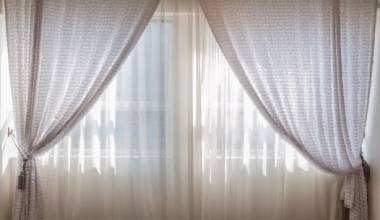
Silk curtains are made from natural silk fibers, prized for their lustrous sheen and elegant drape. Silk has a smooth, shimmering surface that reflects light, creating a sophisticated look. Key characteristics:
- Texture: Smooth, lightweight, and fluid – drapes elegantly.
- Light Control: Typically semi-sheer unless lined; silk alone filters light softly but does not block it completely.
- Insulation: Moderate thermal properties; silk is breathable but not as insulating as velvet.
- Durability: Delicate; sensitive to sunlight (can yellow over time) and humidity. Requires careful handling.
- Maintenance: Dry clean only; avoid direct sunlight exposure to prevent fading.
- Cost: Generally expensive, especially pure mulberry silk.
Silk curtains are best for living rooms, dining rooms, or bedrooms where a light, airy ambiance is desired, and where direct sunlight is limited.
___PROTECTED_2___
Key Differences Between Velvet and Silk Curtains
| Aspect | Velvet Curtains | Silk Curtains |
|---|---|---|
| Material | Cotton, polyester, silk, or blends | Natural silk fibers |
| Texture | Plush, soft pile | Smooth, slick, lustrous |
| Light Blocking | Excellent (with lining) | Fair to medium (sheer unless lined) |
| Thermal Insulation | High | Moderate |
| Durability | Good (synthetic), moderate (natural) | Delicate, sensitive to UV and moisture |
| Maintenance | Dry clean or gentle machine wash (synthetic) | Dry clean only |
| Aesthetic | Rich, heavy, opulent | Luxurious, flowing, light-reflective |
| Best For | Home theaters, bedrooms, formal spaces | Living rooms, dining rooms, low-light spaces |
Which Fabric is Right for You?
Choose velvet curtains if you prioritize light blockage, insulation, and a dramatic, cozy look. Velvet works well in cold climates or rooms facing direct sun (with UV-protective lining). It is ideal for creating a home theater or a cocooning bedroom.
Choose silk curtains if you value elegance, a light and airy feel, and a shimmering aesthetic. Silk is perfect for rooms that already have good temperature control and where you want to add a touch of luxury without overwhelming the space. Avoid silk in high-humidity areas like bathrooms or kitchens.
Consider These Factors
- Room Function: Velvet for sleep or media rooms; silk for entertaining or low-traffic areas.
- Budget: Polyester velvet is budget-friendly; silk is an investment.
- Care Commitment: Velvet (synthetic) is lower maintenance; silk requires professional cleaning and protection from sunlight.
- Light Control: Velvet offers superior blackout; silk provides soft filtering.
- Insulation: Velvet adds significant thermal barrier; silk offers minimal insulation.
Practical Tips for Choosing and Maintaining
For Velvet Curtains:
- Opt for a blackout lining to maximize light control and reduce fading.
- Hang velvet on sturdy rods with rings or a pole pocket; its weight requires strong hardware.
- Vacuum occasionally with a soft brush attachment to remove dust from the pile. For stains, spot clean immediately with mild detergent.
- Avoid crushing the pile; steam lightly if needed (test in an inconspicuous area).
For Silk Curtains:
- Install a sheer curtain behind silk to protect it from direct UV rays.
- Use silk in rooms with consistent humidity and temperature to prevent damage.
- Professional dry cleaning is essential; never machine wash or wring.
- When not in use, store silk curtains in a breathable garment bag away from sunlight.
Conclusion
Both velvet and silk curtains bring unique advantages to your space. Velvet offers unmatched warmth, darkness, and a plush feel, making it a practical yet luxurious choice for many homes. Silk provides an airy, refined elegance that transforms a room into a sanctuary of light and texture. Consider your priorities for light control, maintenance, and budget to make the best decision. Whichever you choose, proper care will ensure your curtains remain beautiful for years to come.