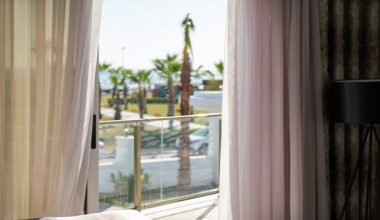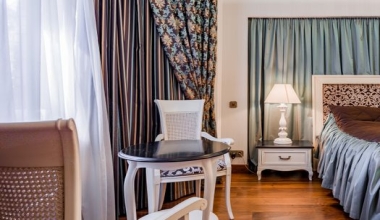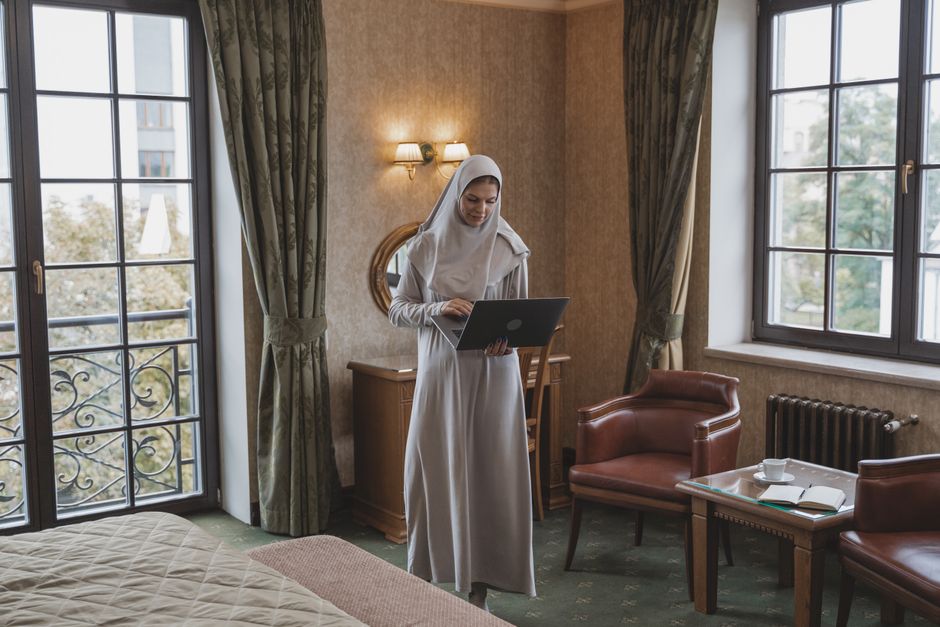
Introduction: The Business Case for Thermal Curtains in Hotels
In the competitive hospitality industry, controlling operational costs is crucial for profitability. Energy expenses, particularly heating and cooling, represent a significant portion of a hotel's overhead. Thermal curtains offer a strategic investment that can dramatically reduce these costs while enhancing guest comfort. This comprehensive guide explores the return on investment (ROI) of thermal curtains for hotels, providing data-driven insights and practical implementation tips to help you make an informed decision.
___PROTECTED_1___
Understanding Thermal Curtains and Their Energy-Saving Benefits
Thermal curtains, also known as insulated curtains, are specially designed window treatments that minimize heat transfer. They typically consist of multiple layers, including a dense foam core or thermal backing, which creates a barrier against temperature fluctuations. Key benefits for hotels include:
- Reduced Heating and Cooling Costs: By trapping indoor air, thermal curtains can lower energy consumption by up to 25% in winter and 15% in summer, depending on climate and window quality.
- Improved Guest Comfort: Consistent room temperatures eliminate drafts and overheating, leading to higher satisfaction scores and positive reviews.
- Noise Reduction: The dense fabric also dampens outside noise, enhancing the sleep experience.
- UV Protection: Thermal curtains block harmful UV rays, preventing fading of furniture and flooring.
___PROTECTED_2___
Calculating ROI for Hotels: A Step-by-Step Approach
To determine the ROI of thermal curtains, hotels must analyze upfront costs versus long-term energy savings. Here’s a practical framework:
Step 1: Estimate Initial Investment
Calculate total material and installation costs. For a standard hotel room (approx. 300 sq ft), expect to invest $200–$500 per window, depending on fabric quality and customization. Bulk orders for multiple rooms may reduce per-unit costs.
Step 2: Measure Current Energy Consumption
Review utility bills for the past 12 months, focusing on HVAC expenses. Determine the average annual cost per room. For example, if a 100-room hotel spends $50,000 annually on heating and cooling, that’s $500 per room per year.
Step 3: Estimate Energy Savings
Industry studies show thermal curtains can reduce HVAC energy consumption by 10–25%. Using a conservative 15% savings, a single room could save $75 per year ($500 × 0.15). Over 100 rooms, that’s $7,500 annually.
Step 4: Compute Payback Period
Divide total investment by annual savings. If installing curtains in 100 rooms costs $30,000 ($300 per window) and saves $7,500/year, the payback period is 4 years. After that, the hotel enjoys pure savings for the curtain’s lifespan (typically 5–10 years).
| Cost Item | Amount |
|---|---|
| Curtains per room (2 windows) | $600 |
| Installation labor per room | $150 |
| Total per room | $750 |
| Total for 100 rooms | $75,000 |
| Annual energy savings per room (15%) | $75 |
| Annual savings for 100 rooms | $7,500 |
| Payback period | 10 years |
Note: Actual savings vary by climate, window efficiency, and curtain quality.
Factors Affecting ROI: Climate, Window Quality, and Curtain Selection
Not all hotels experience the same ROI. Key variables include:
- Climate Zone: Hotels in extreme climates (e.g., cold winters or hot summers) see faster payback. In temperate zones, savings may be lower.
- Window Efficiency: Single-pane windows lose more heat/ cool, amplifying curtain benefits. Double or triple glazing reduces potential savings.
- Curtain Material: Velvet or multi-layer thermal linings offer higher insulation (higher R-value) than basic polyester. Invest in quality for maximum ROI.
- Occupancy Rates: High occupancy means more HVAC usage, increasing potential savings. Seasonal fluctuations should be factored in.
Case Studies: Real Hotels Achieving ROI
Case Study 1: Boutique Hotel in Chicago
A 40-room boutique hotel replaced standard drapes with insulated thermal curtains. Annual HVAC costs dropped from $32,000 to $27,000 (15.6% savings). Investment: $12,000. Payback: 2.4 years. Guest satisfaction scores improved by 12%.
Case Study 2: Large Chain in Phoenix
A 200-room property installed blackout thermal curtains to combat intense desert heat. Cooling costs decreased by 18%, saving $18,000/year. With a $80,000 investment, payback was 4.4 years. Additional benefit: reduced UV damage to furnishings.
Practical Tips for Maximizing ROI
- Combine with Other Efficiency Measures: Use thermal curtains alongside window film, weatherstripping, or smart thermostats for compounded savings.
- Choose the Right Fabric: For bedrooms, darker colors enhance thermal performance. For public areas, lighter shades can still be effective if lined properly.
- Ensure Proper Installation: Curtains should be floor-length and mounted close to the window frame to create a sealed barrier. Use a cornice or valance to block air circulation at the top.
- Maintain Curtains: Regular cleaning prevents dust buildup that reduces insulation. Follow care labels to preserve thermal properties.
- Leverage Tax Incentives: Some regions offer green building incentives or tax credits for energy-efficient upgrades. Consult a local tax professional.
Conclusion: Thermal Curtains as a Strategic Investment
Thermal curtains offer a compelling ROI for hotels, with payback periods typically ranging from 2 to 5 years. Beyond direct energy savings, they enhance guest comfort, reduce noise, and protect interior assets. By carefully selecting materials, considering climate factors, and implementing best practices, hoteliers can turn window treatments into a profit center. Start with a pilot in a few rooms, measure savings, and scale up confidently.