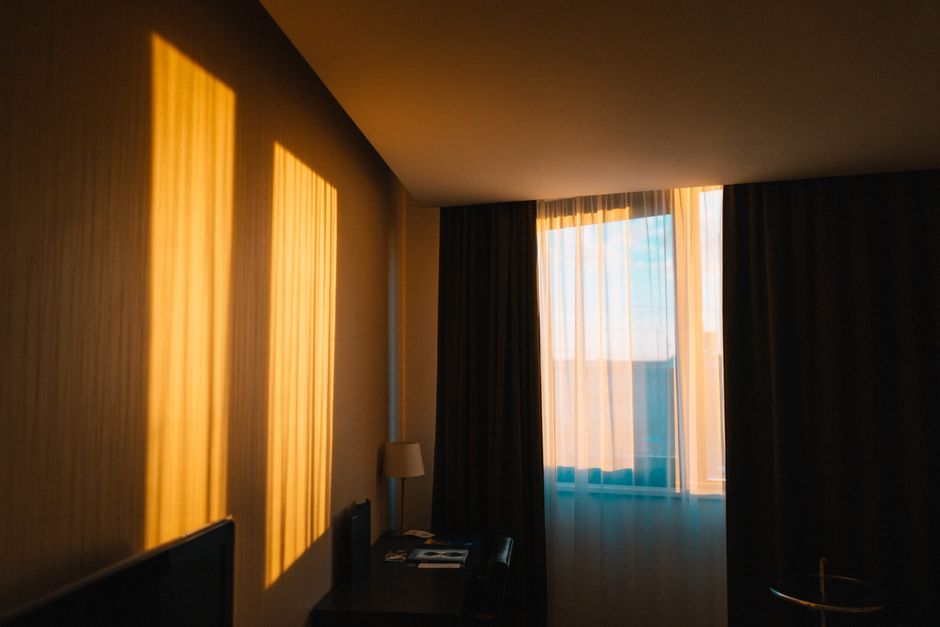
Why Curtains Matter in Hotel Restaurant Windows
Hotel restaurant windows are more than just architectural features—they are opportunities to craft ambiance, control light, manage acoustics, and reinforce brand identity. The right curtains can transform a dining space from ordinary to extraordinary, influencing guest satisfaction and even operational efficiency. This guide explores design ideas tailored to hotel restaurants, focusing on fabric types, practical considerations, and real-world applications.
___PROTECTED_1___
Key Fabric Choices for Hotel Restaurant Curtains
Blackout Curtains: Light Control and Energy Efficiency
Blackout curtains are essential for hotel restaurants that serve breakfast and dinner, as they allow precise control over natural light. They block up to 99% of external light, creating a cozy evening atmosphere or preventing glare during daytime events. Additionally, the thick fabric provides thermal insulation, reducing HVAC load and energy costs.
- Best for: Fine dining, banquet halls, and spaces with large windows.
- Care: Vacuum monthly; dry clean only to maintain lining integrity.
- Tip: Pair with sheer curtains for a layered look.
Sheer Curtains: Soft Light and Elegance
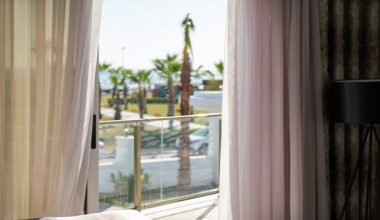
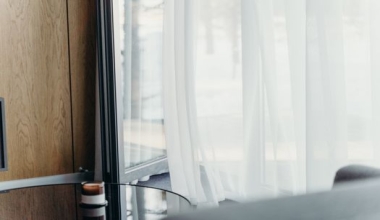
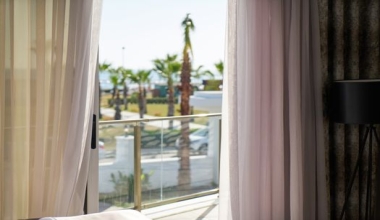
Sheer curtains diffuse sunlight, creating a soft, inviting glow that enhances daytime dining. They offer privacy without obscuring the view, making them ideal for hotel restaurants with scenic outdoor settings. In layered installations, sheers add depth and sophistication.
- Best for: Brunch spots, rooftop restaurants, and spaces with beautiful vistas.
- Care: Machine wash gentle cycle or hand wash; hang to dry.
- Tip: Use polyester sheers for easy maintenance in high-moisture areas.
Velvet Curtains: Luxury and Sound Absorption
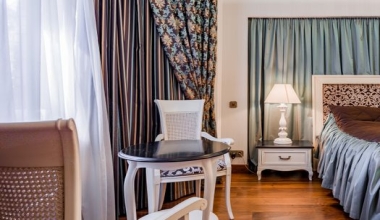
Velvet exudes opulence and warmth, perfect for high-end hotel restaurants. Its dense pile absorbs sound, reducing echo and creating a more intimate dining experience. Available in rich jewel tones or neutrals, velvet makes a bold design statement.
- Best for: Fine dining, VIP sections, and restaurants with hard surfaces.
- Care: Spot clean with dry foam; professional cleaning recommended.
- Tip: Choose heavy velvet with a cotton or synthetic backing for durability.
Acoustic Curtains: Noise Control for Busy Spaces
Acoustic curtains are engineered to reduce noise transmission, crucial for hotel restaurants near busy streets or lobbies. They combine mass-loaded vinyl with dense fabric layers, dampening sound by up to 10 decibels. These curtains also offer blackout properties.
- Best for: Ground-floor restaurants, open-plan lobbies, and event spaces.
- Care: Vacuum with soft brush; professional cleaning per manufacturer instructions.
- Tip: Combine with acoustic panels for maximum effect.
___PROTECTED_2___
Design Tips by Restaurant Style
Casual Dining & Buffets
Opt for easy-care polyester sheers or cotton blends. Use bright colors or patterns to create an energetic vibe. Shorter curtains that don't touch the floor reduce dust accumulation.
Fine Dining
Choose floor-length velvet or silk blends in dark hues like burgundy or navy. Add valances or drapes with tiebacks for an elegant drape. Ensure curtains extend beyond window frames to create a sense of grandeur.
Rooftop & Outdoor Adjacent
Sheer curtains with UV protection are ideal. Consider automated systems to adjust light throughout the day. Use weather-resistant fabrics for semi-outdoor areas.
Practical Considerations: Installation, Care, and Budget
| Factor | Recommendation |
|---|---|
| Installation | Use heavy-duty tracks or rods for blackout/velvet; ceiling mounts for acoustic curtains to avoid gaps. |
| Care | Vacuum weekly; professional cleaning quarterly for high-traffic areas. Sheers may be laundered at 30°C. |
| Budget | Sheers start at $50/panel; blackout $80–$150; velvet $100–$200; acoustic $150–$300 per panel. |
Industry Case Studies
Case 1: City Hotel Restaurant with Noise Issues
A downtown hotel installed acoustic curtains in their ground-floor restaurant. Result: Noise complaints dropped by 40%, and customer dwell time increased by 20 minutes.
Case 2: Boutique Hotel Brunch Spot
Used two layers: white sheers for daytime and charcoal blackout velvet for evening. The dual look saved 15% on energy bills and received praise on social media for its adaptable ambiance.
Conclusion
Curtain design for hotel restaurant windows is a strategic investment in guest experience and operational efficiency. By selecting the right fabrics—blackout, sheer, velvet, or acoustic—you can control light, noise, and temperature while elevating aesthetics. Always consider maintenance, installation, and style coherence. Start with a window assessment and consult a professional for large-scale projects.