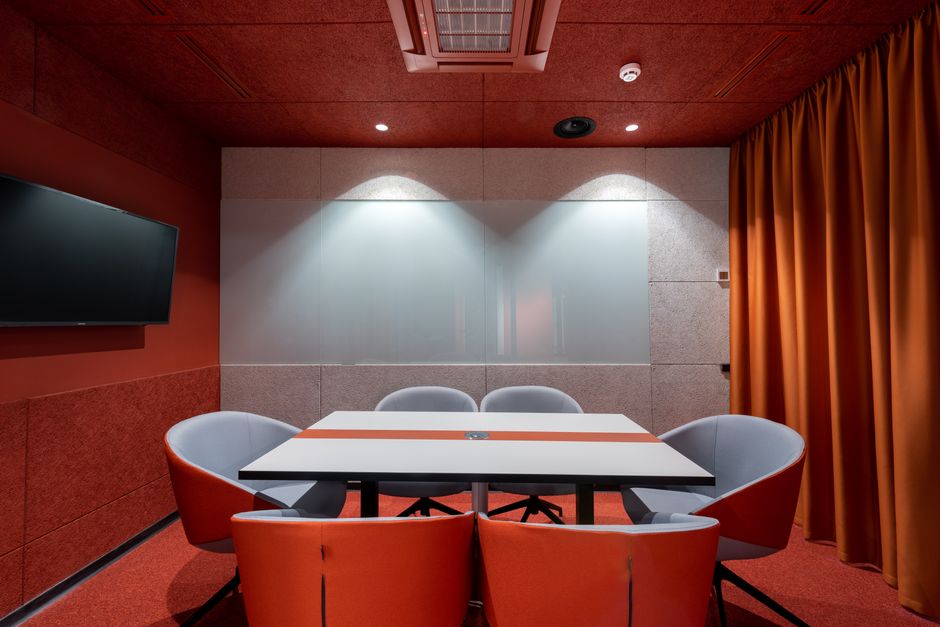
Introduction to Office Noise and Acoustic Curtains
Office noise is a common productivity killer. Open-plan layouts, hard surfaces, and constant chatter create a distracting environment. Acoustic curtains are an effective, non-permanent solution to absorb sound, reduce echo, and improve speech privacy. Unlike ordinary drapes, acoustic curtains are made from dense, multi-layer fabrics designed to dampen sound waves. This guide explores the best curtain fabrics for noise reduction, their properties, installation tips, and how to choose the right one for your workspace.
___PROTECTED_1___
How Acoustic Curtain Fabrics Work
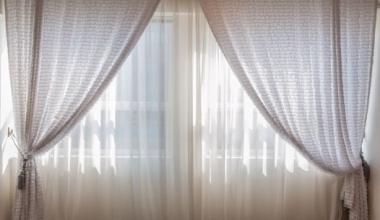
Sound absorption depends on mass, density, and texture. Acoustic curtains use heavy fabrics like velvet, suede, or specialized polyester blends. The fabric's weight and thickness trap sound energy, converting it to heat. Additionally, pleating or layering increases surface area, enhancing absorption. The Noise Reduction Coefficient (NRC) rates a fabric's ability to absorb sound; look for NRC 0.5 or higher. For maximum effect, curtains should extend floor to ceiling and be wider than the window to cover edges.
___PROTECTED_2___
Top Fabric Choices for Acoustic Curtains
| Fabric | Key Features | NRC Range | Best Use |
|---|---|---|---|
| Velvet | Plush, heavy, luxurious feel; excellent sound absorption | 0.6-0.8 | Conference rooms, executive offices |
| Polyester Blends | Durable, wrinkle-resistant, often with acoustic backing | 0.5-0.7 | Open-plan areas, cubicles |
| Cotton with Acrylic Backing | Natural look, breathable, moderate absorption | 0.4-0.6 | Reception areas, small offices |
| Wool | Fire-resistant, eco-friendly, high density | 0.7-0.9 | Theaters, recording studios |
| Felt | Made from recycled fibers, stiff, good for DIY panels | 0.5-0.8 | Acoustic panels, partitions |
Why Velvet is a Top Performer
Velvet's dense pile and heavy weight make it one of the best acoustic fabrics. It traps sound within its fibers and reduces echo significantly. For offices, consider crushed velvet or panne velvet which add texture and style. However, velvet can attract dust, so regular vacuuming is needed. Use in low-traffic areas for longevity.
Key Factors to Consider When Choosing Acoustic Curtain Fabric
Fabric Weight and Density
Weight measured in grams per square meter (GSM). Look for fabrics above 300 GSM; heavier is better. Density ensures sound waves cannot pass through easily. Multi-layer curtains with a separate liner (e.g., blackout lining) can boost acoustic performance.
Fire Safety Ratings
Offices must comply with fire codes. Choose fabrics with NFPA 701 or equivalent certification. Many acoustic curtains have a flame-retardant coating or are inherently fire-resistant (e.g., wool, modacrylic blends).
Light Control and Blackout
Some curtains combine acoustic and blackout properties. This is beneficial for rooms with projectors or screens. Blackout linings add density and improve sound absorption. However, ensure the lining does not create a resonating cavity between fabric and window.
Installation Tips for Maximum Noise Reduction
- Use a ceiling-mounted track to extend curtains from wall to wall and floor to ceiling. Gaps allow sound leakage.
- Pleat the curtains: accordion or pinch pleats add fabric density and air pockets that absorb sound.
- Layer two panels: a sheer acoustic layer closest to the window and a heavy velvet outer layer. The air gap between them enhances absorption.
- Add a valance or cornice at the top to block sound that travels over the curtain rod.
- Seal edges: use velcro or magnetic strips to attach curtain sides to walls for a tight seal.
Care and Maintenance of Acoustic Curtains
Acoustic fabrics require gentle care to maintain performance. Vacuum regularly with a soft brush attachment to remove dust. For stains, spot clean with a mild detergent and water; avoid harsh chemicals that can degrade the acoustic backing. Most acoustic curtains are dry clean only. Follow manufacturer instructions. Avoid steaming directly on the fabric as heat can affect flame retardancy.
Comparing Acoustic Curtains vs. Other Solutions
While acoustic panels and ceiling clouds offer higher NRC ratings, curtains are more flexible, cheaper, and easier to install. For offices with glass walls, curtains are ideal because they also reduce glare. Curtains with an NRC of 0.7 can rival some panels. Combine with rugs and soft furniture for holistic sound management.
Real-World Application: Office Case Study
A tech startup with an open-plan office of 50 employees faced excessive noise from phone calls and foot traffic. They installed floor-to-ceiling velvet acoustic curtains in charcoal gray along the perimeter and between workstations. The result: a 40% reduction in reverberation time (from 1.2s to 0.7s) and improved speech privacy. Employee satisfaction surveys showed a 30% increase in concentration levels. The curtains also added a modern aesthetic and reduced energy costs by insulating windows.
Conclusion
Choosing the right acoustic curtain fabric is crucial for a quieter, more productive office. velvet and heavy polyester blends lead the pack for sound absorption. Consider weight, fire safety, and installation details. With proper selection and setup, acoustic curtains can transform your workspace without major renovations. Start by measuring your space and request fabric swatches to test sound absorption in person.