Introduction: The Art of Luxury Curtain Fabrics
Luxury curtain fabrics are more than mere window coverings; they are statements of style, comfort, and functionality. From the plush richness of velvet to the airy elegance of sheer, the robust privacy of blackout to the sound-absorbing prowess of acoustic textiles, each fabric tells a unique story. This comprehensive guide explores these four categories in depth, offering buying advice, care tips, and real-world applications to inspire your next interior design project.
___PROTECTED_1___
1. Blackout Fabrics: Perfect Blend of Privacy and Light Control
What Are Blackout Curtains?
Blackout fabrics are engineered to block 95–100% of external light, creating a darkened haven ideal for bedrooms, home theaters, and nurseries. They typically feature a dense weave or a special coating (e.g., acrylic or foam backing) that minimizes light penetration and adds thermal insulation.
Buying Guide for Blackout Fabrics
- Opacity Level: Look for fabric with an opacity rating of 3 (total blackout) or 2 (room darkening). Test by holding the fabric up to a light source.
- Thermal Properties: Many blackout fabrics have a reflective backing to reduce heat gain/loss, lowering energy bills.
- Weight & Drape: Heavier fabrics (like polyester blends) hang better and reduce sound transmission, while lighter ones (cotton) are easier to clean.
- Colorfastness: Ensure the dye is lightfast to prevent fading, especially for dark colors.
Care Tips for Blackout Curtains
To maintain their light-blocking ability:
- Vacuum regularly with a brush attachment to remove dust from the backing.
- Spot clean with a mild detergent and lukewarm water; avoid machine washing unless the label permits.
- Dry on low heat or air dry to prevent shrinking or damaging the coating.
- Rotate curtains every 6 months to ensure even wear.
___PROTECTED_2___
2. Sheer Fabrics: Elegance and Airy Light Diffusion
The Allure of Sheer Curtains
Sheer fabrics—often made from linen, silk, cotton, or polyester—offer a delicate, translucent appearance that softens sunlight while preserving views. They are perfect for layering under heavier drapes or as standalone panels in living rooms and dining areas. Their lightness creates an airy, spacious feel, and they come in countless textures and weaves.
Key Factors When Buying Sheer Fabrics
- Thread Count: Higher thread count (200+) indicates finer, smoother fabric with better durability and drape.
- Material: Linen sheers are natural and textured; silk offers a lustrous shine; polyester sheers are wrinkle-resistant and budget-friendly.
- Weave Density: Loose weaves (e.g., gauze) let in more light; tighter weaves (e.g., voile) provide subtle privacy.
- Fraying Potential: Check finishing techniques—hemmed edges or French seams prevent unraveling over time.
Maintaining Sheer Curtains
Sheer fabrics are delicate. Follow these care guidelines:
- Hand wash or machine wash on gentle cycle with cold water, then air dry (or tumble dry on low no heat).
- Avoid direct sunlight long-term exposure to prevent yellowing or fiber degradation.
- Use a steamer instead of ironing to remove wrinkles without crushing the fabric.
- For silk sheers, dry clean only to maintain luster and shape.
3. Velvet Fabrics: Opulence and Texture
Why Choose Velvet Curtains?
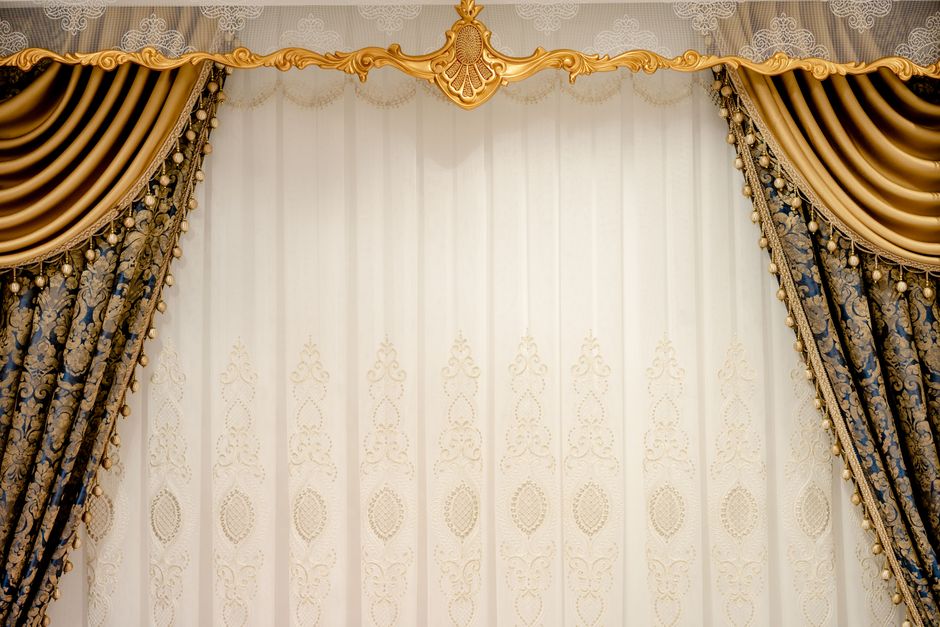
Velvet is synonymous with luxury. Its dense pile absorbs light and sound, adding depth and richness to any space. Velvet drapes beautifully in formal living rooms, master bedrooms, and dining rooms. Available in cotton, silk, or synthetic blends, velvet offers a soft hand and dramatic visual appeal.
Velvet Buying Considerations
- Pile Height: Low-pile velvet is easier to clean and less prone to crushing; high-pile (luxurious) requires careful maintenance.
- Fabric Weight: Heavyweight velvet (400–600 gsm) hangs well and insulates better than lightweight alternatives.
- Backing: A woven backing ensures durability and prevents the pile from shedding. Check for a tightly woven base.
- Burn Test (if possible): Natural fibers (cotton, silk) char and smell like hair; synthetics (polyester) melt and bubble—choose based on your fire safety needs.
Caring for Velvet Curtains
Velvet demands TLC:
- Vacuum with a soft brush attachment weekly to remove dust and prevent matting.
- Rotate the curtains occasionally to distribute wear evenly.
- Steam clean (not wet) to revive the pile—avoid rubbing, which can crush the fibers.
- For water spills, blot immediately with a clean dry cloth; never scrub.
- Professional dry cleaning is recommended once a year for silk or antique velvet.
4. Acoustic Fabrics: Sound Control and Style
The Rise of Acoustic Curtains
Acoustic fabrics are engineered to absorb sound waves, reducing echo and noise transmission. They are essential for home theaters, open-plan offices, recording studios, and restaurants. Typically made from heavy, dense materials like felt or multi-layered polyester, they combine functionality with aesthetic appeal.
What to Look for in Acoustic Curtains
- NRC (Noise Reduction Coefficient) Rating: Look for 0.70 or higher for effective sound absorption. More layers or thicker fabric increase the rating.
- STC (Sound Transmission Class) Rating: Higher STC means better blocking of sound transfer between rooms; aim for 50+ for significant reduction.
- Fabric Construction: Pleated or gathered designs trap more air and enhance absorption. Avoid thin, flat panels.
- Fire Resistance: Many acoustic fabrics meet commercial flame-retardant standards (e.g., NFPA 701). Verify for safety in public spaces.
Caring for Acoustic Curtains
Acoustic curtains are often heavy and delicate:
- Lightly vacuum with a low-suction brush to avoid damaging the backing.
- Spot clean with a damp cloth and mild cleaner, but never soak the fabric.
- Do not machine wash unless specifically stated; most require professional cleaning due to weight and special coatings.
- Shake out dust occasionally to maintain acoustic efficacy.
5. Industry Application Cases
Luxury Hotel Lobby: Velvet Blackout Combination
In upscale hotels like The Ritz-Carlton, floor-to-ceiling velvet drapes in deep burgundy create a sense of grandeur. Layered behind them, blackout liners ensure complete darkness for daytime events and provide thermal insulation. The result: a space that exudes warmth while also delivering functional comfort.
Open-Plan Office: Acoustic Sheers
Tech companies like Google incorporate acoustic curtains in open lounges. These are often made from a dense, textured sheer fabric (e.g., 100% polyester felt) that reduces ambient noise by 40–50%. The semi-transparency maintains natural light, and the fabric’s modern weave complements minimalist interiors.
Home Theater: Triple-Layered Blackout Acoustic
An audiophile’s home cinema uses a triple-layer curtain: outer blackout velvet for light control, middle acoustic felt, and inner sheer? wait no—usually it's blackout + acoustic combined. For example, combining a 1.5-inch thick acoustic blackout panel with sateen finish delivers NRC 0.90 and complete blackout. The velvet texture reduces flutter echoes, enhancing sound clarity.
6. Buying Guide: How to Choose the Right Luxury Fabric
Selecting the ideal fabric depends on your priorities:
| Factor | Consideration | Best Fabric |
|---|---|---|
| Light Control | Need total darkness? | Blackout (coated or triple-weave) |
| Sound Absorption | Reduce echo or block noise | Acoustic fabrics (high NRC/STC) |
| Aesthetic Feel | Rich, soft, or airy? | Velvet for opulence; sheer for lightness |
| Maintenance Level | Low vs high upkeep | Polyester sheers or blackout (easy care); silk velvet (high maintenance) |
| Budget | Affordable to premium | Synthetic blends (budget); natural fibers (premium) |
Always order samples before committing. Test how each fabric interacts with your room’s lighting, furniture, and window size. Consider a professional consultation for complicated window shapes or acoustic requirements.
7. Care and Maintenance Tips for Long-Lasting Curtains
- Regular Dusting: Use a vacuum with a brush attachment weekly to prevent buildup that can mar the fabric and reduce efficiency.
- Avoid Direct Sunlight: UV rays fade dyes and weaken fibers. Install UV-protective window films or rotate curtains periodically.
- Professional Cleaning: For high-end fabrics (velvet, silk, acoustic), schedule professional cleaning every 1–2 years to restore texture and hygiene.
- Inspect Hardware: Check curtain rods and rings for wear; ensure they support the fabric’s weight to prevent sagging or tearing.
- Steam Over Iron: Steaming removes wrinkles without pressing the pile or damaging coatings. Use a handheld steamer at a safe distance.
Conclusion: Elevate Your Space with Luxury Curtain Fabrics
Whether you seek privacy, elegance, warmth, or acoustic tranquility, the right curtain fabric can transform a room. From the dramatic folds of velvet to the whisper-thin grace of sheer, and the powerful silence of acoustic to the unwavering darkness of blackout, each fabric offers a unique experience. Use this guide as your foundation, and we invite you to explore our curated collection—where luxury meets functionality. Your dream window treatment awaits.