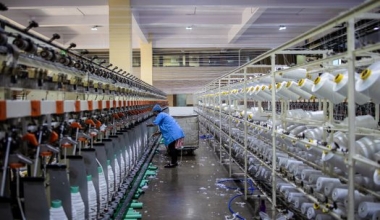
Industrial environments, particularly warehouses, are notorious for high noise levels generated by machinery, forklifts, conveyor systems, and human activity. Excessive noise not only violates occupational safety regulations but also reduces productivity, increases error rates, and leads to employee fatigue and hearing loss. Industrial acoustic curtains offer a flexible, cost-effective solution to mitigate these issues. Unlike permanent walls, these curtains can be easily deployed, moved, or stored, making them ideal for dynamic warehouse layouts. This guide explores their applications, material choices, installation best practices, and the return on investment they provide.
What Are Industrial Acoustic Curtains?
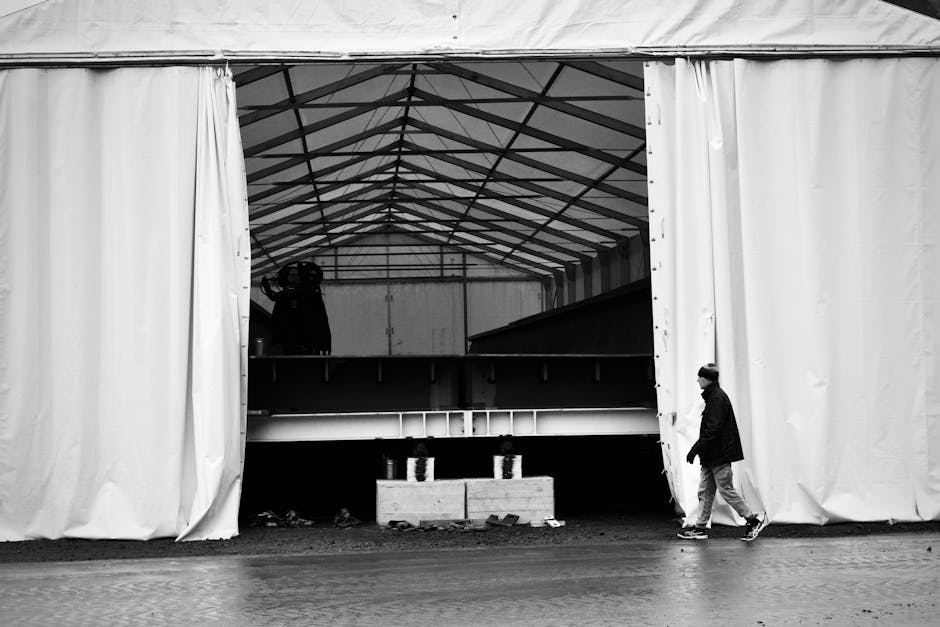
Industrial acoustic curtains are heavy-duty fabric panels designed to absorb, block, and dampen sound waves. They are typically made from mass-loaded vinyl (MLV) or dense fiberglass core with a fabric outer layer. The curtains feature grommets, tracks, or hooks for hanging and can be customized with transparent windows, zippers, or overlaps for access. Their sound transmission class (STC) rating usually ranges from 20 to 30, while noise reduction coefficients (NRC) vary between 0.6 and 0.9 depending on the material thickness and construction.
___PROTECTED_1___
Why Warehouses Need Acoustic Curtains
Warehouses face unique acoustic challenges:
- Reverberation: Hard surfaces like concrete floors, metal roofs, and bare walls cause sound to bounce, increasing overall noise levels by 5–10 dB.
- Machinery Noise: Hydraulic presses, motors, conveyors, and ventilation systems generate continuous low-frequency hums.
- Loading Docks: Truck engines, air brakes, and loading/unloading activities create impulsive noise peaks.
- Open Layouts: Without barriers, sound travels across the entire facility, disrupting communication and concentration in administrative or assembly zones.
Implementing acoustic curtains helps achieve compliance with OSHA permissible noise exposure limits (85 dB over 8 hours), improves speech intelligibility, and creates safer, more pleasant work zones.
___PROTECTED_2___
Key Applications in Warehouses
Machine Enclosures and Work Cells
Curtains can be wrapped around noisy machinery like compressors, grinders, or punch presses. A three-sided enclosure with a ceiling panel reduces noise by 10–15 dB, protecting workers in adjacent areas. Use clear vinyl windows for visibility and zipper doors for easy access.
Loading Dock Separation
Dock areas can be isolated from the main warehouse using heavy acoustic curtains. This cuts transmission of truck noise and forklift alarms. Install overlapping strips (similar to PVC strip curtains but with acoustic properties) for vehicle passage without permanent closure.
Office and Break Room Sound Barriers
Inside large warehouses, small administrative offices or break rooms suffer from noise intrusion. Acoustic curtains on a track system create a quick, non-permanent partition that absorbs sound from the warehouse side while containing internal conversations. STC 25 curtains reduce background noise by 20 dB or more.
Production Line Segregation
In multi-step manufacturing lines, curtains between stations prevent cross-noise interference. For example, a loud stamping press can be separated from a quality control inspection area. The curtains also control dust and temperature, providing dual benefits.
Material and Design Considerations
| Property | Importance | Recommendation |
|---|---|---|
| Weight | Heavier curtains block more low-frequency sound | Minimum 1 lb/sq ft for warehouse use |
| Fire Rating | Must meet local fire codes (e.g., NFPA 701) | Class A or Class 1 fire rated materials |
| STC Rating | Higher STC = better blockage | STC 25–30 for most applications |
| NRC Rating | Higher NRC = better absorption | NRC 0.7+ for controlling reverberation |
| Durability | Resistance to tearing, UV, and cleaning | Industrial-grade fabric with PVC coating |
Additionally, consider the installation hardware: heavy-duty track systems with roller glides are preferred for frequent movement; fixed brackets for permanent partitions. For openings, use magnetic seals or overlapping Velcro strips to minimize gaps—sound leaks through even small cracks.
Installation Best Practices
- Seal Perimeter Gaps: Use brush seals at the floor and walls to prevent sound flanking. Curtains should overlap edges by at least 6 inches.
- Consider Ceiling Height: Tall warehouses require curtains that extend to the ceiling or have a valance that blocks sound transmission above the curtain. Overhead noise can bypass a curtain that doesn't reach the roof deck.
- Add Absorptive Backing: For maximum noise reduction, use curtains with a quilted fiberglass absorber layer on the side facing the noise source.
- Test Placement: Use a sound level meter to identify hotspots before installation. Place curtains at least 2 feet away from walls or obstacles to allow sound absorption on both sides.
- Combine with Other Treatments: Acoustic ceiling baffles or wall panels may be needed for reverberation control alongside curtains.
Cost and Return on Investment
Industrial acoustic curtains typically cost $10–$30 per square foot installed, depending on material grade and complexity. Compared to building a permanent stud wall ($30–$60/sq ft) or using modular prefabricated panels, curtains are more economical. The ROI comes from:
- Reduced workers' compensation claims from hearing loss (avg savings $25,000 per claim).
- Increased productivity—studies show noise reduction improves task accuracy by 10–15%.
- Flexibility to reconfigure as operations change, avoiding renovation costs.
- Lower energy bills when combined with thermal insulation properties (some curtains also act as vapor barriers).
Many warehouses recoup the investment within 12–18 months.
Case Study: Logistics Warehouse in Ohio
A 200,000 sq ft distribution center had noise complaints from 30 office workers located within the main floor. Ambient noise averaged 78 dB. After installing STC 27 acoustic curtains around the office perimeter and along a busy conveyor line, noise dropped to 59 dB inside the office—a 19 dB reduction. Employee satisfaction surveys improved by 40%, and the company avoided a costly move to a separate building.
Maintenance and Longevity
Acoustic curtains require minimal maintenance. Vacuum or wipe down with mild soap and water every 6 months. Inspect grommets and tracks yearly for wear. Replace curtains only if they show heavy fraying or loss of acoustic performance (measured by STC loss). With proper care, industrial curtains last 10–15 years.
Conclusion
Industrial acoustic curtains are a versatile and practical solution for warehouse noise control. From machine enclosures to office partitions, they offer significant noise reduction without permanent structural changes. By selecting the right materials, installing carefully, and combining with other acoustic treatments, warehouse managers can create a safer, more productive environment. Assess your facility's noise map, consult with an acoustic specialist, and invest in curtains that match your specific needs—your employees and bottom line will thank you.