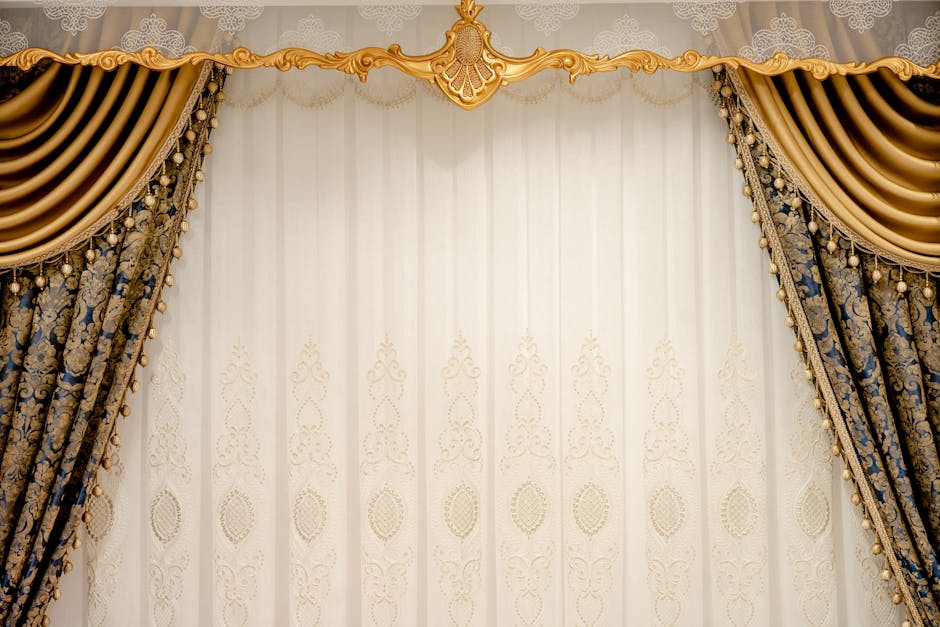
What is Curtain Fabric Density?
Curtain fabric density refers to the compactness of the weave or knit of a fabric, often measured in grams per square meter (GSM) or by thread count. In simple terms, it indicates how tightly the fibers are packed together. A high-density fabric has more threads per inch and fewer gaps, while a low-density fabric has a looser structure. This fundamental characteristic directly influences the fabric’s weight, drape, durability, and most importantly, its ability to block light.
For curtains, density is typically categorized as low (under 150 GSM), medium (150–250 GSM), or high (over 250 GSM). Blackout curtains often use dense fabrics that exceed 300 GSM, while sheer curtains fall below 100 GSM. Understanding this spectrum helps you select the right curtain for your lighting needs.
___PROTECTED_1___
How Density Impacts Light Blocking
Light blocking is primarily a function of the fabric’s ability to absorb, reflect, or scatter incoming light. Dense fabrics achieve this by minimizing the gaps between fibers. When light hits a high-density curtain, it encounters a thick barrier that prevents penetration. Conversely, low-density fabrics have large interstices that allow light to pass through easily.
However, density isn’t the only factor. The color of the fabric also plays a role – darker colors absorb more light – but density determines the physical barrier. A dense blackout fabric can block 99% of light even in lighter shades, whereas a sheer fabric, regardless of color, will always let significant light through due to its open weave. The following table illustrates typical light-blocking percentages by density range:
| Density (GSM) | Light Blocking | Common Use |
|---|---|---|
| Below 100 | 10–30% | Sheer curtains, light filtering |
| 100–200 | 30–60% | Medium-weight drapes, semi-sheer |
| 200–300 | 60–90% | Room-darkening, privacy |
| Above 300 | 90–99% | Blackout, bedrooms, media rooms |
___PROTECTED_2___
Comparing High vs Low Density Fabrics
High-Density Fabrics
- Pros: Superior light blocking, better insulation, noise reduction, more durable, luxurious drape.
- Cons: Heavier, may require stronger curtain rods, less airflow, higher cost.
Low-Density Fabrics
- Pros: Lightweight, allow natural light and ventilation, airy appearance, lower cost.
- Cons: Little to no light blocking, less privacy, may fade quickly in sunlight, minimal insulation.
When light blocking is a priority, high-density fabrics are the clear winner. However, in spaces where you want a balance of natural light and privacy, medium-density options provide a happy medium.
Types of Fabrics and Their Density
Blackout Curtains
Blackout curtains are designed specifically to block light. They typically have a density of 300–500 GSM and often include a special coating or multiple layers. The high density ensures almost no light passes through, making them ideal for bedrooms, home theaters, and nurseries. Some blackout fabrics are woven so tightly that they are also effective at reducing noise and providing thermal insulation.
Sheer Curtains
Sheer fabrics like voile, lace, or organza have a very low density, usually 50–100 GSM. Their open weave allows diffused light to enter while offering minimal privacy. Sheers are perfect for living rooms or areas where you want to soften sunlight without eliminating it. They can be paired with denser curtains for a layered effect.
Velvet Curtains
Velvet is a dense, plush fabric with a short pile. Its density ranges from 250 to 400 GSM, depending on the quality. The thick pile and tight weave make velvet excellent for light blocking, often achieving 80–95% opacity. Velvet also adds a luxurious aesthetic and good acoustic dampening. However, it is heavy and may require robust hardware.
Acoustic Curtains
Acoustic curtains are a subset of high-density fabrics, often exceeding 400 GSM. They are engineered with multiple layers (e.g., foam backing, mass-loaded vinyl) to absorb sound, but their density also makes them extremely effective light blockers. They are used in recording studios, offices, and theaters where both sound and light control are critical.
How to Choose the Right Density for Your Needs
Selecting the appropriate curtain fabric density depends on the room’s function and your light preferences. Follow these practical tips:
- Bedrooms: Choose high-density blackout curtains (300+ GSM) to ensure total darkness for quality sleep. Consider thermal lining for energy efficiency.
- Living Rooms: Opt for medium-density fabrics (150–250 GSM) if you want some natural light but need privacy. Alternatively, use a layered approach: sheers during the day and denser drapes at night.
- Home Theaters: Go for the highest density available, ideally acoustic curtains or triple-weave blackout fabrics. Aim for 99% light blockage.
- Kitchens and Bathrooms: Low-density sheers are fine for daylight, but you may want moisture-resistant medium-density options for privacy.
- Nurseries: Blackout is essential for naptime. Look for chemical-free, dense blackout fabrics (over 300 GSM).
Also consider the climate: high-density fabrics can help insulate against heat and cold, while low-density fabrics promote airflow.
Measuring Curtain Fabric Density
To assess density without a spec sheet, you can perform simple checks:
- Weight test: Hold the fabric. A dense fabric will feel heavy for its size. Compare a square meter of fabric if possible.
- Light test: Hold the fabric up to a bright light or the sun. The less light you see through, the higher the density.
- Weave check: Examine the weave under a magnifying glass – tight weaves indicate high density. Count the threads per inch (TPI); 100+ threads per inch is high density for curtains.
- Manufacturer data: Look for GSM or ounces per square yard (1 oz/yd² ≈ 33.9 g/m²) on product tags or descriptions.
Density vs Other Factors
While density is critical, it is not the sole determinant of light blocking. Other factors include:
- Color: Darker colors absorb more light, so a dense black fabric blocks more than a white one of the same density.
- Layering: Using two layers of medium-density fabric can achieve the same effect as a single high-density fabric, with added versatility.
- Lining: A dense blackout lining (like foam-backed fabric) can turn a low-density curtain into an effective light blocker.
- Mounting: Even the densest curtain will leak light if not properly mounted (e.g., gaps at the top or sides). Use a track system or wrap-around rods to minimize light leakage.
- Weave vs knit: Woven fabrics generally have fewer gaps than knitted ones at the same density. Twill and satin weaves are tighter than plain weaves.
Therefore, for maximum light blocking, combine high-density fabric with a dark color, proper lining, and correct installation.
Conclusion
curtain fabric density is a key factor in achieving the desired level of light blocking. From airy sheers to impenetrable blackout fabrics, density dictates how much light enters your space. By understanding GSM ratings, fabric types, and practical considerations like color and layering, you can confidently select curtains that meet your needs. Whether you’re designing a cozy bedroom, a functional home theater, or a bright living area, prioritizing the right density ensures comfort, privacy, and energy savings. Next time you shop for curtains, check the density – it’s the first step to perfect light control.