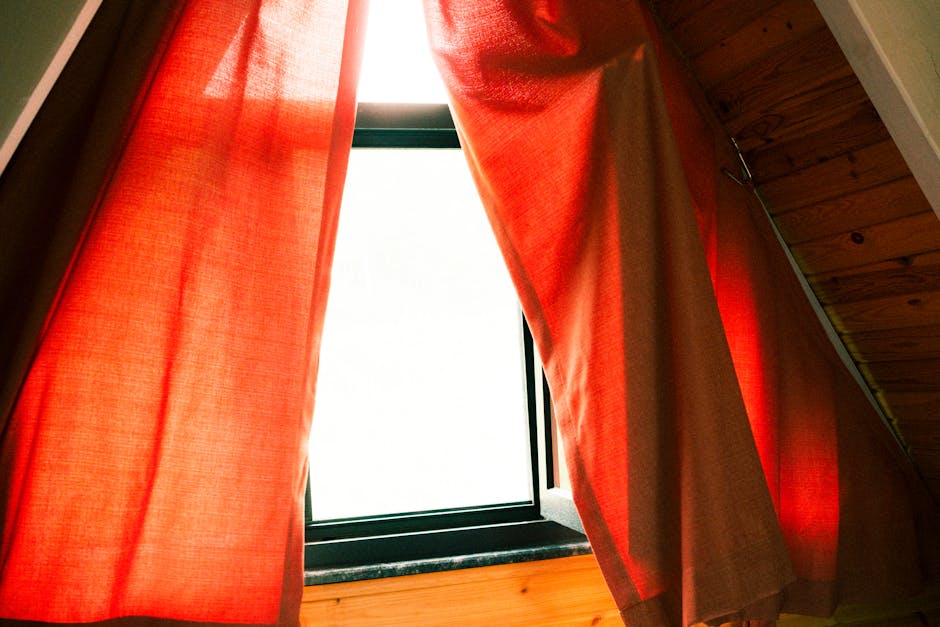
Why Velvet Curtains Fade
Velvet curtains add a touch of luxury and warmth to any room, but their rich color can be vulnerable to fading over time. Understanding why this happens is the first step in prevention. The primary culprit is ultraviolet (UV) radiation from sunlight, which breaks down the chemical bonds in dye molecules, causing colors to lighten or change. Additionally, environmental factors such as heat, humidity, air pollution, and even certain cleaning agents can accelerate fading. The type of fiber (natural silk, cotton, or synthetic polyester) and the quality of the dye also play a role. Natural fibers may fade faster than synthetics, but the construction and finish of the fabric matter too.
___PROTECTED_1___
Choosing Fade-Resistant Velvet Fabrics
Prevention starts at the selection stage. When shopping for velvet curtain fabric, look for qualities that enhance colorfastness:
- Solution-dyed fibers: Color is added during the liquid polymer stage, making it more resistant to UV and washing. Polyester and acrylic velvets often use this method.
- High-quality dyes: Vat dyes and fiber-reactive dyes bind closely with fibers, reducing fading.
- UV-protective finishes: Some fabrics come with a built-in UV inhibitor or coating.
- Darker shades: Light colors show fading more readily, but all shades benefit from protective measures.
Request fabric samples and test them by exposing a small portion to direct sunlight for a few days. If you notice significant fading, choose alternative fabrics with better resistance.
___PROTECTED_2___
The Importance of UV-Protective Window Treatments
Even the best velvet will fade without proper window treatments. Layering is your strongest defense:
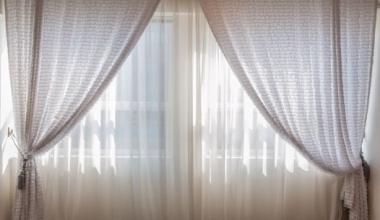
- Sheer curtains or blinds: Place a sheer or light-filtering curtain behind the velvet to block up to 50% of UV rays while diffusing light.
- Blackout linings: Attach a blackout lining to the back of your velvet curtains. This not only blocks UV completely but also adds insulation and light control.
- Solar shades or films: Install solar shades on the window pane itself. These can block 99% of UV without darkening the room excessively.
- Exterior awnings: If possible, use an external shade like an awning to intercept sunlight before it reaches the window.
A combination of interior and exterior layers provides maximum longevity for your velvet.
Best Practices for Cleaning and Maintenance to Prevent Fading
Incorrect cleaning can strip dyes and accelerate fading. Follow these guidelines:
- Vacuum regularly: Use a soft brush attachment to remove dust and dirt that can attract UV and cause discoloration. Do this weekly.
- Spot clean only: For stains, blot immediately with a clean cloth. Use a mild detergent diluted in water, but first test on an inconspicuous area.
- Avoid harsh chemicals: Bleach, ammonia, and strong solvents will damage the dye. Stick to gentle, pH-neutral cleaners.
- Dry cleaning: Most velvet curtains benefit from professional dry cleaning every 1–2 years. Inform the cleaner about the fabric type and any fading concerns.
- No direct heat: Do not iron velvet; use a steamer at a distance. Direct heat can “cook” the dye and cause fading.
Advanced Protection: UV-Blocking Films and Coatings
For additional defense, consider these options:
- Window films: Apply a clear UV-blocking film to the glass. These films block up to 99% of UV while maintaining visibility. They are cost-effective and easy to install.
- Fabric protectant sprays: Some products are designed to add a UV protectant layer to fabric. Choose one that is colorless and safe for velvet. Reapply after cleaning.
- Acrylic UV stabilizers: If you are having custom curtains made, ask about adding a UV stabilizer to the fabric finish. This is often done in commercial settings.
Rotating and Repositioning Your Velvet Curtains
Even exposure is key to even fading. If your curtains are long enough, rotate them every few months—swap the panel on the left with the right, or flip them upside down (if the manufacturer allows, as some have directional pile). Alternatively, draw the curtains at different times of day to ensure all areas receive similar light. This simple practice can prolong the uniform appearance of the color.
When to Seek Professional Help
If fading has already occurred, consult a restoration specialist. They may be able to re-dye the fabric using a process that matches the original color. Note that this is not always perfect, especially for multicolored or patterned velvet. Professional re-dyeing works best for solid colors. Additionally, if the fading is due to structural damage (e.g., sun rot), replacement may be the only option. Regular maintenance and early intervention are less expensive and more sustainable.
Conclusion
Preventing velvet curtain fading requires a multifaceted approach: choosing the right fabric, investing in UV-blocking window treatments, adopting careful cleaning routines, and protecting against environmental damage. By following these strategies, you can preserve the deep, vibrant colors of your Velvet Curtains for years. For expert advice or to explore fade-resistant velvet options, contact our team today.