Curtains are more than just window coverings; they define the ambiance of a room. But nothing ruins their beauty faster than fading—those uneven, washed-out patches that make even premium fabrics look tired. Whether you have blackout curtains for a bedroom, sheer panels in a sunroom, or velvet drapes in a living area, fading is a common enemy. This comprehensive guide will walk you through the science behind curtain fading, proactive measures, fabric choices, and maintenance routines to keep your curtains vibrant for years. Let's dive in.
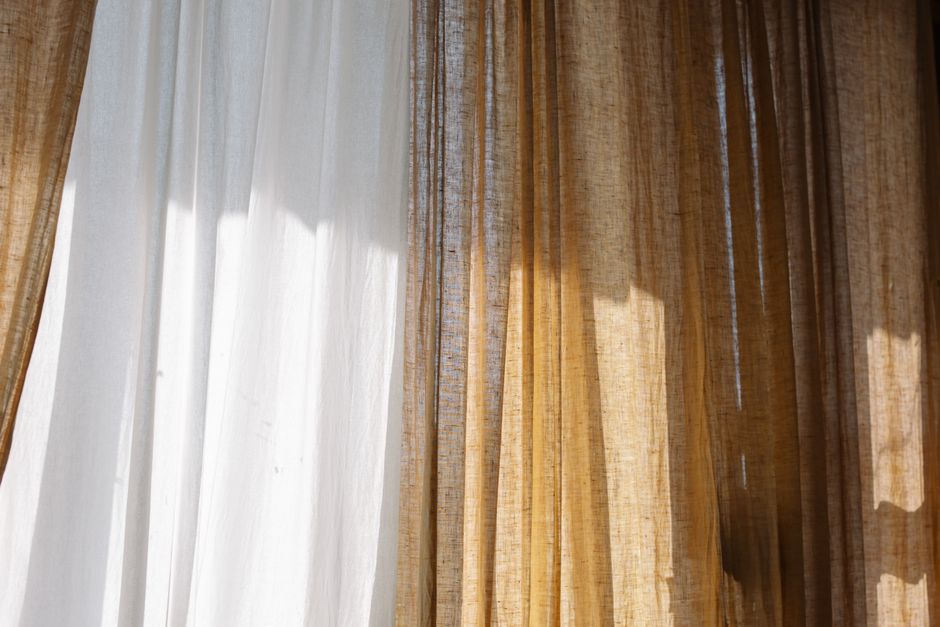
Understanding the Causes of Curtain Fading
Fading occurs when the dyes in fabric break down under certain environmental factors. The primary culprit is ultraviolet (UV) radiation from sunlight. UV rays have high energy that can break chemical bonds in dye molecules, causing color loss. However, fading isn't solely about the sun—other factors accelerate the process:
- Direct Sunlight Exposure: South- and west-facing windows receive the most intense sunlight.
- Heat and Humidity: High temperatures and moisture can weaken fibers and fade dyes faster.
- Air Pollutants: Ozone, sulfur dioxide, and nitrogen oxides from traffic or industrial sources can react with dyes.
- Fabric Type: Natural fibers like cotton and linen fade more quickly than synthetics like polyester.
- Dye Quality: Lower-quality dyes are less lightfast (resistant to fading).
Knowing these factors helps you choose the right prevention strategy.
___PROTECTED_1___
Choosing Fade-Resistant Fabrics
Not all curtain fabrics are created equal when it comes to fading. Here's a quick comparison:
| Fabric | Fade Resistance | Best Use |
|---|---|---|
| Polyester (Blackout) | High | Bedrooms, living rooms |
| Velvet (Synthetic) | Medium-High | Formal spaces, theaters |
| Cotton | Low | Casual, low-light rooms |
| Linen | Low-Medium | Breezy, shaded areas |
| Acoustic Curtains | Medium-High | Studios, offices |
| Sheer (Polyester) | Medium | Layering, diffused light |
For maximum fade prevention, opt for solution-dyed polyester or acrylic blends. These have color infused into the fiber, not just coated on the surface. Blackout curtains often have a special coating that also blocks UV rays, but the fabric itself should be UV-resistant.
___PROTECTED_2___
Top 10 Practical Tips to Prevent Curtain Fading
1. Install UV-Blocking Window Film
A clear film applied directly to the glass can block up to 99% of UV rays while still letting in natural light. It’s an invisible shield that protects your curtains, furniture, and flooring.
2. Use Curtain Linings
A lining (white or light-colored) reflects sunlight away from the main fabric. Especially effective for blackout curtains, a lining also adds insulation and a polished look. Choose a lining with UV protection.
3. Rotate Your Curtains
If possible, swap curtain panels every few months so that the side facing the sun gets even exposure. This distributes any fading evenly, preventing ugly streaks.
4. Keep Curtains Away from Windows
Mount curtain rods wider than the window frame so that when open, the fabric doesn’t bunch up against the glass. This reduces constant sun exposure on one spot.
5. Add Sheer Curtains as a First Layer
Sheer curtains act as a filter, blocking some UV rays before they hit your main drapes. They also soften the light. Use a white or light-colored sheer for best reflection.
6. Close Curtains During Peak Sun Hours
Between 10 a.m. and 4 p.m., the sun is strongest. If you're not home, use timer-controlled blinds or smart home systems to automatically close curtains.
7. Apply UV-Protective Spray
Fabric sprays with UV inhibitors are available for curtains. They add a protective layer that absorbs or reflects UV rays. Reapply after cleaning.
8. Choose Light Colored Curtains
Darker colors absorb light, becoming hotter and more prone to fading. Light colors (white, cream, pastels) reflect sunlight and stay cooler.
9. Avoid Direct Heat Sources
Keep curtains away from radiators, heaters, or air conditioning vents. Heat accelerates chemical reactions in dyes.
10. Regular Dusting and Vacuuming
Dust and dirt can hold moisture and pollutants that cause fading. Gently vacuum curtains with a brush attachment every two weeks.
The Role of Curtain Linings and Backings
Linings are your curtain’s best friend. A high-quality lining does more than just prevent fading; it adds weight, improves drape, and provides insulation. For blackout curtains, the lining is often a thick foam or acrylic coating that blocks all light—and UV rays. But even for non-blackout drapes, a simple cotton or polyester lining can cut UV exposure by 50% or more. Consider a white or reflective lining to bounce light away. If you sew your own curtains, choose a lining with a UV rating (UPF 50+ recommended). For acoustic curtains, the lining also helps soundproofing.
Cleaning and Maintenance to Reduce Fading
Improper cleaning can accelerate fading. Follow these guidelines:
- Check the Care Label: Always follow manufacturer instructions. Many blackout and velvet curtains are dry-clean only.
- Use Cold Water: Hot water can loosen dyes and cause fading. Wash in cold water on a gentle cycle.
- Avoid Bleach and Harsh Detergents: Chlorine bleach is a fading disaster. Use mild, color-safe detergents.
- Skip the Dryer: High heat fades fabric. Hang curtains to dry in the shade—never in direct sunlight.
- Iron on Low: If needed, iron while still slightly damp on the reverse side to avoid damaging the front colors.
Expert Recommendations for Long-Lasting Curtains
Industry professionals suggest a multi-layered approach. For rooms with intense sunlight, combine a UV window film, a sheer layer, and a fully lined blackout curtain. Consider motorized systems that adjust throughout the day. When buying new curtains, ask for lightfastness ratings (ISO 105-B02). Many premium brands offer fade warranties. Finally, test a small hidden area before applying any spray or treatment.
Conclusion
Preventing curtain fading is a blend of smart shopping, proactive home adjustments, and careful maintenance. By understanding why fabrics fade, choosing the right materials, and implementing practical tips like UV film, linings, and rotation, you can enjoy vibrant curtains for many years. Start with one or two changes—perhaps a UV-blocking film or a simple lining—and you'll notice the difference. Your curtains deserve to stay beautiful; give them the protection they need.