Why Accurate Measurement Matters for Blackout Curtains
Proper measurement is the cornerstone of achieving total light blockage and a polished look with blackout curtains. Unlike decorative sheers, blackout fabrics are designed to seal out light—but only if they fit correctly. Gaps at the top, sides, or bottom allow light leaks that defeat the purpose. Measuring accurately ensures your curtains hang properly, maximize privacy, and insulate your room effectively. This guide walks you through every step, from gathering tools to accounting for stackback and overlap.
___PROTECTED_1___
Tools You’ll Need
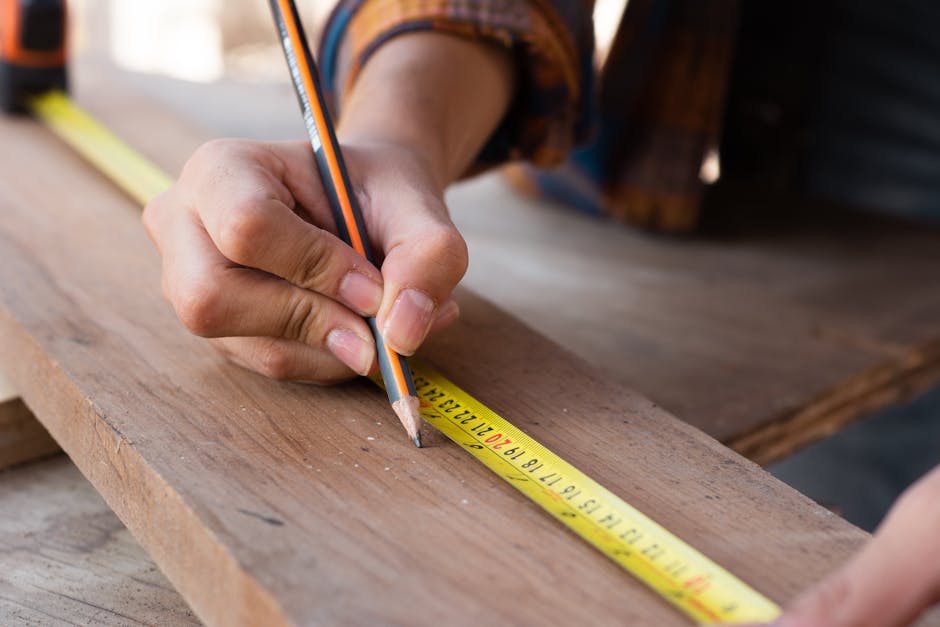
- Steel measuring tape (fabric tapes can stretch)
- Pencil and notepad or a smartphone for notes
- Step ladder for high windows
- Level (optional, for outside mount adjustments)
- Calculator for width/height adjustments
Write down all measurements in inches or centimeters—stick to one unit to avoid errors.
___PROTECTED_2___
Understanding Inside vs. Outside Mount
Before measuring, decide whether to mount the curtain rod inside the window frame (inside mount) or outside on the wall (outside mount).
Inside Mount
The curtain sits within the window recess, offering a clean, built-in look. It requires precise width and depth measurements. Typical blackout curtains need at least 1.5–2 inches of depth in the frame to accommodate the rod and fabric.
Outside Mount
The rod is installed above and wider than the window. This method is more forgiving and often preferred for blackout curtains because it covers more area, reducing side light leaks. It also can make a window appear larger.
Step-by-Step Measurement Guide
1. Measure the Window Width
For inside mount: Measure the exact width of the window opening at three points: top, middle, and bottom. Use the narrowest measurement. Subtract ¼ inch from each side (½ inch total) to allow for the curtain to slide without binding.
For outside mount: Measure the window width and add extra to each side. A common rule is to add 6–12 inches total (3–6 inches per side) so the curtains extend past the frame. This is crucial for blackout curtains to seal out light from the edges.
2. Measure the Curtain Length
Decide where the curtains will end: at the sill (for sinks/radiators), below the sill (1–2 inches below), or floor length (touching or hovering ½ inch above the floor).
For inside mount: Measure from the top of the inside frame to your desired finish point.
For outside mount: Measure from the top of the rod placement (usually 4–6 inches above the window frame) down to the desired length. Floor-length curtains often look best when they just kiss the floor.
Standard Curtain Sizes (Width × Length) for Reference
| Panel Width | Typical Lengths | Best For |
|---|---|---|
| 42 inches | 45, 54, 63, 84, 96 inches | Single small window |
| 52 inches | 63, 84, 96, 108 inches | Standard double window |
| 72 inches | 84, 96, 108 inches | Sliding doors or large windows |
Note: Blackout panels are often sold in these standard sizes. If your measurements fall between sizes, always round up. Extra width can be gathered for fullness, but too short panels create light gaps.
Calculating Curtain Width: The Fullness Factor
For blackout curtains to close completely and block light, you need sufficient fabric to cover the entire window plus stackback. The general rule: the total curtain width should be 2 to 2.5 times the width of the area you’re covering. For example, a 60-inch outside mount area should have curtains with a combined width of 120–150 inches. This allows for pleats and proper overlap when closed.
If buying multiple panels, divide the total width by the number of panels. Each panel should overlap by at least 2–3 inches at the center for a light-tight seal.
Accounting for Stackback
Stackback is the space the curtains occupy when fully opened. For blackout curtains that slide on a rod, measure the window width plus the depth of the fabric on each side. A typical stackback is 10–15% of the window width. For outside mount, plan for rod extensions that allow the panels to clear the window glass entirely.
Measuring for Special Scenarios
Sliding Glass Doors
Use an outside mount. Measure the entire door frame width and add 8–12 inches extra per side. Length should extend to the floor plus ½ inch clearance. A single panel may be 100–120 inches wide.
Bay Windows
Measure each window separately. For corner connections, use a flexible rod or custom cuts. Inside mount is common but ensure enough depth for hardware.
Arched Windows
For blackout, use a custom Roman shade or an outside mount curtain that hangs straight below the arch. Measure the straight width at the widest point and length from the rod to sill.
Common Measurement Mistakes to Avoid
- Using only one width measurement – windows are rarely perfectly square.
- Forgetting about the rod diameter – too thin a rod can sag under heavy blackout fabric.
- Ignoring floor clearance – curtains that drag can gather dirt and become a hazard.
- Not accounting for fabric shrinkage – some blackout linings may shrink after washing. Pre-shrink or buy longer.
- Assuming “standard” sizes fit – always measure your specific window.
Practical Tips for a Perfect Fit
- Install the rod as close to the ceiling as possible (4–6 inches above the frame) to elongate the room and minimize top light leaks.
- Choose a rod with at least 2–3 inches of projection from the wall to allow room for the blackout backing and to prevent light from seeping around the sides.
- Use a level when marking rod brackets for outside mount to ensure even hanging.
- If you plan to layer curtains, measure for both sets separately.
- For maximum blackout, add a valance or cornice to hide the rod top.
Final Words: Test Before You Drill
Before committing to holes, use painter’s tape to mark the rod position and hang a bedsheet temporarily. This visual check confirms your measurements and helps you see how much light leaks. Adjust as needed. Accurate measuring is a small investment of time that saves you from returns, frustration, and unwanted morning light. Now you’re ready to order or make perfect blackout curtains for any room.