When it comes to recording studios, achieving pristine audio quality is paramount. While acoustic panels, bass traps, and diffusers are well-known, one often overlooked tool is the humble curtain. The best acoustic curtains for your recording studio can dramatically reduce echo, control reverberation, and even provide some sound isolation, all while adding a professional aesthetic. In this comprehensive guide, we'll explore how to choose the perfect acoustic curtains, what fabrics work best, and how to use them effectively in your studio.
Why Acoustic Curtains Matter in a Recording Studio
Recording studios are designed to control sound reflections. Hard surfaces like glass, drywall, and wood create flutter echoes and standing waves that muddy recordings. Acoustic curtains absorb sound energy, converting it into a small amount of heat, thereby reducing the reverberation time (RT60). They also help with soundproofing by adding mass and dampening vibrations, though curtain alone cannot fully isolate a room. However, when combined with other treatments, they can make a significant difference in the clarity of vocals, instruments, and overall mix.
___PROTECTED_1___
Key Factors to Consider When Choosing Acoustic Curtains
Noise Reduction Coefficient (NRC) and Sound Transmission Class (STC)
The NRC rating (from 0 to 1) indicates how much sound a material absorbs. For recording studios, look for curtains with an NRC of 0.5 or higher. The STC rating measures sound transmission loss through the barrier; for curtains, it's usually low (10-15) but can help with flanking noise. Focus on NRC for absorption.
Fabric Weight and Density
Heavier fabrics (e.g., 300-500 gsm or higher) absorb more low-frequency sound. Triple-layer construction with a dense core is ideal. Lighter sheers may only absorb high frequencies.
Panel Thickness and Construction
Thicker panels (e.g., 6mm to 12mm) provide better absorption. Look for curtains with a core of acoustic polyester felt or cotton batting, sandwiched between decorative outer layers.
___PROTECTED_2___
Top Fabric Types for Recording Studios
Velvet Acoustic Curtains
Velvet's plush pile creates a dense, soft surface that excels at absorbing mid-to-high frequencies. It also adds a luxurious look to control rooms. However, velvet can be heavy and requires careful installation to avoid sagging.
Blackout Acoustic Curtains
Blackout curtains often come with a triple-weave design and a thick inner layer. They serve dual purpose: blocking light (essential for video recording) and absorbing sound. Look for models with an acoustic rating, not just generic blackout.
Sheer Acoustic Curtains
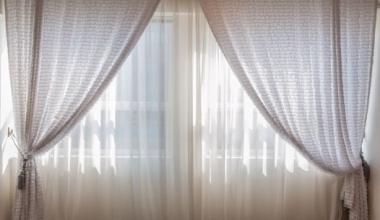
Sheer fabrics have limited absorption but can be layered over blackout curtains for aesthetics or placed in front of windows to reduce high-frequency flutter without darkening the room entirely. Not recommended as primary treatment.
Multi-Layer Combinations
The best solution is often a custom combination: a heavy velvet or wool outer layer, a dense acoustic batting middle, and a blackout liner. This provides broadband absorption and light control.
Best Acoustic Curtains for Recording Studio – Our Top Recommendations
| Product Name | Key Features | NRC Rating | Price Range (per panel) |
|---|---|---|---|
| Audimute Sound Absorbing Curtains | Polyester-cotton blend, 6mm thick, grommet top | 0.70 | $85-$120 |
| VocalBoothToGo AcoustiCurtain | Triple-layer velvet, 12mm, floor-to-ceiling | 0.85 | $150-$200 |
| Sound Silencer Premium Studio Curtain | Blackout + acoustic felt core, 8mm | 0.65 | $100-$150 |
| RoomMide Heavy-Duty Acoustic Drapes | Velvet outer, 10mm thick, thermal/acoustic | 0.78 | $130-$170 |
Installation Tips for Maximum Acoustic Performance
- Floor-to-ceiling coverage: Install the curtain rail just below the ceiling and let the fabric touch or puddle on the floor to avoid sound leakage.
- Generous fullness: Use 1.5 to 2 times the track width in fabric – more folds = more surface area = better absorption.
- Multiple layers: Hang two tracks with different fabrics (velvet + blackout) for adjustable absorption.
- Corner placement: Position curtains in room corners to trap bass frequencies.
- Avoid gaps: Use overlapping panels and perhaps a valance at the top to seal gaps.
Care and Maintenance of Acoustic Curtains
To maintain performance, vacuum curtains gently with a brush attachment weekly. Avoid washing unless absolutely necessary; instead, spot clean with mild detergent. For deep cleaning, dry clean only (wet washing can shrink or damage the acoustic core). Check for sagging annually and re-hang if needed.
Industry Application Cases
Home Project Studio
A home studio owner used heavy blackout acoustic curtains to treat a rectangular bedroom. By covering two opposite walls with floor-to-ceiling drapes, they reduced reverb time from 0.9s to 0.3s, making vocal recordings crisp and dry.
Professional Recording Facility
A commercial control room integrated custom velvet acoustic curtains on a ceiling track that could be drawn across the glass window between control and live rooms. This provided controllable absorption when needed and preserved the visual connection.
Podcast Studio
A podcast studio with multiple microphones used layered sheer+blackout curtains to cut down cross-talk and echo, while maintaining a bright, open atmosphere for video podcasts.
Buying Guide – What to Look For
- Fire resistance: Many recording studios require fire-rated fabrics; check for certification.
- Custom sizing: Off-the-shelf curtains rarely fit perfectly; order custom widths and lengths.
- Hardware: Heavy curtains need sturdy tracks with wall anchors; consider I-beam tracks for industrial look.
- Return policy: Some companies offer fabric samples; test a small swatch for sound absorption by holding it near your ear in a quiet room.
Frequently Asked Questions
Can acoustic curtains replace acoustic panels?
No, but they complement panels. Curtains are better for covering large areas like windows or entire walls; panels target specific reflection points.
How many curtains do I need for a 10x12 room?
For moderate treatment, two floor-to-ceiling panels (4ft wide each) on one long wall, plus one on the opposite wall. More is better but avoid over-damping (room should not feel dead).
Are blackout curtains automatically acoustic?
No. Many blackout curtains use foam or reflective materials that absorb little sound. Always check NRC ratings.
Conclusion
Choosing the best acoustic curtains for your recording studio involves balancing absorption performance, fabric type, and aesthetic preference. Whether you opt for sumptuous velvet, practical blackout, or a multi-layer system, invest in quality materials with verified NRC ratings. Combine with proper installation and you'll notice a cleaner, more professional sound in your recordings. Start experimenting with samples today and transform your studio into an acoustic haven.