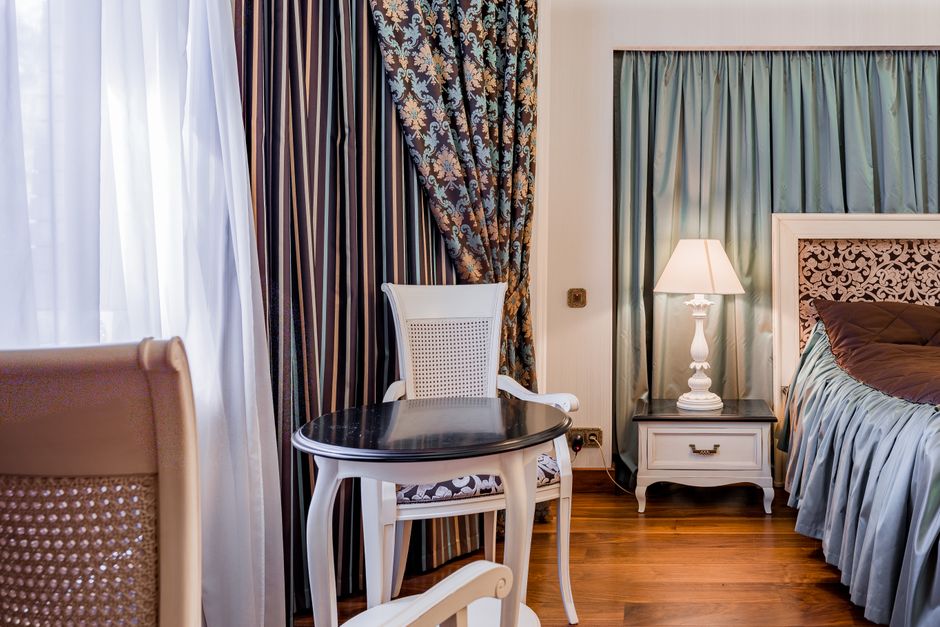
Introduction: The Evolving Role of Hotel Curtains in 2027
Hotel curtains are no longer just decorative window coverings. As we look toward 2027, they have become vital components of guest experience, energy efficiency, sustainability, and even health and wellness. The modern traveler expects comfort, privacy, control, and a sense of style that aligns with their personal values. For hoteliers and interior designers, staying ahead of curtain trends is essential to remain competitive and relevant. This in-depth guide explores the top hotel curtain trends set to define 2027, offering practical insights and actionable tips for selecting the right fabrics, including blackout, sheer, velvet, and acoustic curtains, to elevate your property.
___PROTECTED_1___
Trend 1: Smart and Automated Curtains for Guest Comfort
In 2027, smart technology is no longer a luxury but a standard expectation in premium hospitality. Motorized curtains that can be controlled via bedside panels, remote controls, or voice commands are becoming the norm. These systems offer guests effortless control over natural light, privacy, and temperature at the touch of a button.
Smart curtains also integrate with room automation systems, allowing for wake-up light routines, energy-saving schedules, and even personalized settings based on guest profiles. For hoteliers, automated curtains reduce wear and tear, as consistent operation prevents uneven pulling or damage. They also contribute to energy efficiency by automatically closing during peak sun hours to reduce cooling loads.
- Invest in quiet motorized systems to avoid disturbing guests.
- Pair with blackout linings for optimal sleep quality.
- Offer manual override options for tech-averse guests.
- Use sensors to adjust curtains based on sunlight and temperature.
___PROTECTED_2___
Trend 2: Sustainable and Eco-Friendly Fabrics
Sustainability has moved from a niche concern to a critical purchasing criterion for both hotels and their guests. In 2027, the demand for eco-friendly curtain fabrics is soaring. Hotels are opting for materials made from recycled fibers, organic cotton, bamboo, hemp, or post-consumer plastic bottles transformed into polyester. Additionally, fabrics with eco-certifications like OEKO-TEX, GOTS, or Greenguard are preferred.
Crucially, sustainable curtains do not compromise on performance. Innovations in textile engineering ensure that recycled blackout fabrics still block 99% of light, while sheer curtains made from recycled fibers remain lightweight and elegant. Velvet, traditionally a synthetic-heavy fabric, is now available in recycled variants with a luxurious hand-feel.
Practical tip: Look for curtains with a long lifecycle and recyclability at the end of use. Some manufacturers offer take-back programs or circular design principles that allow fabrics to be repurposed, reducing landfill waste.
Trend 3: Acoustic Curtains for Noise Reduction
Noise pollution is a significant factor in guest satisfaction. In bustling urban hotels or properties near highways, airports, or nightlife, noise can disrupt sleep and leave guests feeling dissatisfied. Acoustic curtains, designed to absorb sound waves, are emerging as a top trend for 2027.
These curtains are typically made from heavy, dense fabrics like velvet or specialized acoustic materials with a high mass per square meter. They work by absorbing sound and reducing echo, improving the overall acoustic atmosphere of the room. For hoteliers, acoustic curtains are an effective and cost-efficient complement to double-glazed windows.
When selecting acoustic curtains, consider the Noise Reduction Coefficient (NRC) rating. A higher NRC indicates better sound absorption. Also, pair them with blackout linings to add an extra layer of acoustic insulation and light control.
| Fabric Type | Noise Reduction | Light Blocking | Ideal Use |
|---|---|---|---|
| Velvet | High | Medium to high | Luxury suites, theaters, lounges |
| Acoustic speciality | Very high | High | Rooms facing noise sources |
| Blackout (coated) | Medium | Very high | All hotel rooms, especially for night shifts |
| Sheer | Low | Low | Daytime privacy with natural light |
Trend 4: Biophilic Design and Natural Aesthetics
Biophilic design, which connects guests with nature, is a powerful trend in hospitality. In 2027, interior designers are turning to natural, organic curtains that evoke calm and relaxation. Earthy tones like sage green, warm terracotta, sand, and muted ochre are favored over stark neutrals. Textures that mimic natural materials—like ripplefold linen, woven grasses, or organic cotton weaves—are highly sought after.
Natural light is a core element of biophilic design, but for hotels, blackout capability is still essential. Thus, hybrid approaches are common: layering sheer, natural-fiber curtains with blackout backings or separate blackout panels. This allows guests to enjoy filtered daylight while still having the option for complete darkness.
Practical tip: Choose fabrics with a rough, organic hand feel that invite touch. Avoid overly synthetic sheens, and opt for dyes made from natural pigments to enhance the eco-friendly image.
Trend 5: Layering Sheer and Blackout for Versatility
Layered window treatments have long been a staple, but in 2027 they are becoming more sophisticated. The combination of sheer and blackout curtains offers ultimate flexibility for guests, allowing them to adjust light and privacy without completely shutting out the outside world.
Sheer curtains are no longer just for decoration; advanced sheers now feature improved UV filtering and moderate thermal insulation. Blackout curtains are also reimagined with better thermal and acoustic properties. Together, they create a system that suits every mood and time of day.
- Use sheer curtains during the day for soft daylight and privacy.
- Add a blackout layer for television viewing, daytime sleep, or evening privacy.
- Play with layering textures and colors to add depth to the room.
- Consider a double rod or motorized track for seamless operation.
Trend 6: Velvet and Rich Textures for Luxury
Luxury in hotels is defined by tactile and visual richness. Velvet curtains are experiencing a renaissance, as they confer instant opulence and a sense of being wrapped in comfort. In 2027, we see velvet being used not just in five-star suites but also in boutique hotels and upscale lifestyle properties.
Modern velvet is more durable than its historical counterpart. Performance velvets made from blended fibers resist staining, fading, and crushing. They also provide excellent acoustic insulation. However, velvet can be heavy and requires sturdy curtain rods and proper maintenance.
When choosing velvet, consider its pile direction — the way the nap faces affects color depth. Always specify a flame-retardant finish for safety standards. Also, pair velvet curtains with sheer liners for a delicate balance between drama and airiness.
Trend 7: Health and Hygiene: Antimicrobial and Easy-Care Fabrics
The post-pandemic world has heightened awareness of hygiene, and hotel curtains are no exception. In 2027, antimicrobial curtain fabrics that inhibit the growth of bacteria, mold, and viruses are a key trend. These fabrics often use silver ion technology or naturally antimicrobial fibers like bamboo.
Additionally, easy-care fabrics that resist stains and are washable at high temperatures without losing quality are essential for housekeeping efficiency. Hotels are increasingly choosing curtains that can be removed and laundered easily, shortening turnaround time and ensuring a fresh experience for every guest.
Practical tip: Check if the fabric is treated against dust mites and allergens, which is a growing concern for guests with allergies. Also, consider fabrics with moisture-wicking properties to prevent condensation on windows.
Practical Tips for Hoteliers Choosing Curtains for 2027
Selecting the right curtains involves balancing aesthetics, functionality, budget, and maintenance. Here are some practical steps to guide your decision:
- Conduct a needs analysis: Identify the primary functions (light control, privacy, noise reduction, thermal insulation) for each room type or area.
- Choose quality fabrics: Invest in high-grade materials that withstand frequent washing and hanging. Check for warranties and fabric certifications.
- Consider the local climate: In sunny regions, prioritize UV-resistant blackout linings to protect furnishings and reduce cooling costs. In cold climates, use thicker thermal curtains to retain heat.
- Embrace modular systems: Opt for designs that allow easy replacement of individual panels without replacing the entire wall of curtains.
- Test automation capabilities: If installing smart curtains, test them with your existing room control systems to ensure compatibility.
- Work with a specialist supplier: Partner with a curtain fabric supplier that understands the demands of the hospitality industry and can offer custom solutions and reliable after-sales support.
Conclusion: Preparing for the Future
The hotel curtain trends for 2027 reflect a broader evolution toward intelligence, sustainability, wellness, and unique guest experiences. By embracing smart controls, eco-friendly materials, acoustic performance, natural aesthetics, versatile layering, rich textures, and hygienic properties, hoteliers can create environments that satisfy and delight modern travelers.
The right curtains do much more than block light — they enhance sleep, reduce energy costs, lower noise, and speak to a hotel’s commitment to innovation and guest well-being. As you plan your property’s next renovation or new build, consider these trends as a roadmap to success. Future-proofing your window treatments today will set your hotel apart tomorrow.