Procuring curtains for a hotel is a complex decision that goes far beyond merely selecting a color or fabric. As a hospitality professional, you are not just buying pieces of cloth; you are investing in guest comfort, brand reputation, operational efficiency, and compliance with safety standards. Yet many hotel owners and interior designers fall into common traps that lead to higher costs, dissatisfied guests, and even legal liabilities. This guide will walk you through the most frequent hotel curtain procurement mistakes, and more importantly, how to avoid them.
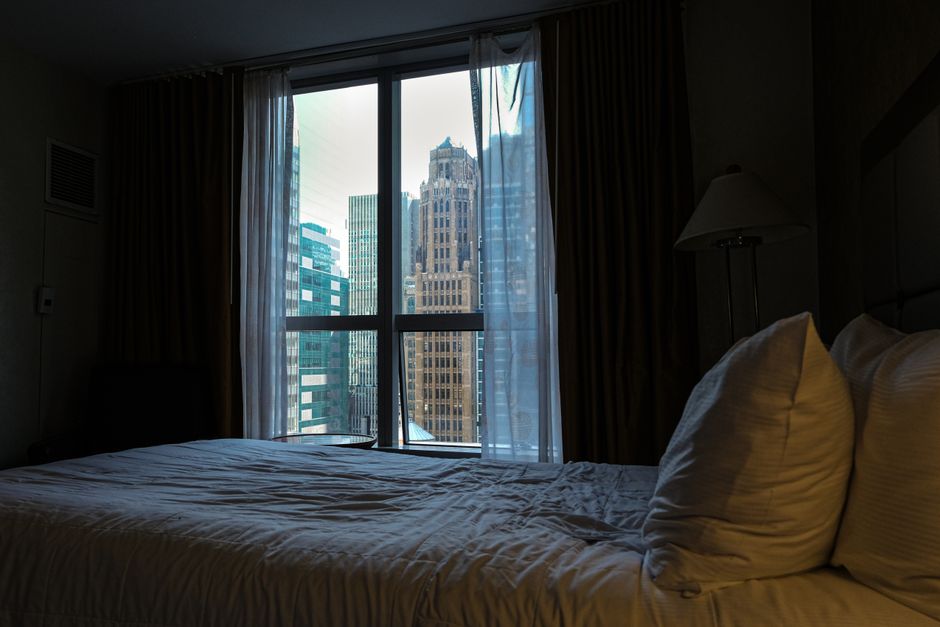
Mistake #1: Skipping the Fabric Performance Audit
One of the biggest blunders in hotel curtain procurement is choosing a fabric solely for its looks. Curtains in a hotel room serve multiple critical functions: light control, thermal insulation, noise reduction, and privacy. Without a thorough performance audit, you risk ending up with curtains that fail to block early morning sunlight, causing guests to wake up at dawn and leaving bad reviews.
Light Blockage and Blackout Capability
Hotel rooms need varying levels of light control. For most accommodations, blackout curtains are essential in bedrooms to ensure a deep, uninterrupted sleep. When assessing blackout performance, look for fabrics with a triple-weave or a thick, dense structure, not merely a dark color. Test the fabric against a strong light source to evaluate its opacity. A true blackout fabric should have a lining or coating that prevents almost all light penetration.
Thermal Insulation and Energy Costs
Poorly insulated curtains can significantly increase HVAC costs. Heavy, tightly woven fabrics or those with thermal backing help keep rooms cooler in summer and warmer in winter. This not only enhances guest comfort but also reduces energy consumption—a major operating expense for hotels. Ask suppliers for thermal resistance (R-Value) data to make an informed decision.
Moisture and Mildew Resistance
In humid climates or destinations near the ocean, moisture can be a problem. Non-breathable fabrics may trap condensation, leading to mold and mildew, which is a health hazard and a source of unpleasant odors. Choose moisture-resistant or treated fabrics that can withstand high humidity without deteriorating.
___PROTECTED_1___
Mistake #2: Ignoring Local Building Codes and Fire Safety Standards
Fire safety is non-negotiable in hospitality. Yet, many decorators overlook the specific fire-retardancy requirements for window treatments. If your curtain fabric does not meet the local fire codes, you risk not only fines but also the safety of your guests and staff.
Before purchasing, verify that the fabric adheres to standards such as NFPA 701 (in the US), BS 5867 (in the UK), or your country’s equivalent. Many suppliers offer fire-retardant (FR) finishes, but be aware that these treatments can wash out over time. If you plan to launder curtains often, consider inherently flame-retardant fabrics, which have the FR properties woven into the fiber and are more permanent.
Always request test certificates and ensure that the final installed product—including linings and trims—complies with the same standards. A common mistake is to test only the face fabric but forget the lining, which could be highly flammable.
___PROTECTED_2___
Mistake #3: Overlooking Durability and Maintenance Requirements
Hotels experience heavy wear and tear. Curtains are frequently pulled, stacked, and sometimes mishandled by guests. Choosing luxurious but delicate fabrics like pure silk may look great but will quickly show signs of fading, fraying, or tearing. Durability is about the fabric’s tensile strength, abrasion resistance, and colorfastness.
Moreover, consider how often the curtains will be cleaned. In budget or midscale hotels, curtains might be laundered only a few times a year, but in luxury properties, they may require more frequent dry cleaning. Some fabrics can shrink or lose their shape after washing. Always ask for laundering instructions and test a sample swatch.
- Choose fabrics with high rub counts (e.g., Martindale test) for longevity.
- Opt for solution-dyed or fiber-reactive dyes to minimize fading.
- Request anti-static and stain-resistant finishes to reduce maintenance.
Mistake #4: Choosing the Wrong Fabric Construction
Not all curtains are created equal. The construction—how the yarn is woven—affects appearance, drape, and function. An unsuitable construction can lead to poor performance or an awkward look.
Blackout Curtains
These should have a tight, dense weave, often with a black coating on the back. In high-end applications, a three-pass foam coating is superior to a single-pass because it prevents pin-holes of light. Heavier weight (300-500 gsm) is typical for hotel blackout curtains.
Sheer Curtains
Sheer fabrics are used for privacy during the day while allowing natural light. They should be lightweight but not too flimsy. Loose weaves will snag easily. A well-made sheer curtain should have a subtle texture and a floaty drape, but with a stable structure to withstand pulling.
Velvet Curtains
Velvet is a popular choice for luxury hotels due to its rich appearance and excellent sound absorption. However, there are different types of velvet—silk, cotton, viscose, or polyester blends. Polyester velvet is more practical for hotels as it is durable and easier to clean. Beware of crushed velvet, which may show wear after frequent stacking.
Acoustic Curtains
Acoustic curtains are specially designed to reduce noise—they are thick, dense, and often have an mass-loaded vinyl (MLV) layer or multiple layers. If you are procuring for rooms near busy streets or noisy mechanical areas, acoustic curtains should be a serious consideration.
Mistake #5: Forgetting the Acoustic Functionality
In today’s world, noise complaints are among the top reasons for negative hotel reviews. While standard curtains can absorb some sound, they are not sufficient to dampen external noises like traffic, airplanes, or loud neighbors. One of the most overlooked mistakes is treating curtains only as a light-blocking element and ignoring their acoustic properties.
If your hotel is in a noisy environment, consider acoustic curtains with a high Sound Transmission Class (STC) rating or a Noise Reduction Coefficient (NRC) of 0.6 or higher. These curtains are usually heavy, quilted, or laminated. Installing them can significantly improve guest sleep quality and reduce your exposure to noise-related complaints.
Mistake #6: Misjudging the Aesthetic and Brand Alignment
Curtains are a key visual element of a hotel room’s design. They cover a large wall area and can set the mood. Some procurement managers make the mistake of choosing a fabric that clashes with the interior design or dilutes the brand’s intended ambiance. For instance, a modern minimalist hotel might benefit from simple, muted sheers, while a classic luxury hotel might opt for layered velvet curtains with intricate headers.
During procurement, create a design board and sample panels in the actual room lighting. Natural and artificial lights can dramatically alter the appearance of a fabric. Also, consider the color psychology—cool blues and greens promote calmness, while warm earth tones feel cozy. Avoid overly bright or saturated colors that may distract or dominate the space.
Another aspect is the brand’s commitment to sustainability. If your hotel promotes eco-friendly values, choose curtains made from organic cotton, recycled polyester, or other sustainable fibers. This aligns your procurement with your marketing message.
Mistake #7: Neglecting Customization and Sizing Details
Standard curtain sizes from a catalog almost never fit a hotel window perfectly. Incorrect sizing leads to gaps of light at the edges, or curtains that are too short or too long. Fullness ratio is another critical factor. For a luxurious, gathered look, you need at least 2 to 2.5 times the width of the window in fabric. Many budget-conscious buyers settle for 1.5 times, which results in flat, starved-looking curtains.
- Measure every window individually—don’t assume all windows in a wing are the same size.
- Decide on the drop—floor-length (with a 2-3 cm gap from floor) is standard in hotels.
- Consider the header style—eyelet, pinch pleat, or pencil pleat can affect stacking space and ease of opening.
- Plan for stackback—when curtains are open, the fabric should not cover the window view. Proper stackback allows maximum daylight.
Mistake #8: Not Considering Installation and Hardware Quality
Even the best fabric will perform poorly if the tracks, rods, rings, or hooks are of inferior quality. In hotels, curtains are frequently pulled, often aggressively. Cheap plastic carriers or lightweight rods will bend, break, or become noisy, which is a nuisance for both guests and housekeeping.
Invest in sturdy, silent-running tracks. Use ceiling-mounted tracks if you want a clean, seamless look and to block light from the top. Wheels and gliders should be nylon or have ball bearings to minimize friction and noise. Additionally, think about motorization. For large or hard-to-reach windows, motorized curtains allow guests to control them with a button or smart system, adding a premium feel.
Mistake #9: Underestimating the Total Cost of Ownership
The initial price per meter is often the only factor considered, but the true cost includes installation, upkeep, energy savings, and replacement cycle. Cheap curtains may need to be replaced every two years, while high-quality commercial-grade curtains can last a decade if cared for properly. Over time, the longer-lasting option is often more economical.
Also, calculate the energy impact. Well-insulated curtains can cut heating and cooling costs by up to 10% in a typical hotel. If you purchase high-performance thermal curtains, the energy savings can offset the higher upfront investment within a few years. When comparing quotes, ask suppliers for a Total Cost of Ownership breakdown, including estimated lifespan and cleaning frequency.
Mistake #10: Lack of a Long-Term Procurement Strategy
One-off purchasing without a long-term plan often leads to inconsistent quality, higher costs, and maintenance headaches. A good procurement strategy involves establishing a relationship with a reliable supplier, ordering samples first, and performing physical tests. Negotiate bulk discounts and set minimum performance standards. If you run multiple hotel properties, standardize your curtain specifications to simplify replacement and storage.
Don’t forget to include spare fabric—at least 5% of the order—for future repairs or replacements. Keep records of fabric lot numbers so you can match color in case of an extra order.
Fabric Comparison for Hotel Curtains
| Fabric Type | Light Block | Acoustic Absorption | Durability | Maintenance Complexity | Typical Use |
|---|---|---|---|---|---|
| Blackout | Excellent | Good | Very High | Low – machine washable if treated | Guest bedrooms |
| Sheer | Low | Poor | Moderate | High – may snag | Overcurtains, day privacy |
| Velvet | Good | Excellent | High (polyester blend) | Medium – dry clean preferred | Luxury suites, restaurants |
| Acoustic | Excellent | Superior | Very High | Low | Conference rooms, noisy locations |
Final Thoughts
Hotel curtain procurement is a balancing act among aesthetics, functionality, safety, and budget. By avoiding these common mistakes, you can ensure that your curtains not only look beautiful but also perform exceptionally, withstand the rigors of daily use, and contribute to a comfortable, safe, and inviting guest experience. Always do your due diligence: test samples, verify certifications, and partner with reputable suppliers who understand the hospitality industry.
If you are ready to upgrade your hotel curtains with the right specifications, take a moment to review these points against your current project — and don't be afraid to ask for expert advice.