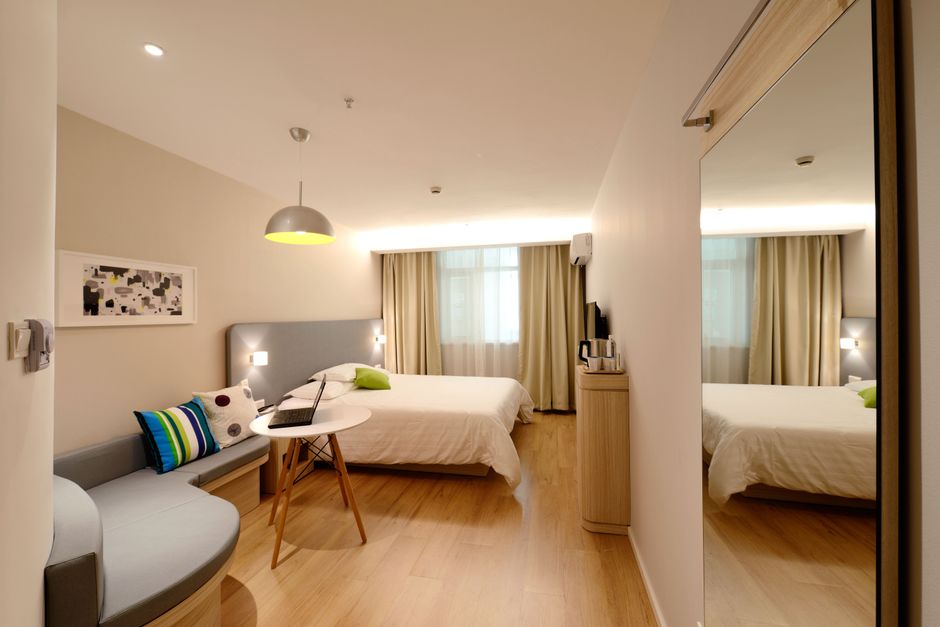
Introduction: Why Energy Efficiency Matters in Hotels
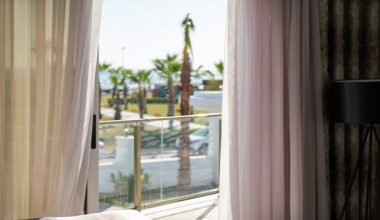
In the hospitality industry, energy costs are one of the largest operational expenses, often accounting for up to 30% of a hotel's utility budget. With rising utility rates and increasing guest expectations for sustainability, hotel owners and managers are turning to innovative solutions that reduce energy consumption without compromising comfort or aesthetics. Curtains, often overlooked as a simple decorative element, play a critical role in a hotel's thermal envelope. The right curtain fabrics and installation techniques can significantly reduce heating and cooling loads, lower carbon footprints, and create a more comfortable environment for guests. This comprehensive guide explores practical energy-saving curtain solutions tailored to hotels, from selecting high-performance fabrics to optimizing installation and control systems.
___PROTECTED_1___
The Role of Curtains in Hotel Energy Management
Windows are one of the biggest sources of heat gain and loss in any building. In hotels, large expanses of glass in guest rooms, lobbies, and conference areas exacerbate this issue. Curtains act as a thermal barrier, reducing the amount of heat that enters during summer and escapes during winter. The effectiveness of this barrier depends on several factors: fabric type, lining, layering, and how well the curtain seals against the window. When implemented correctly, curtains can reduce heat loss by up to 25% and heat gain by up to 50%, directly translating into lower HVAC energy usage and costs. Moreover, curtains contribute to acoustic comfort, block light for better sleep, and enhance the overall aesthetic appeal of hotel spaces.
___PROTECTED_2___
Key Energy-Saving Curtain Fabric Types
Blackout Curtains
Blackout curtains are the most common energy-saving solution in hotels. Made from tightly woven, opaque fabrics, they are designed to block out external light completely. Their dense structure also provides excellent thermal insulation, reducing heat transfer through windows. Modern blackout curtains often feature a triple-weave construction with a layer of acrylic foam or an aluminized coating that reflects heat and blocks UV rays. These curtains not only improve energy efficiency but also enhance guest sleep quality, which is a major factor in guest satisfaction and repeat bookings.
Sheer Curtains with Thermal Lining
Sheer curtains are lightweight and translucent, allowing natural daylight to filter into the room. While they alone offer little insulation, when paired with a thermal lining or combined with a blackout layer, they become an effective energy-saving solution. In hotels, sheer curtains are often used as a decorative under-layer, with a blackout curtain on top. This dual-layer approach allows guests to control light and privacy while benefitting from the insulating properties of the heavier curtain. Additionally, sheer curtains can help diffuse sunlight, reducing glare and protecting interior furnishings from fading.
Velvet Curtains
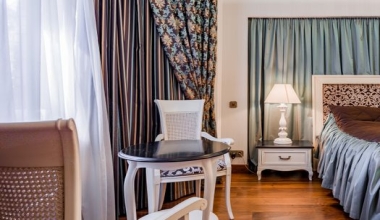
Velvet curtains are synonymous with luxury and are commonly found in high-end hotels. Their thick, plush pile naturally traps air, providing outstanding thermal insulation and sound absorption. Velvet fabrics are often made from cotton, silk, or synthetic blends, and their dense weave makes them effective at blocking drafts and cold air. For energy-conscious hotels, velvet curtains are an excellent choice for lounges, suites, and banquet halls where both elegance and comfort are paramount. However, velvet is heavier than other fabrics, so proper track systems and motorization are essential to ensure smooth operation.
Acoustic Curtains
Acoustic curtains are specifically engineered to reduce sound transmission, but they also offer impressive thermal performance. Typically constructed from multiple layers of dense foam or Mass Loaded Vinyl (MLV) sandwiched between fabric layers, these curtains absorb sound waves and provide a substantial barrier against heat loss. In hotels located near busy roads or airports, acoustic curtains are invaluable for creating quiet, comfortable rooms. Their heavy, multilayered construction also helps seal window edges more effectively, reducing drafts and improving overall energy efficiency.
How to Choose the Right Curtain for Each Hotel Area
Guest Rooms
Guest rooms require a balance of light control, privacy, thermal comfort, and aesthetics. The most effective solution is a combination of sheer curtains and blackout curtains on a double track. The sheer layer diffuses daylight, while the blackout layer ensures total darkness at night and provides insulation. For rooms with south- or west-facing windows, consider blackout curtains with a reflective thermal lining to minimize solar heat gain. In colder climates, opt for blackout curtains with an added thermal interlining to retain heat during winter.
Lobby and Common Areas
Lobbies often feature large glass façades that create a welcoming atmosphere but can lead to significant heat gain and glare. Here, sheer curtains or light-filtering curtains can be used to control daylight while maintaining a sense of openness. For energy efficiency, install a motorized shade system that automatically adjusts based on the time of day and sun intensity. This reduces the need for artificial cooling and heating while preserving the aesthetic appeal of the space. Acoustic curtains in the lobby can also help mitigate echo and outside noise, enhancing the overall guest experience.
Conference Rooms
Conference rooms require versatile light control to accommodate presentations and bright working environments. Blackout curtains are essential to block out daylight during projector use. They also help maintain comfortable temperatures, as these rooms often experience high occupancy loads. In addition, acoustic curtains can reduce noise transfer between adjacent meeting spaces, ensuring privacy and minimal distraction. Consider using motorized curtains with remote controls, allowing staff to easily adjust lighting and temperature settings.
Restaurant and Banquet Halls
Restaurants and banquet halls host events at various hours, so flexible light control is crucial. Elegant velvet curtains in banquet halls add a luxurious touch while providing insulation and sound absorption. In restaurants, a combination of sheer and blackout curtains can create intimate evening lighting while preventing midday heat buildup. Since these spaces are often large, motorized curtain systems are recommended for ease of use and to ensure curtains are fully closed when needed to conserve energy.
Practical Installation Tips for Maximizing Energy Savings
Track Systems and Layering
Proper installation is just as important as fabric selection. Use a ceiling-mounted or wall-mounted track system that allows the curtain to overlap the window frame fully. A good rule of thumb is to extend the track at least 20–30 cm beyond the window edges on each side to prevent air leakage around the curtains. Layering multiple curtain types—such as a sheer and a blackout layer—creates an insulating air pocket between them, significantly enhancing thermal performance. For maximum effectiveness, install curtains close to the ceiling to reduce the area of uninsulated wall above them.
Proper Hanging and Sealing
Ensure that curtains reach the floor or slightly puddle to seal off the bottom edge. Gaps at the top can be closed using a pelmet (a decorative box heading) or a cornice, which blocks rising warm air from bypassing the curtain. Additionally, use curtain weights or magnetic strips to hold the bottom edge against the wall or floor, preventing drafts. Always choose curtains with a woven or thermal lining, and for added insulation, consider a separate thermal interlining fixed to the back of the curtain.
Motorization and Smart Controls
Smart, motorized curtain systems are an excellent energy-saving investment. They can be programmed to close automatically at sunset, preventing heat loss during cold nights and heat gain during hot days. Light sensors can adjust curtains based on solar radiation, while occupancy sensors can ensure curtains are closed in empty rooms. These systems not only reduce energy waste but also add a modern convenience for guests, who can operate curtains via bedside switches or even voice control. Though the upfront cost is higher, the long-term energy savings and enhanced guest experience make them well worth it.
Additional Energy-Saving Measures: Curtain Linings and Pelmets
While the fabric itself is important, linings and accessories play a critical role in energy efficiency. Thermal linings are made from heat-reflective coatings or insulating foams that are attached to the back of the curtain. They can cut heat loss by 40% compared to unlined curtains. Pelmets (or valances) are often an afterthought, but they prevent warm air from circulating directly against the cold glass at the top of the window, reducing condensation and heat loss. In winter, tight-fitting pelmets can improve the overall R-value of the window treatment. When selecting linings, ask about fire-retardant properties, which are mandatory for many hospitality venues.
Case Studies and Industry Applications
Leading hotel chains have successfully implemented curtain solutions to reduce energy consumption. For example, a resort in the Southern United States installed triple-weave blackout curtains with a reflective coating in all guest rooms. The hotel reported a 15% reduction in cooling energy costs during summer months, while guests noted improved sleep quality. Another hotel in a historic building in Europe used acoustic velvet curtains in its meeting rooms to address both noise from a nearby street and inadequate insulation. The thick velvet fabric not only dampened sound but also helped stabilize room temperatures, allowing the HVAC system to operate less frequently.
Maintenance Tips for Long-Term Performance
Curtains in hotels require regular cleaning to maintain their energy-saving properties. Dust and grime accumulate on fabric fibers, reducing their insulating ability. Follow the manufacturer's care instructions carefully—most curtains are dry-cleanable, but many modern fabrics are washable. Use gentle soaps and avoid high heat drying, which can damage thermal coatings. Vacuum curtains regularly with a brush attachment to remove surface dust. For motorized systems, periodically inspect tracks and motors to ensure smooth operation and replace worn parts. Proper maintenance not only preserves the curtain's appearance but also extends its energy-saving lifespan, protecting your initial investment.
Conclusion and Call to Action
Investing in energy-saving curtain solutions is a smart, sustainable move for any hotel. By selecting the right fabrics—such as blackout, thermal-lined sheer, velvet, and acoustic curtains—and installing them correctly, you can significantly cut energy costs, improve guest comfort, and reduce your environmental impact. Whether you are renovating existing rooms or building new ones, consider pairing high-performance curtains with smart controls for the best results. At FabricsHub (your dedicated curtain fabric partner), we offer a wide range of hotel-grade fabrics that combine energy efficiency, style, and durability. Contact us today for a free consultation and discover how our products can transform your property while saving you money.
| Fabric Type | Energy-Saving Benefits | Best Used In | Additional Features |
|---|---|---|---|
| Blackout | Blocks heat gain and loss, reduces light | Guest rooms, conference rooms | UV protection, privacy |
| Sheer + Thermal lining | Diffuses sunlight, insulation with lining | Lobby, dining areas | Glare reduction, natural light |
| Velvet | Excellent thermal and sound insulation | Suites, banquet halls | Luxury aesthetic, noise reduction |
| Acoustic | Reduces sound transfer and heat loss | Rooms near noise, conference rooms | Mass loaded vinyl layer |
Note: Energy savings vary based on fabric quality, installation, and local climate. Always consult a professional for specific recommendations.