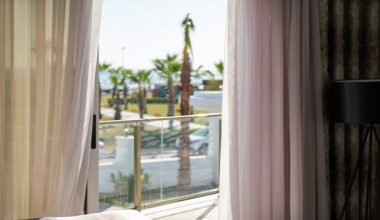
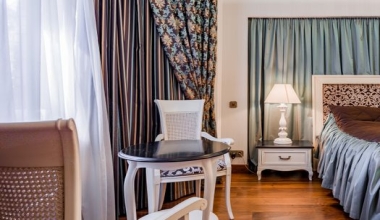
In the hospitality industry, guest comfort is paramount. While many hotels focus on visual aesthetics and luxurious bedding, acoustics often play an equally critical role in ensuring a restful stay. Unwanted noise from street traffic, neighboring rooms, and HVAC systems can disrupt sleep and diminish guest satisfaction. Hotel curtain acoustic solutions offer a practical and elegant way to address these challenges, combining noise reduction with functional benefits like light control and thermal insulation. This comprehensive guide explores the world of acoustic curtains for hotels, from fabric selection to installation and care.
Why Acoustic Curtains Matter in Hotels
Hotel guests expect a quiet sanctuary, yet noise pollution is one of the most common complaints in hospitality. Whether it's lively city nights, early morning traffic, or chatter from adjacent rooms, excessive noise directly impacts sleep quality and overall guest experience. According to a Cornell University study on hotel noise, poor acoustics can lead to negative reviews and lower occupancy rates. Acoustic curtains are an effective, non-invasive solution that helps meet the acoustic standards expected by discerning travelers. Unlike heavy structural renovations, curtains can be easily installed and replaced, making them a versatile choice for hoteliers seeking to upgrade comfort without major expense.
___PROTECTED_1___
Understanding Acoustic Curtain Fabrics: From Science to Practicality
Curtains reduce noise through sound absorption and mass. When sound waves hit a thick, heavy fabric, the fibers convert sound energy into a small amount of heat, damping the noise that reflects into the room. Acoustic performance is measured using Sound Transmission Class (STC) for barriers and Noise Reduction Coefficient (NRC) for absorption. Fabrics with high surface density and pile—such as velvet or triple-woven materials—perform best. While no curtain can fully soundproof a room, they can significantly lower reverberation and block high-frequency sounds, making speech and street noise less intrusive. When paired with blackout linings, acoustic curtains offer added mass and an effective barrier that works in parallel with double-glazed windows.
| Fabric Type | Sound Absorption | Light Blocking | Aesthetic Appeal | Typical Use Cases |
|---|---|---|---|---|
| Blackout Curtains | High (with lining) | Excellent | Versatile, modern | Guest rooms, nurseries, conference rooms |
| Sheer Curtains | Low to Moderate | Poor (filters light) | Soft, airy, elegant | Lounge areas, dining spaces, overlays |
| Velvet Curtains | Very High | High (if lined) | Luxurious, rich | Suites, luxury hotels, boutique settings |
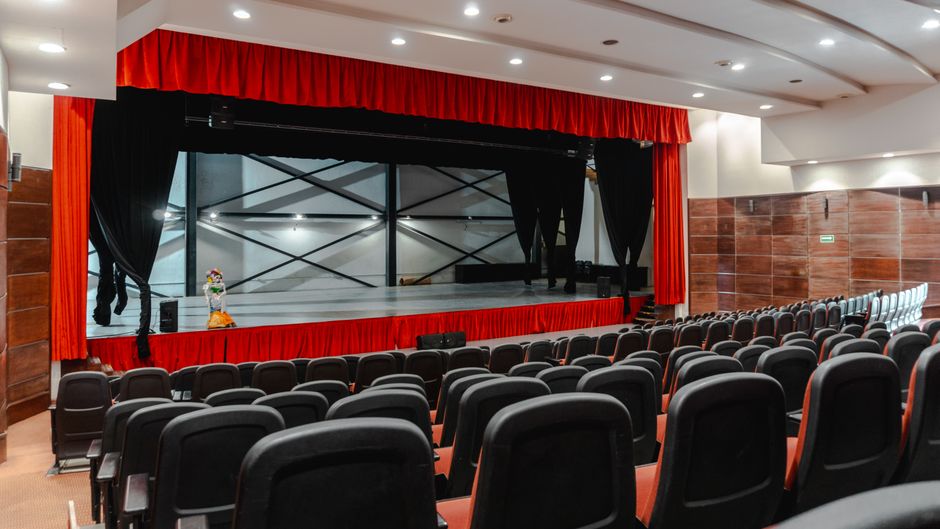
| Acoustic-Panel Curtains | Very High | Variable (depending on weave) | Industrial but customisable | Conference halls, theaters, high-traffic corridors |
___PROTECTED_2___
Blackout Curtains: The Dual-Purpose Acoustic Barrier
Blackout curtains are a staple in hotels because they serve two essential functions: blocking out light and adding a layer of acoustic protection. Typically constructed from tightly woven polyester or with a triple-weave technology, blackout fabrics are dense enough to damped mid-to-high frequency sounds. For optimal acoustic results, choose blackout curtains with a separate thermal/insulating lining. This extra layer increases mass and creates an air pocket between the window and the curtain, enhancing sound absorption. When installing, make sure the curtain overlaps the window frame conservatively—at least 10 centimeters on each side—to prevent sound leakage through gaps. Floor-to-ceiling installation not only adds a touch of drama but also creates a larger surface area to capture sound.
Sheer Curtains: Light Control with Subtle Sound Dampening
Sheer curtains are beloved for their light-filtering qualities and airy ambience, but they are not the first choice for serious noise reduction. A single layer of sheer fabric offers minimal sound absorption—mainly for very high frequencies like humming electronics. However, sheers become effective when layered with blackout or velvet curtains. Many hotels use a combination of sheer front curtains for daytime privacy and heavier back curtains for nighttime rest and acoustic comfort. This dual-layer approach allows guests to control light and noise easily. For acoustic-friendly sheers, look for fabrics that are tightly woven and heavier than typical polyester sheers, such as linen blends. While sheer curtains alone will not block street noise, they do soften echo within a room, contributing to a quieter environment.
Velvet Curtains: Luxury Meets Sound Absorption
Velvet has long been associated with opulence, and it also happens to be an exceptional acoustic fabric. The dense pile of velvet traps sound waves, making it one of the most effective natural materials for sound attenuation. Hotel suites and executive rooms often feature velvet florals or solid tones to create a cocooning, silent atmosphere. Velvet curtains are thicker and heavier than most alternatives, which means they block both light and noise when hung with a proper lining. However, they require more maintenance and must be regularly vacuumed or dry-cleaned to retain their performance. For high-end properties, velvet used in ridged or vertical patterns can also serve as a decorative acoustic panel, especially in banquet halls or lobby areas where sound control is needed during events.
Choosing the Right Acoustic Curtain Fabric: A Hotel Buyer's Guide
Selecting the appropriate acoustic curtain fabric for your hotel involves evaluating noise sources, guest profile, and budget. Here are practical steps to guide your purchasing decision:
- Identify Noise Hotspots: Conduct a simple noise assessment in guest rooms, corridors, and conference areas. Determine if the issue is mainly external (traffic, construction) or internal (hallway chatter, HVAC hum). Heavier fabrics work best for external noises, while absorber panels may be needed for internal reverberation.
- Check Fabric Density and Weight: The surface mass of the fabric determines its acoustic efficiency. Choose curtains with at least 300 grams per square meter (GSM) for noticeable sound reduction. Velvet and triple-weave fabrics typically exceed this threshold.
- Prioritize Fire Retardancy: Always verify compliance with local fire safety regulations. Hotels must use flame-retardant curtains that meet NFPA 701 or equivalent standards. Many acoustic fabrics come with fire-retardant backings without compromising acoustic qualities.
- Consider Aesthetics and Brand: Acoustic curtains don’t have to look industrial. Modern textiles offer textures, patterns, and hues that align with your hotel’s design theme. Work with suppliers who offer custom acoustic treatments with an aesthetic finish.
- Think about Layering: In many cases, a combination of sheer and blackout panels works best—sheers for daytime softening, blackouts for nightly or event use. Purchasing from the same collection ensures color consistency and ease of cleaning.
Installation and Care Tips for Maximum Acoustic Performance
Even the best acoustic fabric can fail if installed incorrectly. For hotels, a professional installation ensures that curtains remain taut, overlapping, and close to walls or ceilings. Use heavy-duty curtain tracks fixed to the ceiling, not the window frame, to create a full-ceiling-to-floor drape that acts as a sound barrier. Install a valance or pelmet at the top to reduce sound waves passing over the rod area. Side gaps should be sealed with fabric overlaps or weighted side panels that hug the wall.
Maintenance is equally crucial. Dust and dirt can clog the fabric’s pores, reducing its sound-absorbing ability. Vacuum curtains weekly using a soft brush attachment. For deeper cleaning, follow manufacturer’s instructions—most velvet and acoustic fabrics require professional dry cleaning. Avoid washing acoustic curtains in a washing machine unless the label explicitly allows it, as shrinkage or distortion can ruin the vertical drape and create gaps. At least once a year, check the backing and seams for wear and tear, and replace curtains if they become damaged.
Industry Application Cases: How Hotels Use Acoustic Curtains
Case Study 1: Urban Business Hotel vs. Traffic Noise
A high-rise business hotel in Downtown Chicago faced constant complaints about siren noise and traffic rumble. Solution: They replaced standard polyester curtains with triple-weave blackout acoustic curtains, combined with a secondary sheer layer for daytime use. The result was a 40% reduction in disruptive noise events and guest satisfaction scores rose from 82% to 91% within three months.
Case Study 2: Boutique Resort’s Luxury Suites
A coastal boutique resort wanted to preserve ocean views while reducing street noise from adjacent commercial areas. They selected a custom velvet acoustic drape with a hidden back tab system that allowed the fabric to contour the window. The velvet’s pile absorbed mid-frequency waves, while the tight installation prevented sound leaks. This approach maintained the resort’s luxury aesthetic while creating a quiet, restful ambiance that attracted repeat guests.
Case Study 3: Convention Center Conference Rooms
A convention center had large glass walls that caused echo and lacked privacy. They installed acoustic-panel curtains with a quilted foam backing. These curtains, when closed, reduced reverberation time by 60% and provided a clean background for presentations. The ability to open and close the curtains offered flexibility, converting the space from a bright reception area to a focused conference venue.
Conclusion: The Smart Investment in Hotel Curtain Acoustic Solutions
Acoustic curtains are not just decorative elements; they are strategic investments in guest comfort and property reputation. By carefully choosing the right fabric—whether blackout, sheer, velvet, or acoustic-panel—and installing them correctly, hotels can create serene environments that encourage repeat bookings and positive reviews. The initial cost is modest compared to structural soundproofing, and the power savings from thermal insulation are an added bonus. As the hospitality industry places ever greater emphasis on well-being and sleep quality, hotel curtain acoustic solutions are poised to remain an essential component of guest room design.
If you are planning to upgrade your hotel’s curtains, consult a specialist fabric supplier who can provide technical specifications and onsite acoustic testing. Your guests—and your bottom line—will thank you.