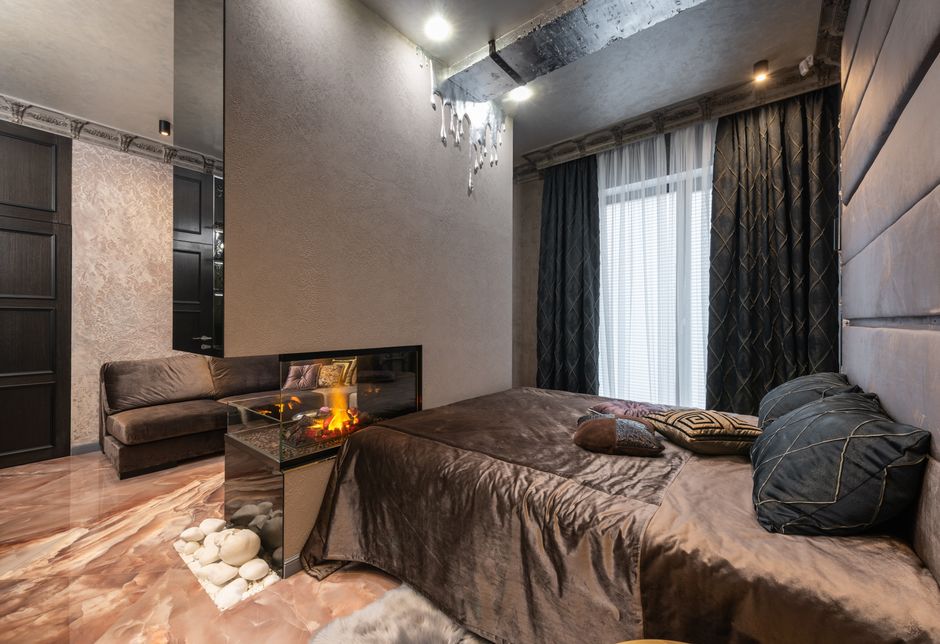
Why Fire Safety Compliance is Non-Negotiable for Hotels
Hotels are high-occupancy buildings where fire safety is a top priority. Flame retardant curtains are a critical component of passive fire protection, slowing the spread of flames and reducing toxic smoke. Compliance with standards like NFPA 701 (USA) or BS 5867 (UK) is not just a legal requirement—it’s a duty of care to guests and staff. This guide covers everything hotel owners, interior designers, and procurement managers need to know about selecting, installing, and maintaining flame retardant curtains.
___PROTECTED_1___
Key Fire Safety Regulations for Hotel Curtains
Different regions enforce specific flammability standards. Below is a comparative overview of major regulations:
| Standard | Region | Test Method | Key Requirement |
|---|---|---|---|
| NFPA 701 | USA | Vertical flame test | Max afterflame time ≤ 2 sec, char length ≤ 4.5 in. |
| BS 5867 Part 2 | UK/Europe | Ignitability test using small flame | No flaming debris within 20 sec exposure |
| CAN/ULC S109 | Canada | Flame spread and smoke developed | Flame spread index ≤ 25, smoke developed ≤ 50 |
| AS/NZS 1530 | Australia/NZ | Ignitability index (0-20) | Index ≤ 10 for public spaces |
Always verify with your local fire marshal or building code. Most hotels specify NFPA 701 or BS 5867 compliance in their procurement documents.
___PROTECTED_2___
Types of Flame Retardant Fabrics
Inherently Flame Retardant (IFR)
IFR fabrics have flame retardant properties built into the fiber molecule. Common IFR fibers include modacrylic, polyester with special additives, and treated cotton blends. IFR curtains maintain their fire resistance permanently, even after multiple washes.
Topically Treated Fabrics
These are regular fabrics (e.g., cotton, linen) coated with a chemical flame retardant. While cost-effective, the treatment may degrade over time and require re-application after cleaning. Ideal for budget-conscious projects but needs careful maintenance.
Fabric Constructions
- Blackout: Multi-layer weave with foam or coating, blocks light and adds insulation. Ensure the coating itself is flame retardant.
- Sheer: Lightweight, often made from inherently FR polyester. Popular for lobby and guest room window treatments.
- Velvet: Luxurious pile fabric. Usually requires backcoating to meet flame retardant standards. Ensure the backing is also FR-certified.
- Acoustic: High-density fabrics with sound absorbing properties, often used in conference rooms. Most acoustic curtains are inherently FR.
Benefits Beyond Compliance
Choosing certified flame retardant curtains offers additional advantages:
- Safety: Slows fire spread, buys evacuation time.
- Durability: Many FR fabrics are more resistant to wear and fading.
- Insurance: Some insurers offer discounts for using compliant materials.
- Peace of mind: Guests feel safer when hotels prioritize fire safety.
How to Select Flame Retardant Curtains for Your Hotel
Follow these steps to ensure you choose the right product:
- Check the label: Look for permanent tags with certification number and standard.
- Consider the space: Guest rooms (blackout), dining (sheer or velvet), event spaces (acoustic).
- Test a sample: Request a small swatch and verify the flame retardant rating via an independent lab.
- Evaluate maintenance: IFR fabrics are lower maintenance. Treated fabrics need care instructions.
- Match aesthetics: Flame retardant curtains come in many colors, patterns, and textures. Don’t sacrifice design for safety.
Installation and Maintenance Best Practices
Proper installation is as important as the fabric itself:
- Use fire-resistant hardware (metal rods, brackets). Avoid plastic components.
- Keep curtains at least 6 inches away from portable heaters or radiators.
- Never alter or hem flame retardant curtains with non-FR materials.
- Clean according to manufacturer guidelines. Some treated fabrics can only be dry-cleaned.
- For topically treated curtains, schedule re-treatment every 2-3 years or after every cleaning.
Case Study: A 5-Star Hotel Chain Compliance Upgrade
A luxury hotel chain with properties across Europe needed to upgrade all guest room curtains to meet new BS 5867 regulations. They chose inherently FR blackout velvet in a rich burgundy. Results: zero fire incidents, improved guest satisfaction due to better sleep, and a 15% reduction in heating costs from the insulation. Maintenance costs dropped by 20% because IFR drapes didn’t need re-treatment.
Common Mistakes to Avoid
- Assuming all curtains are FR: Regular curtains are not automatically flame retardant. Always verify.
- Ignoring lining: Lining can affect flammability. Specify FR lining as well.
- Skipping documentation: Keep certificates for inspection. Fire marshals can request them.
- Improper cleaning: Using bleach or high heat can destroy the flame retardant finish.
Conclusion
Flame retardant curtains are a vital element of hotel fire safety. By understanding regulations, choosing the right fabric type, and maintaining them properly, hoteliers can protect lives and property while maintaining aesthetic appeal. Always partner with reputable suppliers who provide clear certification. Compliance is not a burden—it’s an investment in safety and guest confidence.