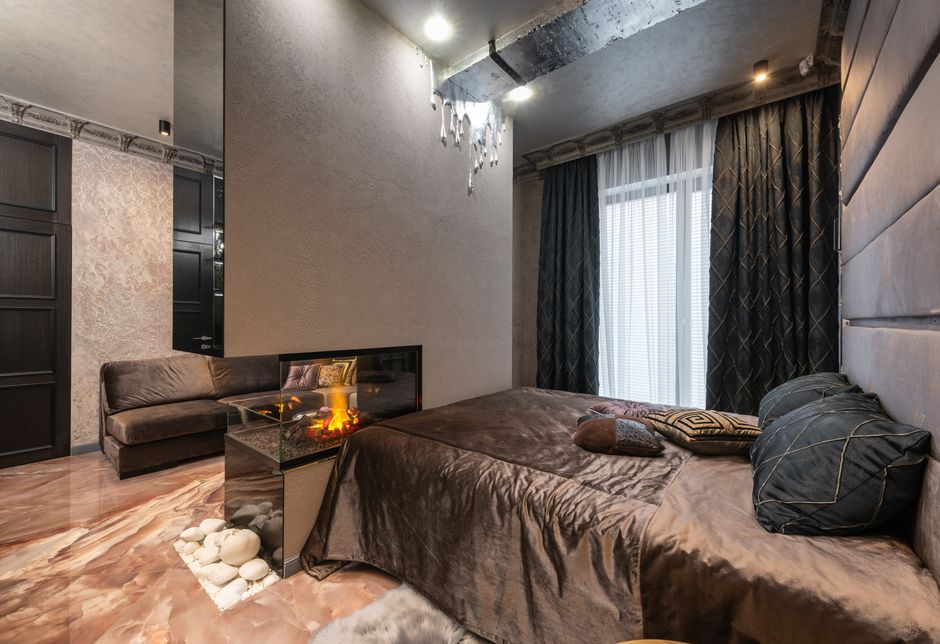
Introduction to Flame Retardant Blackout Curtain Fabrics
When it comes to window treatments, safety and functionality are paramount. Flame retardant blackout curtain fabrics offer the dual benefit of blocking light and reducing fire risk, making them essential for hotels, hospitals, theaters, and homes with young children or elderly. This guide compares top materials to help you choose the safest option for your space.
___PROTECTED_1___
Key Safety Standards and Certifications
Before diving into fabric comparisons, understand common fire safety ratings: NFPA 701 (US), BS 5867 (UK), and EN 13773 (EU). These tests measure flame spread and afterglow. Always look for certified fabrics.
___PROTECTED_2___
Comparison of Flame Retardant Blackout Fabrics
| Material | Fire Rating | Light Blockage | Durability | Cost per Yard | Eco-Friendliness |
|---|---|---|---|---|---|
| 100% Polyester (FR treated) | Pass NFPA 701 | 99%+ | High | $10–20 | Low (synthetic) |
| Polyester/Cotton Blend | Pass BS 5867 | 95%+ | Medium | $15–30 | Medium |
| Fiberglass Coated | Inherently FR | 99%+ | Very High | $25–50 | Low (non‐biodegradable) |
| Modacrylic | Inherently FR | 90%+ | High | $20–40 | Medium |
| Cotton (FR treated) | Pass EN 13773 | 85%+ | Medium | $12–25 | High (natural) |
1. 100% Polyester with FR Treatment
Polyester is the most common blackout fabric due to its low cost and excellent light blockage. FR chemicals are applied during manufacturing. These curtains are durable, easy to clean, and widely available. However, they may off-gas VOCs initially and are not biodegradable.
2. Polyester/Cotton Blends
Blending cotton improves breathability and a natural feel while retaining blackout properties. FR treatments are still required. These fabrics are softer and slightly more eco-friendly than pure polyester, but they may wrinkle more and have slightly lower light blockage.
3. Fiberglass Coated Fabrics
Fiberglass is inherently flame resistant and does not require chemical treatment. It offers the highest durability and light blockage. However, it is expensive, can irritate skin during installation, and is not biodegradable. Ideal for commercial high-risk areas.
4. Modacrylic Fabrics
Modacrylic is a synthetic fiber with inherent flame resistance. It feels similar to acrylic and offers good blackout properties. It is often used in conjunction with other fibers. It is moderately priced and recyclable in some facilities.
5. Cotton with FR Treatment
Cotton is a natural fiber that can be treated with FR chemicals. It is breathable and eco-friendly but has lower light blockage. It also requires more careful washing to maintain FR properties. Best for residential bedrooms with moderate light needs.
Care and Maintenance Tips
- Always follow manufacturer’s cleaning instructions—many FR fabrics can be machine washed on gentle cycle with mild detergent.
- Avoid fabric softeners and bleach as they can degrade FR chemicals.
- For fiberglass, only vacuum or spot clean; never machine wash.
- Reapply FR treatment after multiple washes if recommended by the manufacturer.
Buying Guide: What to Consider
- Fire Rating Needed: Check local codes. Commercial spaces often require NFPA 701 or BS 5867.
- Light Sensitivity: For complete darkness, choose polyester or fiberglass with 99%+ blockage.
- Budget: Polyester offers the best value; fiberglass is premium.
- Environmental Impact: Cotton or modacrylic are greener options.
- Installation: Ensure easy mount for track or rod systems.
Recommendation
For most residential and light commercial use, 100% polyester with NFPA 701 certification offers the best balance of safety, performance, and price. If strict environmental standards are required, choose modacrylic or FR-treated cotton. For high-risk areas like theaters or hospitals, invest in fiberglass coated fabric for maximum fire safety and durability.
Conclusion
Flame retardant blackout curtains are an investment in safety and comfort. By comparing materials and certifications, you can select a fabric that meets both aesthetic and compliance needs. Always prioritize certified products and follow care instructions to maintain fire resistance over time.