As sustainability becomes a priority in home and commercial design, eco-friendly blackout fabrics offer a responsible way to achieve darkness, thermal insulation, and soundproofing without harming the planet. This review explores seven sustainable blackout fabric options that combine performance with environmental ethics. Whether you're outfitting a bedroom, a home theater, or an office, these materials provide effective light blockage while minimizing ecological impact.
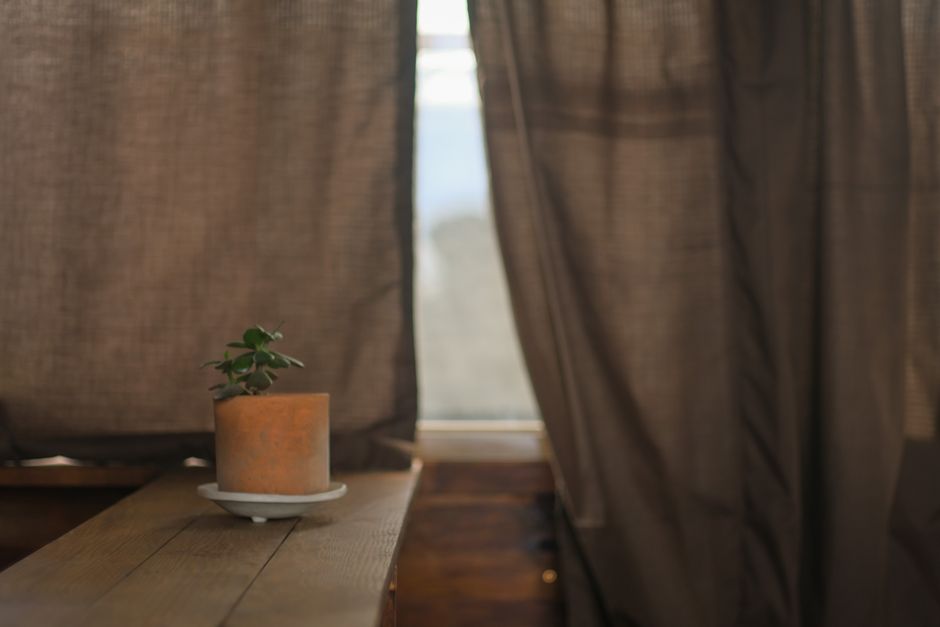
1. Recycled Polyester Blackout Fabric
Recycled polyester, often made from post-consumer plastic bottles, is a leading sustainable alternative to virgin polyester. It requires significantly less energy and water to produce, and it diverts waste from landfills. High-quality recycled polyester blackout fabrics offer 100% light blockage and excellent thermal insulation, making them ideal for bedrooms and media rooms. Many are also treated with eco-friendly coatings free of harmful chemicals like PVC or formaldehyde. Look for certifications such as GRS (Global Recycled Standard) to ensure the material meets rigorous sustainability criteria.
Care for recycled polyester is simple: machine wash cold and tumble dry low. Avoid bleach and harsh detergents to extend the fabric's life and maintain its light-blocking properties. These fabrics are also often blend with other natural fibers to enhance breathability.
___PROTECTED_1___
2. Organic Cotton Blackout Lining
Organic cotton is grown without synthetic pesticides or fertilizers, promoting healthier soil and water systems. When used as a blackout lining, organic cotton provides a natural, breathable layer that blocks light effectively, especially when combined with a dense weave or an interlining. It is hypoallergenic and suitable for chemically sensitive individuals. Many organic cotton blackout drapes feature a foam backing or a sateen finish to enhance opacity.
Opt for GOTS (Global Organic Textile Standard) certified organic cotton to guarantee organic content and ethical manufacturing. These linings work well in hotels, hospitals, and residential spaces where natural fibers are preferred. Care involves gentle washing with mild detergent and air drying to prevent shrinkage.
___PROTECTED_2___
3. Hemp Blackout Curtain Fabric
Hemp is one of the most sustainable fibers: it grows rapidly without irrigation, requires minimal pesticides, and enriches the soil. Hemp blackout fabrics are inherently durable, mold-resistant, and provide moderate light blockage. For complete blackout, hemp is often combined with a dark coating or a dense weave. Its natural texture adds an earthy aesthetic to interiors.
Hemp is also a natural insulator, helping reduce energy costs. It is biodegradable at end of life. Look for OEKO-TEX certification to ensure no harmful chemicals are used in processing. Care: machine wash on gentle cycle with cold water, hang to dry. Hemp softens with each wash without losing integrity.
4. Linen Blackout Blends
Linen, made from flax, is a renewable and biodegradable resource. While pure linen is semi-sheer, blending it with recycled polyester or organic cotton creates a blackout fabric that retains linen's breathability and natural luster. Linen blends offer a sophisticated drape and natural wrinkle resistance. They are ideal for eco-conscious interiors aiming for a relaxed, elegant look.
Many linen blackout blends are treated with solvent-free coatings to achieve full opacity. They are also naturally antimicrobial. Care: dry clean or machine wash gentle with cold water. Avoid wringing; reshape and line dry. The fabric's lifespan is long, reducing the need for frequent replacements.
5. Bamboo Charcoal Blackout Fabric
Bamboo charcoal is derived from bamboo, a fast-growing grass that regenerates without replanting. The charcoal is infused into fabric to enhance odor absorption, moisture regulation, and thermal efficiency. Bamboo charcoal blackout fabrics are soft, silky, and provide superior darkness with a double-weave construction. They are also naturally antibacterial and UV-blocking.
Choose bamboo fabrics that are mechanically processed (not chemically) to ensure sustainability. Look for FSC-certified bamboo or Oeko-Tex certification. Care: machine wash cold, no bleach, tumble dry low. These curtains perform well in humid climates and are popular for bedrooms and nurseries.
6. Recycled Denim Acoustic Blackout Fabric
Recycled denim or cotton shoddy is made from post-industrial and post-consumer denim waste. This fabric is often dense and heavy, providing excellent blackout and sound absorption. It is an ideal choice for home theaters or recording studios. The material is usually felted or needle-punched, creating a non-woven structure that blocks light and noise.
Though not as decorative as wovens, recycled denim panels can be covered with sustainable upholstery or painted with non-toxic dyes. They are 100% recyclable at end of life. Care: spot clean or vacuum; avoid water as it can cause shrinkage. Most are flame-retardant without chemical additives due to the denim's natural properties.
7. GOTS-Certified Blackout Velvet
velvet is synonymous with luxury, but eco-friendly versions exist. GOTS-certified organic cotton velvet or recycled polyester velvet provides a plush, light-blocking surface. This fabric uses low-impact dyes and avoids toxic finishes. The dense pile naturally absorbs light and sound, making velvet a dual-purpose blackout and acoustic fabric.
Eco-velvet is softer and more breathable than standard synthetic velvet. It works well in formal living rooms, theaters, and hotel suites. To care, dry clean or hand wash in cold water with mild soap. Avoid harsh detergents. The fabric's longevity and timeless appeal reduce waste.
| Material | Key Sustainability Feature | Light Blockage | Acoustic Benefit | Care |
|---|---|---|---|---|
| Recycled Polyester | Post-consumer plastic bottles | 100% | Moderate | Machine wash cold |
| Organic Cotton | No synthetic pesticides | High (with lining) | Low | Gentle wash, air dry |
| Hemp | Low water/land use | Moderate to high | Moderate | Gentle wash, line dry |
| Linen Blend | Biodegradable flax | High | Low | Dry clean or gentle wash |
| Bamboo Charcoal | Fast-growing, renewable | 100% | Moderate | Machine wash cold |
| Recycled Denim | Diverts textile waste | 90-100% | High | Spot clean, vacuum |
| Eco-Velvet | GOTS organic / recycled | 100% | High | Dry clean or hand wash |
When selecting an eco-friendly blackout fabric, consider the specific needs of your space: light sensitivity, sound control, and aesthetic preferences. All of these options reduce environmental footprint while delivering high performance. For commercial applications, recycled polyester and recycled denim offer durability and ease of maintenance. For residential luxury, organic cotton velvet or linen blends provide elegance. Always check for third-party certifications to ensure claims are verified.