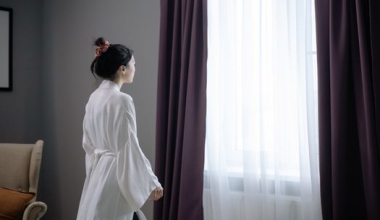
Curtains are a significant investment in your home's comfort and style. Whether you've chosen blackout curtains for a perfect night's sleep, sheer drapes for soft natural light, velvet panels for luxurious warmth, or acoustic curtains for noise reduction, proper care can extend their lifespan by years. This comprehensive guide covers everything from routine maintenance to deep cleaning, helping you protect your fabric investment.
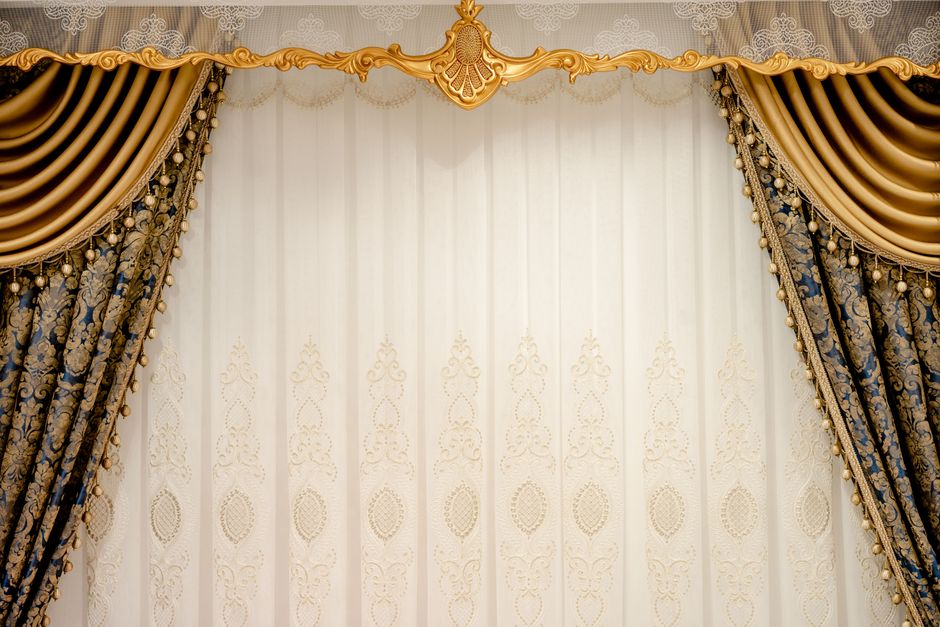
Understanding Your Curtain Fabric
Different fabrics require different care. Knowing your curtain material is the first step to extending its life.
- Blackout Curtains: Usually made from multiple layers including a foam or acrylic coating. They are sensitive to high heat and harsh detergents.
- Sheer Curtains: Lightweight, often polyester or linen blends. They are delicate and prone to tearing if handled roughly.
- Velvet Curtains: Luxurious with a pile that can crush or fade. They require gentle cleaning and steaming.
- Acoustic Curtains: Heavy, multi-layered fabrics designed to absorb sound. They are often made from thick cotton or polyester with added mass. They can be bulky to clean.
___PROTECTED_1___
Proper Cleaning Techniques
General Cleaning Guidelines
Always check the care label before cleaning. Most curtains can be machine washed on a gentle cycle with cold water, but some require dry cleaning. Use mild detergent and avoid bleach.
Fabric-Specific Advice
| Fabric Type | Cleaning Method | Drying |
|---|---|---|
| Blackout | Machine wash cold, gentle cycle. Do not wring. | Hang to dry or tumble dry low. Avoid ironing directly on coating. |
| Sheer | Hand wash or machine wash in a mesh bag. Cold water. | Hang to dry, do not wring. |
| Velvet | Dry clean recommended. If machine wash, use gentle cycle with cold water. Do not use fabric softener. | Hang to dry. Use steamer to restore pile. |
| Acoustic | Vacuum regularly. Spot clean with mild soap. Deep clean by dry cleaning. | Air dry only. Do not tumble dry due to weight. |
Tip: Shake curtains outdoors before washing to remove loose dust and debris.
___PROTECTED_2___
Routine Maintenance: The Key to Longevity
Preventive care can double the life of your curtains.
- Dust weekly: Use a vacuum with a brush attachment or a lint roller. This prevents dirt from embedding in fibers.
- Rotate curtains: Swap panels every few months to ensure even sun exposure.
- Check hardware: Loose rods or brackets can cause uneven stress and fabric wear. Tighten annually.
- Avoid pulling: Always open and close curtains by the center edge, not by yanking the fabric.
Protecting Curtains from Sun Damage
Sunlight is a major culprit in fabric fading and degradation. UV rays weaken fibers over time.
- Use liners: Add a white or reflective lining to block UV light without changing the drape.
- Install UV film: Apply UV-protective film to windows to reduce exposure.
- Rotate regularly: Even exposure distributes fading.
- Close during peak hours: In rooms with direct sunlight, close curtains between 11 am and 3 pm.
Preventing Mold and Mildew
Moisture can ruin curtains, especially in bathrooms or humid climates.
- Ensure ventilation: Use exhaust fans or open windows to reduce humidity.
- Dry immediately: If curtains get wet, dry them promptly. Never store damp curtains.
- Avoid touching wet walls: Keep curtains away from damp surfaces.
- Use mold-resistant sprays: Lightly mist with a fabric-safe antimicrobial spray.
Handling and Storage Tips
Correct Handling
Always wash your hands before touching light-colored or delicate curtains. Oils from skin can attract dirt. When removing curtains, support the full weight to avoid stress on seams.
Seasonal Storage
If you swap curtains seasonally, store them properly:
- Clean curtains before storing.
- Fold loosely and place in a breathable cotton bag or pillowcase. Do not use plastic bags.
- Store in a cool, dry, dark place away from attic temperature extremes.
- Avoid heavy stacking that can crush pile fabrics.
When to Repair vs. Replace
Minor issues like loose hems or small tears can be repaired easily. But if the fabric is severely faded, has permanent stains, or the lining is disintegrating, replacement may be more cost-effective. For blackout and acoustic curtains, the functional layers degrade over time—typically 5-7 years. If light leaks or sound passes through, it's time for new curtains.
Regular inspections every six months can catch problems early.
Conclusion
By understanding your curtain fabric, cleaning properly, maintaining regularly, protecting from sun and moisture, and storing correctly, you can significantly extend the lifespan of your curtains. A little care goes a long way in preserving both their function and beauty for years to come.