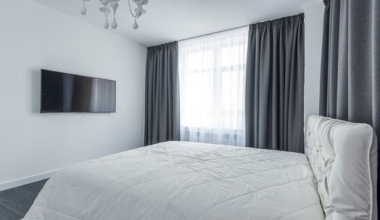
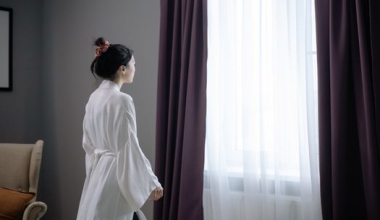
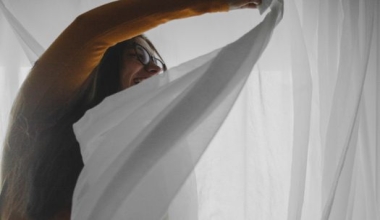
Curtains do more than frame a window; they regulate light, provide privacy, add insulation, and contribute to the room's aesthetic. But because they hang horizontally and often go unnoticed, they quickly become silent collectors of dust, allergens, odors, and even mold. A proper curtain hygiene routine is essential not just for the longevity of the fabric, but also for the air quality and overall health of your home. This comprehensive guide walks you through everything you need to know about keeping your curtains fresh, clean, and in top condition—step by step, fabric by fabric.

Why Curtain Hygiene Matters
Curtains are essentially large air filters. They trap dust mites, pollen, pet dander, and airborne pollutants that drift through your home. Over time, these particles accumulate deep within the fibers, turning your beautiful drapes into a hidden source of indoor pollution. For allergy sufferers, dusty curtains can trigger sneezing, watery eyes, and even asthma attacks. Beyond health, built-up grime can cause fabrics to yellow, dull, or develop permanent stains. In humid environments, curtains can also absorb moisture, leading to mold and mildew that could ruin the fabric and spread spores into the air. Regular cleaning is a simple yet effective way to protect both your investment and your family's well-being.
___PROTECTED_1___
How Often Should You Clean Your Curtains?
The golden rule: vacuum or shake your curtains every two to four weeks, and perform a deep clean every three to six months. However, your routine should adapt to your environment. If you live in a busy city, have pets, or use your fireplace, you may need to step up the frequency. Kitchens and bathrooms should be cleaned more often due to grease and steam, while bedrooms might need less frequent but still regular attention. Seasonal changes are also a good reminder—spring cleaning is the perfect time to wash the heavy drapes, and before winter, you can refresh them to trap warmth. The key is to avoid waiting until the curtains look visibly dirty—by then, they've already been shedding particles into your air.
___PROTECTED_2___
Before You Start: Know Your Fabric
Nothing ruins curtains faster than the wrong cleaning method. Always check the manufacturer's care label first. It will tell you whether the fabric can be machine washed, hand washed, dry cleaned, or if it requires professional care. Here's a quick breakdown:
- Blackout fabrics often have a special coating (like acrylic foam or a triple-weave) that may degrade with excessive washing. Always spot-clean if possible, and if washing is allowed, use a gentle cycle with cold water.
- Sheer curtains are delicate and prone to tearing. Hand washing in lukewarm water with a mild detergent is usually safest, though many sheers can survive a gentle machine cycle in a mesh bag.
- Velvet is luxurious but high-maintenance. It can crush and flatten under pressure, so vacuum with a brush attachment and avoid water unless the label says otherwise. Dry cleaning is often the best choice.
- Acoustic curtains are typically made of thick, layered materials to dampen sound. They are heavy and may require professional cleaning to avoid damaging the inner layers or the hanging structure.
Also note the lining. Many curtains have a separate lining made from different material—treat it as a whole, but if the lining is not removable, you may need to adjust your method.
General Cleaning Methods: Dust, Vacuum, and Steam
Before you resort to water, start with the basics. These methods are safe for all fabric types and help you maintain a baseline of cleanliness between deep washes.
1. Dusting and Shaking
Take your curtains down (if possible) and give them a vigorous shake outdoors. This dislodges loose dust, mites, and debris. For lined drapes, you can also use a soft-bristled brush or a lint roller to pick up surface dust. A simple microfiber cloth attached to a broom handle can reach high areas without pulling them down.
2. Vacuuming
The most effective everyday tool is a vacuum with a brush attachment. Work top to bottom, using gentle, downward strokes. For pleated curtains, vacuum both the front and the back—the back often collects the most dust. Don't forget the area where the fabric meets the floor, as dust bunnies love to hide there. A handheld vacuum with a HEPA filter is ideal for capturing allergens without recirculating them into the room.
3. Steam Cleaning
Steam is a game-changer for curtains. It kills dust mites, removes wrinkles, and refreshes deep-set odors without soaking the fabric. Use a handheld steamer and move the nozzle from top to bottom, keeping it a few inches away from the material. Steam can set stains, so always test on an inconspicuous spot first. It's especially great for velvet and other delicate fabrics that shouldn't be washed.
Washing Curtains: Machine vs. Hand
When your curtains need more than a surface refresh, it's time to wash. But improper washing can shrink, fade, or distort your panels. Follow these steps to get it right.
Machine Washing
First, check that the care label says "machine washable" or at least "gentle cycle." Use cold or lukewarm water (never hot) and a mild liquid detergent—no bleach, no fabric softener. Place delicate items in a mesh laundry bag to reduce friction. Choose a slow spin speed to avoid twisting or excessive creasing. Wash only one panel at a time to prevent tangling. Even if the label allows machine washing, it's a good idea to test a corner first. After the cycle ends, remove the curtains immediately to minimize wrinkles, and never leave them wet in the washer overnight.
Hand Washing
Fill a bathtub or large sink with cold water and a gentle detergent dissolved in. Submerge the fabric, gently press (do not scrub), and let it soak for a few minutes. Rinse thoroughly with clean water until no suds remain. Press out excess water without wringing—wringing can break fibers and create permanent creases. For heavily soiled areas, use a soft sponge with a diluted detergent solution.
Dealing with Stains and Odors
Spot stains are inevitable—coffee splashes, children's fingerprints, or dust streaks near a window. Act fast: blot (don't rub) the area with a clean, white cloth and a dab of mild detergent or stain remover specifically safe for the fabric. For grease, sprinkle baking soda on the spot, wait 15 minutes, then vacuum and wipe with a damp cloth. For odors like cigarette smoke or cooking aromas, air out your curtains by hanging them outside on a breezy day (avoid direct sun, which can cause fading). Baking soda can also be sprinkled on the fabric, left for a few hours, then vacuumed off. For stubborn pet odors, add a cup of white vinegar to the wash cycle (if the fabric allows) to neutralize smells without leaving a strong vinegar scent.
Fabric-Specific Care: A Detailed Checklist
Different curtain fabrics demand personalized attention. Here's how to care for the most popular types.
Blackout Curtains
- Vacuum weekly with a brush attachment to keep the coating intact.
- Spot clean stains with a damp cloth and mild soap—do not soak.
- Avoid machine washing unless explicitly stated. If allowed, use a large capacity washer without a spin on delicate cycle, and air dry only.
- Never dry clean blackout curtains unless the label says so—chemicals can degrade the light-blocking layer.
Sheer Curtains
- Hand wash in cool water with a gentle detergent to avoid tearing.
- Do not wring or twist—either lay flat or hang, and gently blot with a towel.
- Iron at a low temperature while still slightly damp to remove wrinkles, or use a steamer.
- Consider using a mesh bag if machine washing if sheer fabric is not labeled as delicate.
Velvet Curtains
- Vacuum with an upholstery attachment on low suction, moving in both directions to lift the nap.
- Brush in one direction to restore the pile and make the velvet look smooth and even.
- Spot clean with a dry-cleaning solvent or use a steam cloth. Water can leave watermarks, so test hidden areas first.
- Avoid exposure to direct sunlight to prevent fading, and keep humidity low to avoid crushing the pile.
Acoustic Curtains
- Vacuum regularly to prevent dust-blocking the acoustic properties.
- Professional cleaning is recommended because the heavy interlining can shrink or deform if washed.
- If spot cleaning, use a small amount of upholstery foam on a damp cloth, being careful not to oversaturate.
- Air out (not in direct sun) to refresh the fabric and remove odors.
Drying and Ironing Tips
Proper drying is just as important as washing. Always hang curtains back on the rod while still slightly damp—this allows gravity to pull out wrinkles and lets them dry in their natural shape. If you must remove them, lay them flat on a clean sheet, away from direct sunlight or heat sources. Never put a washable curtain in a tumble dryer unless the care label says it's safe, as high heat will shrink the fabric and damage any coatings. For ironing, check the heat settings: synthetic fabrics require low heat, cotton can take medium, and velvet should never be ironed directly—steam or use a pressing cloth. A garment steamer is often a safer alternative for delicate materials.
Preventative Measures and Maintenance
An ounce of prevention is worth a pound of cure. Keep your curtains fresher for longer with these habits:
- Use a lint roller on drapes once a week to remove surface dust and pet hair.
- Install an air purifier in the room to reduce airborne particles that settle on curtains.
- Keep windows closed on windy days inside the house to prevent outdoor dust from accumulating.
- Trim plants and trees near windows to avoid pollen and insects landing on your fabric.
- Rotate your curtains every few months to ensure even wear and sunlight exposure.
- Use a protective lining for blackout or sheer curtains—it traps dust and extends the life of the outer fabric.
When to Call a Professional
Some curtains—like expensive silk, embossed velvet, or multilayered acoustic panels—are best left to the experts. If the care label says "dry clean only," don't take shortcuts; take them to a professional dry cleaner who specializes in draperies. Professional cleaners can also handle delicate pleats, custom lengths, and complicated hardware. Additionally, if you notice mildew, heavy soot, or stubborn discoloration that home treatments won't fix, a pro can use industrial-grade methods to restore the fabric safely. It's an investment that pays off by avoiding costly replacements.
Conclusion
Curtain hygiene is not a luxury—it's a necessity for a fresh, healthy home. By establishing a routine of dusting, vacuuming, and periodic deep cleaning, you'll not only prolong the life of your curtains but also improve the air you breathe. Remember to always respect your fabric's unique care needs, and when in doubt, test a small area or consult a professional. With these tips, your curtains can remain beautiful, functional, and hygienic for years to come.
Ready to update your curtains? Explore our collection of easy-care blackout, sheer, velvet, and acoustic fabrics, all designed with hygiene in mind.