Choosing the right curtain fabric can transform a room, affecting light control, privacy, insulation, and aesthetics. With options like blackout, sheer, velvet, and acoustic curtains, each fabric serves a unique purpose. This guide breaks down the characteristics, benefits, and ideal uses of each type, helping you make an informed decision.
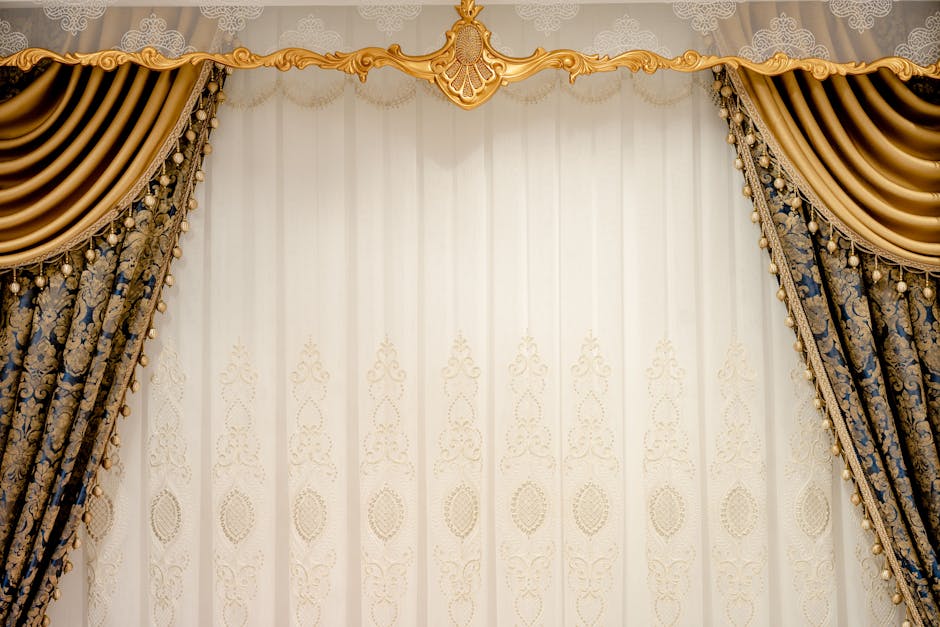
What to Consider Before Choosing Curtain Fabric?
Before diving into specific fabrics, consider the room's function, existing decor, and your priorities. Key factors include:
- Light control: Do you need complete darkness or soft filtering?
- Privacy: How much visibility from outside is acceptable?
- Insulation: Do you want thermal or acoustic benefits?
- Maintenance: How easy is it to clean?
- Aesthetics: What style complements your interior?
___PROTECTED_1___
Blackout Curtains: The Light-Blocking Champion
How Blackout Fabrics Work
Blackout curtains are typically made from tightly woven, heavy fabrics or have a special coating (e.g., acrylic foam) that blocks almost all light. They often feature multiple layers, including a core that prevents light penetration.
Best Uses and Benefits
- Bedrooms: Promote better sleep by creating a dark environment, especially for shift workers or light-sensitive sleepers.
- Home theaters: Eliminate glare and reflections for an immersive viewing experience.
- Energy efficiency: The thick fabric and lining provide insulation, reducing heat loss in winter and heat gain in summer.
- Privacy: Complete obstruction of outside view.
Care and Maintenance
Most blackout curtains are machine washable on a gentle cycle with cold water. Avoid bleach and high heat drying, as it can damage the coating. Check the label; some may require dry cleaning. Vacuuming with a brush attachment can remove dust between washes.
___PROTECTED_2___
Sheer Curtains: Elegance and Soft Light Filtering
Types of Sheer Fabrics
Sheer curtains are lightweight, translucent fabrics like voile, lace, or organza. They allow natural light to filter through while providing a degree of privacy. Common types include:
- Voile: Soft, plain weave with a subtle texture.
- Lace: Decorative patterns for romantic or vintage looks.
- Linen sheers: Natural fiber with a more casual, airy feel.
Styling Tips
Use sheers alone in rooms where you want soft light and gentle privacy (e.g., living rooms, dining areas). Layer them with blackout or velvet curtains for flexibility—open the heavy drapes during the day for light, close them at night for darkness.
Cleaning Sheers
Sheer fabrics are delicate. Hand wash in cold water with mild detergent or use a gentle machine cycle in a laundry bag. Hang to dry to avoid wrinkles; iron on low heat if needed. Avoid fabric softeners that can weaken fibers.
Velvet Curtains: Luxury and Insulation
Why Choose Velvet?
Velvet curtains have a plush, dense pile that exudes luxury. They are excellent insulators—thick velvet can reduce noise and block drafts. The heavy weight creates elegant folds and drapes beautifully. Popular colors include jewel tones like emerald green, sapphire blue, and deep burgundy.
How to Maintain Velvet
Velvet requires gentle care. Vacuum regularly with a soft brush attachment to prevent dust buildup. For stains, spot clean with a damp cloth and mild soap—never rub. Dry clean is recommended for deep cleaning. Avoid direct sunlight to prevent fading.
Velvet in Different Rooms
- Living rooms: Adds warmth and sophistication.
- Bedrooms: Creates a cozy, opulent feel.
- Home offices: Sound-absorbing properties help reduce echo.
Acoustic Curtains: Soundproofing and Beyond
How Acoustic Curtains Work
Acoustic curtains are made from thick, dense materials like multiple layers of fabric, felt, or fiberglass. They trap sound waves and reduce noise transmission, often with a Sound Transmission Class (STC) rating. They also absorb echoes within a room.
Application Cases
Beyond residential use, acoustic curtains are popular in:
- Recording studios: To block external noise and prevent sound leakage.
- Open-plan offices: Reduce distraction from conversations and equipment.
- Home theaters: Enhance audio quality by controlling reverberation.
- Restaurants: Create intimate dining zones.
Comparing Acoustic to Other Fabrics
While blackout curtains offer some sound dampening due to their weight, acoustic curtains are specifically engineered for noise reduction. They are generally heavier and have specialized construction. Velvet can also help, but acoustic fabrics are the best choice for sound-sensitive spaces.
Buying Guide: How to Select the Right Fabric
Measuring and Lining Considerations
Accurate measurements are crucial. For floor-length curtains, allow extra width for fullness (1.5 to 3 times the window width). Consider lining options: blackout lining can be added to sheers or velvet for light control, while thermal linings boost insulation.
Budget and Quality
Sheer curtains are the most budget-friendly, while velvet and high-quality blackout curtains cost more. Acoustic curtains are premium due to specialized materials. Always check fabric density, weave, and care instructions. Investing in well-made curtains ensures longevity and performance.
Conclusion
Understanding the differences between blackout, sheer, velvet, and acoustic curtains empowers you to choose the best fabric for each room. Whether you need complete darkness, soft elegance, luxury insulation, or sound control, there's a perfect option. Visit our fabric collection to explore high-quality materials and find your ideal curtains today.