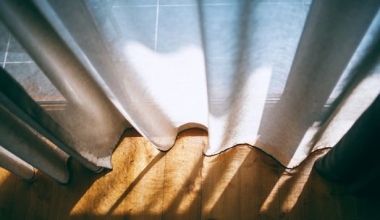
1. Understand Fabric Types
Blackout curtains are available in a variety of fabrics, each with distinct benefits. Polyester is the most common due to its durability, affordability, and ease of care. Cotton offers a natural feel and breathability, but may require thicker lining for full blackout. Velvet provides a luxurious appearance and excellent light-blocking properties, while also adding warmth and sound absorption. Acoustic curtains, often made from dense materials like suede or multi-layered composites, are ideal for noise reduction.
When choosing fabric, consider the room's purpose. For bedrooms, velvet or triple-weave polyester ensures total darkness. For living areas, lighter cotton or polyester blends with blackout coating balance aesthetics and function. Always check the fabric weight—heavier fabrics typically block more light and insulate better.
___PROTECTED_1___
2. Check Light Blocking Rating
Not all blackout curtains are created equal. Look for a 'total blackout' rating, which means zero light penetration when closed. Some curtains are labeled 'dimout' or 'room darkening' and may let in 10-20% of light. For nurseries, home theaters, or shift workers, total blackout is essential. Check the manufacturer's specifications, often expressed as a percentage of light blockage.
Test the fabric by holding it up to a strong light. If you can see the outline of your hand, it's not total blackout. Also, consider the curtain's weave: triple-weave or foam-backed linings are more effective than single-layer fabrics. Remember that even with total blackout fabric, gaps at the sides, top, and bottom can let light in—install curtains close to the wall and use a pelmet or valance.
___PROTECTED_2___
3. Choose the Right Lining
The lining is the key to blackout performance. The most common options are foam-backed (applied as a coating) and triple-weave (fabric constructed in three layers). Foam-backed curtains are lighter and more affordable but may degrade over time with washing. Triple-weave curtains are thicker, more durable, and often have better insulating properties.
Some curtains come with an additional detachable lining, allowing you to use them in different seasons. For maximum energy efficiency, consider curtains with a thermal lining that has a reflective layer. This not only blocks light but also keeps heat in during winter and out during summer. Ensure the lining is opaque—hold it up to light to confirm.
4. Consider Thermal Insulation Properties
Blackout curtains double as thermal insulators. They can reduce heat loss by up to 25% in winter and keep rooms cooler in summer by reflecting solar radiation. Look for curtains with a high R-value (thermal resistance). Thicker fabrics and those with multiple layers, like velvet or triple-weave polyester, offer the best insulation.
For extreme climates, consider curtains with a separate thermal liner or one that is aluminized on the back. This reflects heat back into the room. Remember that proper installation—creating a seal around the window—enhances insulation. Use curtain tracks that mount close to the ceiling and extend beyond the window frame to trap air pockets.
5. Measure Correctly for Perfect Fit
Accurate measurements are crucial for effective blackout. Measure the width of the window frame and add at least 8-12 inches (20-30 cm) on each side to ensure the curtain overlaps the frame, preventing light leakage. For height, decide whether you want the curtain to rest on the sill or floor. Floor-length curtains look elegant and reduce drafts.
Use a metal tape measure for precision. Measure at three different points (top, middle, bottom) if measuring inside the frame. For outside mount, measure the desired width and height from the rod to the floor. Always double-check before ordering. A common mistake is buying curtains that are too narrow—go wider than you think.
6. Select the Best Color and Pattern
Dark colors like navy, charcoal, or black offer the best light blockage because they absorb more light. However, light-colored blackout curtains can also be effective if they have a thick lining or multiple layers. Neutral colors like beige, gray, or white are versatile and can brighten a room while still providing good blackout.
Consider the room's decor: for a minimalist look, solid colors work best; for a bold statement, choose patterns like geometric, floral, or striped. Keep in mind that patterned curtains may show fading more prominently if exposed to direct sun. If you need total darkness, choose a dark color with a white or reflective backing to bounce light away.
7. Evaluate Noise Reduction Capabilities
Blackout curtains, especially those with dense fabrics and multiple layers, can significantly reduce outside noise. Acoustic curtains are specifically designed for sound absorption, but even standard blackout curtains reduce ambient noise by 5-10 decibels. Thicker curtains with a velvet or suede texture are more effective.
For maximum noise reduction, pair blackout curtains with other soundproofing measures like seals, rugs, or window inserts. If you live near a busy street or in a noisy apartment, look for curtains with a high STC (Sound Transmission Class) rating. Fabric weight and density are the primary factors—heavier is better.
8. Look for Easy Care and Maintenance
Blackout curtains accumulate dust and allergens, so easy care is important. Machine-washable polyester curtains are convenient, but always follow care instructions. Some foam-backed or triple-weave curtains may require dry cleaning to maintain blackout properties. Avoid harsh detergents or bleach that can damage the lining.
Vacuum curtains with a brush attachment weekly to remove dust. For stubborn stains, spot clean with mild soap and water. Rotate curtains periodically to ensure even wear. If you have pets, choose fabrics that resist snagging, like microfiber or tightly woven polyester. Remember that excessive washing can reduce effectiveness, so clean only when necessary.
9. Compare Curtain Heading Styles
The heading style affects light blockage and ease of installation. Grommet curtains slide easily on rods but may have small gaps at the top. Rod pocket curtains are simple but can bunch up. Pleated or pinch-pleated headings create a more formal look and offer better sealing when using a curtain track. They allow the fabric to stack evenly and reduce gaps.
For maximum blackout, consider curtains with a tab top or back tab design that sits flush against the rod. Alternatively, use a curtain track with a hook-and-loop system to attach the curtain directly. If using a rod, choose one that is close to the ceiling and extends beyond the window to eliminate light leaks.
10. Read Customer Reviews and Warranties
Before purchasing, read reviews on multiple platforms to understand real-world performance. Look for feedback on light blockage, fabric quality, and durability. Pay attention to comments about color accuracy, ease of installation, and how well the curtains hold up after washing or over time.
Check the warranty offered by the manufacturer—many reputable brands provide a 1-5 year warranty against defects. This indicates confidence in their product. Also, compare prices: the cheapest option may not provide true blackout or longevity. Invest in quality curtains that will last several years and enhance your comfort.