Curtain Design Gallery: Inspiration for Every Room
Welcome to the ultimate curtain design gallery—a curated exploration of how the right window treatments can transform a space. Whether you're redesigning a cozy reading nook or planning a full-scale interior overhaul, curtain design plays a pivotal role in setting the mood, controlling light, and adding a layer of texture that no other decor element can quite match. In this comprehensive guide, we'll walk you through fabric choices, color palettes, practical tips, and real-world applications to help you build your own gallery of inspired curtain designs.
___PROTECTED_1___
Understanding Fabric Choices in Curtain Design
Before you fall in love with a specific curtain style, you need to understand the fabric. Each material brings its own personality and practical benefits. Here's a breakdown of the four most popular curtain fabric types:
Blackout Curtains: Function Meets Fashion
Blackout curtains are engineered to block external light and provide enhanced privacy. Modern blackout designs are far from the stiff, industrial-looking panels of the past. They now come in matte finishes, woven textures, and even subtle metallic sheens. These curtains are perfect for home theaters, nurseries, and shift workers who need darkness during daytime hours. The triple-weave construction not only blocks light but also provides thermal insulation, helping to reduce energy costs.
Sheer Curtains: Lightness and Elegance
Sheer curtains are the polar opposite of blackout—they invite natural light while providing a soft, dreamy diffusion. Ideal for living rooms and dining areas, sheers create an airy atmosphere and can make a small room feel larger. They come in white, ivory, and pastel shades, and are often layered with heavier blackouts or velvet curtains. When choosing sheers, consider a linen blend for a more relaxed, organic look, or opt for polyester sheers with a subtle sheen for a polished aesthetic.
Velvet Curtains: Luxurious Texture
Velvet curtains are the epitome of luxury in curtain design. Their plush pile captures light in a way that adds depth and opulence to any room. Velvet is heavier than most curtain fabrics, which makes it excellent for insulating against drafts and noise. It drapes beautifully and works especially well in formal living rooms, master bedrooms, and theater spaces. Crushed velvet offers a more modern, reflective surface, while tailored velvet in jewel tones like emerald or sapphire becomes a statement piece.
Acoustic Curtains: Soundproofing with Style
Acoustic curtains are specially designed to absorb sound waves, reducing echo and noise pollution. They're made from dense, thick materials, often with a felt-like backing or multiple layers of woven fibers. In an urban apartment or a home office near a busy street, acoustic curtains can make a significant difference. Today's acoustic designs are also aesthetically pleasing, with a wide range of structured fabrics, neutral tones, and even printed options that mimic linen or wool.
___PROTECTED_2___
Curtain Design Ideas for Different Living Spaces
Each room has its own lighting needs, traffic flow, and style. Here are curtain design ideas tailored to common living spaces.
Living Room Curtains
The living room is where you entertain and relax, so your curtains should strike a balance between openness and coziness. Floor-to-ceiling panels in a light, neutral fabric like linen or a soft cotton blend create an elegant backdrop. For a touch of drama, layer sheers under velvet side panels. If you have a large picture window, consider using a single oversized panel that can be drawn to one side, creating a modern, asymmetrical look.
Bedroom Curtains
Bedroom curtains should prioritize privacy and light control, but they don't have to sacrifice style. Blackout curtains in a soft matte gray or dusty blue can complement a calm, restful palette. For a romantic touch, pair them with a sheer inset or a valance. If you love waking up to natural light, consider a dual-layer system: a sheer layer for daytime and a blackout layer for deep sleep.
Kitchen and Dining Curtains
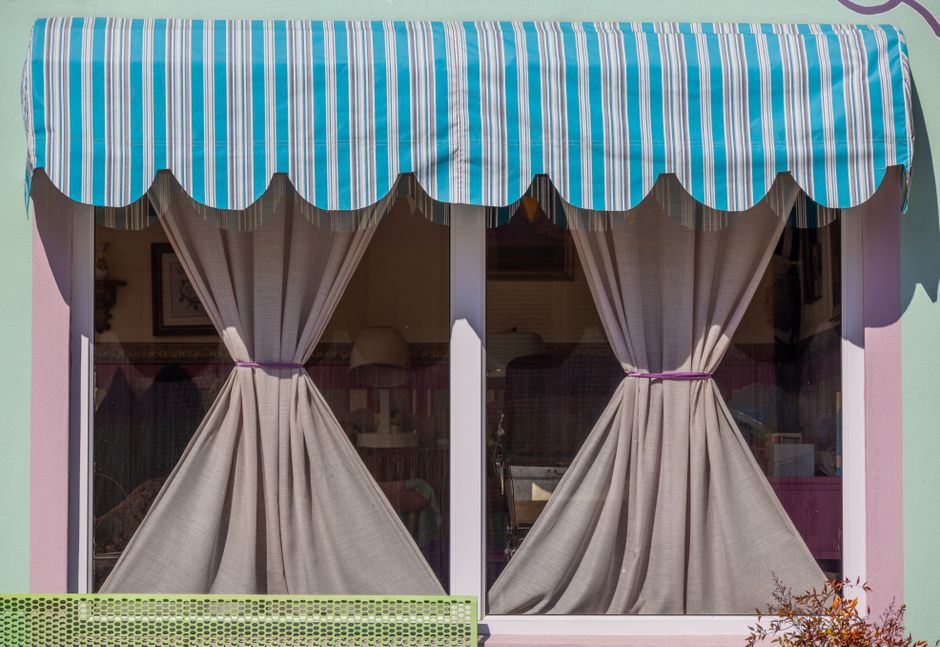
Kitchens call for functional, easy-to-clean curtains. Café-style curtains—short panels that cover just the lower half of the window—are a classic choice. Linen blends have a casual charm, but for low-maintenance, choose a polyester blend that resists stains. In a dining room, you can be more decorative. Consider patterned curtains that pick up a color from your tableware, or textured sheers that filter harsh sunlight during weekend brunches.
Home Office Curtains
With more people working from home, the home office needs a design that minimizes glare and distractions. Acoustic curtains are an excellent investment here, as they reduce background noise and create a quieter workspace. Pair them with adjustable blinds for digital presentations. If your office receives strong afternoon sun, look for curtains with a white thermal backing to keep the room cool and the screen visible.
Color Schemes and Pattern Selection
Color and pattern are powerful tools in curtain design. They can influence mood, perceived space, and even the light composition of a room. Here are some guidelines to help you select the right palette.
- Neutral tones: Beige, gray, and ivory curtains create a timeless foundation that works in almost any interior. They're especially good for minimal or Scandinavian-style spaces.
- Bold hues: Deep greens, navy blues, and burgundy add richness and make the window a focal point. Match them with complementary accent pillows or rugs.
- Patterns: Geometric patterns offer a modern edge, while floral prints evoke a shabby-chic vibe. A patterned curtain works best when the room's other fabrics are solid or understated.
- Stripes: Vertical stripes visually increase ceiling height, while horizontal stripes can make a narrow window appear wider.
- Color psychology: Warm colors like red and orange stimulate energy, while cool tones like blue and green promote calm. Choose accordingly for each room's purpose.
Practical Curtain Design Tips
Beyond aesthetics, there are practical considerations that elevate a curtain design from good to great.
- Hang high: Mount your curtain rod 4-6 inches above the window frame to create the illusion of taller ceilings.
- Consider width: For a full gathered look, the total curtain width should be 2 to 2.5 times the width of your window.
- Length matters: Curtains that just graze the floor look modern and intentional. Pooling fabric on the floor adds a formal, relaxed vibe but requires more maintenance.
- Layer for depth: Combining curtains with blinds or sheers adds dimension and gives you flexible control over light and privacy.
- Don't forget the back tab or grommet: These hanging styles affect the drape. Grommets create casual, even folds, while back tabs offer a tailored, pleated look.
- Think about maintenance: Choose fabrics that align with your lifestyle. If you have kids or pets, machine-washable fabrics like polyester or cotton are more practical than delicate silk or heavy velvet.
Curtain Hardware and Accessories
The hardware you choose is the unseen hero of any curtain design gallery. A well-selected rod, finial, and tieback can dramatically change the overall effect.
| Hardware Type | Best For | Style Impact |
|---|---|---|
| Metal rods | Modern and industrial interiors | Sleek, minimalist, and strong enough for heavy fabrics |
| Wooden rods | Traditional, rustic, or farmhouse style | Warmth and organic texture |
| Tension rods | Rentals or temporary setups | No drilling required, ideal for sheers |
| Tiebacks | All styles | Adds an architectural detail and lets in more light |
When installing, make sure the brackets are anchored to a stud to support the weight. For ceiling-mounted systems, use a track rail for a seamless, hidden hardware look.
Curtain Maintenance and Care
To keep your curtain design gallery looking fresh, regular care is essential. Here are tips tailored to different fabrics:
- Blackout curtains: Vacuum weekly with a soft brush attachment. Spot clean any marks with a damp cloth and mild detergent. Avoid machine washing unless the label says it's safe.
- Sheer curtains: Most sheers are machine washable on a gentle cycle in cold water. Hang them while they're still damp to avoid wrinkles.
- Velvet curtains: Use a garment steamer to remove wrinkles and refresh the pile. Never squeeze or twist velvet when cleaning. Dry cleaning is the safest choice for deep cleaning.
- Acoustic curtains: Once a year, vacuum slowly with a brush attachment on both sides. Some acoustic panels can be wiped with a damp sponge.
Curtain Design Gallery: Real World Applications
Let's look at three industry case studies that showcase the transformative power of curtain design.
Case Study 1: Luxurious Hotel Suite
A boutique hotel wanted to create a serene retreat for guests. They installed triple-layer curtains: a blackout outer layer with a linen-look texture, a sheer middle layer for soft light, and a delicate lace outer accent. The result was a quiet, high-end ambiance that earned guest recommendations for its comfort. Acoustic curtains were added along the wall adjacent to the elevator shaft, significantly damping noise.
Case Study 2: Modern Corporate Office
An open-plan tech office struggled with glare and noise. The solution was floor-to-ceiling acoustic curtains in a muted olive tone. These not only reduced reverberation but also softened the harsh sunlight hitting the monitors. The curtains were hung on a ceiling track that allowed flexible reconfiguration of meeting spaces, combining function with a modern aesthetic.
Case Study 3: Small Apartment Renovation
A tiny city apartment used sheer curtains to visually enlarge its living area. By hanging them from floor to ceiling and allowing them to pool slightly, the designer created a sense of grandeur. Accent panels of blackout velvet in a deep navy framed the windows, providing a striking contrast and a glamorous touch during evening hours.
Conclusion: Creating Your Own Curtain Design Gallery
Your curtain design gallery is a personal exhibition of your style and needs. Start by defining the function—do you need blackout, sheer, velvet, or acoustic? Then, consider the room's lighting, scale, and existing decor. Use the tips in this guide to experiment with height, width, and layering. Whether you choose the ethereal lightness of sheers, the solid comfort of blackout, the plush luxury of velvet, or the quiet focus of acoustic panels, the right curtains will elevate your space to new heights. Browse our collection, visualize the possibilities, and take the first step toward transforming your home.