1. Appearance and Texture
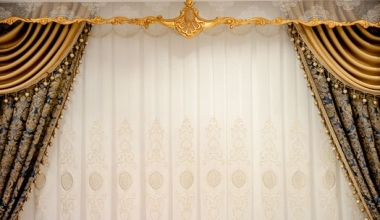
Velvet curtains are known for their luxurious, plush texture and rich depth of color. The fabric has a soft pile that catches light differently, creating a dynamic visual effect that can make a room feel opulent and cozy. Velvet comes in various weights and finishes, from crushed velvet to panne velvet, offering versatility in style. On the other hand, silk curtains exude a natural sheen and smoothness that is unmatched. Silk has a luminous quality, reflecting light gently and adding an airy elegance. Its drape is fluid and graceful, perfect for formal spaces. However, silk is more delicate and can show water spots or yellow with age. The choice between velvet's cozy richness and silk's refined luster depends on the desired ambiance.
Both fabrics come in a wide range of colors, but velvet tends to absorb dye more deeply, resulting in saturated hues, while silk offers soft, lustrous tints. For a traditional or maximalist look, velvet is often preferred; for a minimalist or classic aesthetic, silk may be better. Consider the overall decor and lighting when choosing.
___PROTECTED_1___
2. Light Control and Privacy
Velvet is inherently heavy and dense, making it excellent for blackout purposes. Most velvet curtains are thick enough to block out a significant amount of light, especially if lined. This makes them ideal for bedrooms, home theaters, or any space where darkness is desired. Even unlined velvet provides good privacy due to its weight. Silk, in contrast, is typically lighter and more translucent. While lined silk can offer light control, it is not as effective as velvet in blocking light. Sheer silk curtains allow diffused light, creating a soft, romantic glow but less privacy.
If blackout is a priority, velvet is the clear winner. However, for spaces where you want natural light with a touch of elegance, silk with a lining can strike a balance. Some silk curtains come with blackout linings, but the fabric itself adds less bulk than velvet.
___PROTECTED_2___
3. Durability and Longevity
Velvet is generally more durable than silk, especially in high-traffic areas. Modern velvet fabrics, such as those made from polyester or cotton blends, are resistant to wear and fading. Velvet can handle daily use, sunlight exposure, and cleaning better than silk. Silk is a delicate natural fiber that can be prone to fraying, snagging, and damage from sunlight. Over time, silk may weaken and lose its luster if exposed to direct sunlight without a lining. Velvet also maintains its shape better and is less likely to stretch out.
For long-term use in busy households, velvet is the more practical choice. Silk is better reserved for formal living rooms or bedrooms with low traffic and careful maintenance. With proper care, silk can last many years, but it requires more attention.
4. Maintenance and Care
Velvet curtains are easier to care for than silk. Most velvet fabrics can be vacuumed gently to remove dust, and many are machine-washable if made from synthetics. Dry cleaning is recommended for high-end velvet but not always necessary. Velvet resists wrinkles well and can be steamed. Silk, however, requires dry cleaning or very gentle hand washing. It cannot be machine-washed and is prone to water stains. Silk also fades quickly in direct sunlight and may need to be lined to protect it. Additionally, silk attracts dust and can be damaged by pet urine or spills.
If you prefer low maintenance, velvet is the better option. Silk demands a more hands-on approach but rewards with beauty. For homes with children or pets, velvet is far more forgiving.
5. Thermal Insulation
Velvet provides superior thermal insulation due to its thick pile and weight. It acts as a barrier against cold drafts in winter and helps keep rooms cool in summer by blocking heat. Velvet with a thermal lining can further enhance energy efficiency. Silk, being a natural fiber, has some insulating properties but is not as effective as velvet. Silk curtains are more breathable, which can be beneficial in humid climates but less so for temperature control.
For energy savings and comfort, velvet is the clear choice. Silk may be suitable for moderate climates but lacks the insulating heft of velvet.
6. Acoustic Properties
Velvet is excellent for sound absorption because of its dense, plush texture. It can reduce echo and dampen noise, making it a great choice for home theaters, recording studios, or noisy urban apartments. The thicker the velvet, the better the acoustic performance. Silk, being lightweight and smooth, offers minimal sound deadening. It reflects sound rather than absorbs it, which can actually amplify echoes in large rooms.
If soundproofing is a concern, velvet is significantly better. Silk would need to be paired with heavy lining or used in combination with other materials to achieve similar results.
7. Cost and Value
Velvet curtains are generally more affordable than silk, especially synthetic blends. High-end velvet like silk velvet can be expensive, but many options exist at various price points. Silk is almost always a premium fabric, with natural silk commanding high prices due to labor-intensive production. The cost of silk curtains can be several times that of velvet. However, silk's timeless elegance and natural origin can be seen as an investment.
For budget-conscious buyers, velvet offers better value without sacrificing luxury feel. Silk is for those willing to pay for natural beauty and prestige. Consider long-term costs: velvet's durability may mean fewer replacements, while silk may need more care and eventual replacement.
8. Best Room Applications
velvet is versatile and suits living rooms, bedrooms, dining rooms, and even home offices. Its weight and texture add warmth to large windows and create a cozy atmosphere. Velvet works well in traditional, contemporary, and eclectic styles. Silk is best for formal spaces like dining rooms, formal living rooms, and master bedrooms where elegance is paramount. Silk's sheen complements chandeliers and antique furnishings. However, avoid silk in high-humidity areas like bathrooms or kitchens, as moisture can damage it.
Ultimately, the choice depends on the room's function and style. Velvet for function and comfort, silk for elegance and luxury. Both can be stunning with proper selection.