Designing a nursery is a labor of love. Every detail, from the crib to the wall color, is chosen with both aesthetics and functionality in mind. When it comes to creating the perfect sleep environment for your little one, blackout curtains are an absolute game-changer. But they don't have to be boring! Cute blackout curtains for nursery decor combine essential light-blocking technology with adorable patterns, colors, and textures that enhance the room's theme. In this guide, we'll explore why blackout curtains are a must-have, what features to look for, the cutest styles available, how to measure and install them, and tips for keeping them clean and safe for your baby.
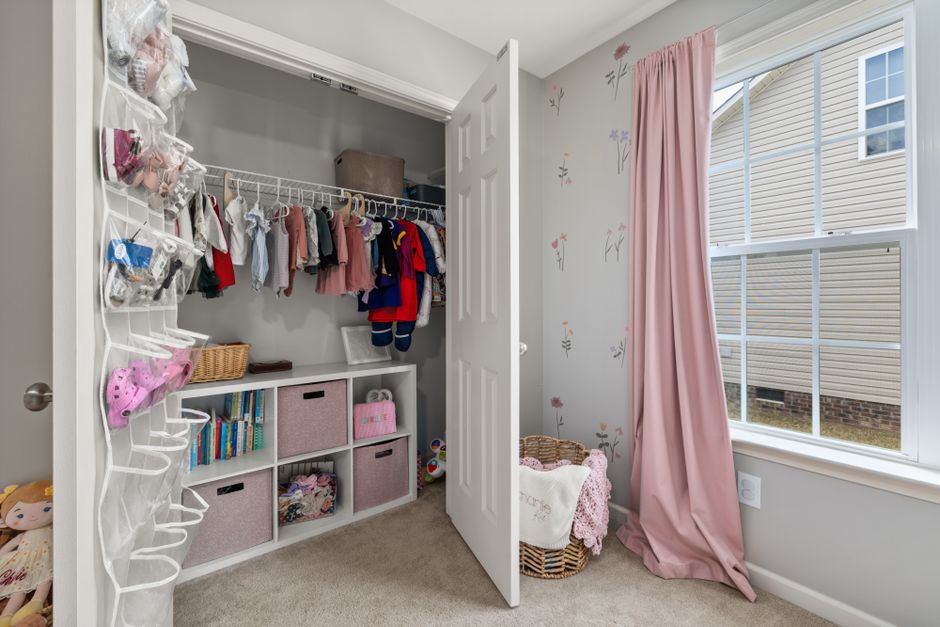
Why Blackout Curtains Are Essential for Nursery
Newborns and infants need plenty of sleep – up to 16-18 hours a day. However, their developing circadian rhythms make them sensitive to light. Blackout curtains help by:
- Promoting deeper sleep: Complete darkness signals the body to produce melatonin, the sleep hormone.
- Regulating nap schedules: Daytime naps become easier when the room is dark, mimicking nighttime conditions.
- Temperature control: Thick blackout fabrics provide insulation, keeping the nursery cooler in summer and warmer in winter.
- Reducing outside noise: Dense materials also help muffle street sounds or neighbor activities.
- Blocking harmful UV rays: Protects your baby's delicate skin and prevents fading of furniture and rugs.
Plus, when combined with a cute design, they become a focal point that ties the whole room together.
___PROTECTED_1___
Key Features to Look for in Cute Blackout Curtains
Not all blackout curtains are created equal. For a nursery, you want the perfect blend of functionality and charm. Here's what to consider:
Fabric and Material
Look for curtains made from thick, woven fabrics like polyester, velvet, or a cotton-polyester blend. Pure blackout curtains often have a triple-weave construction that blocks over 99% of light. Avoid cheap vinyl linings that can off-gas; instead, opt for OEKO-TEX certified fabrics that are free from harmful chemicals.
Light Blocking Efficiency
Check the light-blocking rating. Premium blackout curtains have a construction that blocks 99% or more of external light. For nurseries, even a small sliver of light can disturb a light-sensitive sleeper. Look for curtains with curved rod pockets or side channels to eliminate light leaks.
Safety Features
Safety is paramount in a nursery. Choose curtains that are labeled as flame-retardant or meet CPSC standards. Avoid long cords or tassels that pose a strangulation hazard; instead, opt for cordless designs or those with safe, breakaway tassels. Machine-washable curtains are easier to keep clean in a baby's environment.
Design and Color
Design is where "cute" comes in! Look for patterns like stars, clouds, animals, geometric shapes, or floral prints that complement your nursery theme. Soft pastels (pink, mint, lavender, light blue) are classic, but don't shy away from bold colors with whimsical motifs. Some brands even offer reversible designs for versatility.
___PROTECTED_2___
Top Styles and Patterns for Nursery Blackout Curtains
Here are some popular and adorable choices for cute blackout curtains:
- Woodland Creatures: Foxes, owls, rabbits, and trees create a forest-themed wonderland. Typically in earthy tones like sage, brown, and rust.
- Under the Sea: Whales, fish, and seahorses in shades of blue and teal. Perfect for a nautical or mermaid room.
- Star and Moon Prints: A classic for a celestial nursery. Dark backgrounds with gold or silver stars give a magical feel.
- Geometric Patterns: Triangles, diamonds, or herringbone in muted colors for a modern, gender-neutral look.
- Floral and Botanical: Large blooms or tiny florals add a touch of nature. Pair with a white crib for a fresh aesthetic.
- Animal Alphabet: Educational and cute, each curtain panel might feature different animals corresponding to letters.
- Fairies or Unicorns: For a whimsical room, these fantastical designs in pastel rainbows are a hit.
When selecting, consider the room's overall color palette and theme. Repeating the curtain pattern in other decor elements (like a rug or mobile) creates a cohesive look.
How to Measure and Install Blackout Curtains for Maximum Effect
To ensure complete darkness, proper installation is key. Follow these steps:
- Measure the window: For maximum light blockage, the curtain rod should be installed about 6 inches above the window frame and extend 3-6 inches past each side. The curtain should touch the floor (or puddle slightly) to block light at the bottom.
- Choose the right width: The curtain panel width should be 2-3 times the window width for a generous gather. For blackout purposes, it's better to have one wide panel per window rather than two narrow ones that leave a gap.
- Use a blackout lining or interlining: Some curtains come with a built-in blackout layer; if not, you can add a separate blackout liner that attaches via hooks or magnets.
- Seal light leaks: Use adhesive hook-and-loop tape or magnetic strips to hold the curtain edges against the wall. You can also install a valance to block light from above.
- Consider blackout blinds underneath: For ultimate darkness, combine blackout curtains with cellular shades or a roller blind.
Tip: If you're using a curtain rod, choose one with a return to the wall (curved at the ends) to block light from the sides.
Caring for Your Nursery Blackout Curtains
Babies are messy, so curtains need to be cleaned regularly. Here's how to maintain them:
- Check the care label: Most blackout curtains are machine washable in cold water on a gentle cycle. Use a mild detergent and skip bleach.
- Drying: Tumble dry on low heat or hang to dry. High heat can damage the blackout coating.
- Steaming: Use a handheld steamer to remove wrinkles without taking them down. Steam also freshens the fabric.
- Spot cleaning: For small stains, use a damp cloth with a tiny amount of baby-safe soap.
- Vacuuming: Use the upholstery attachment to remove dust between washes.
To maintain the blackout efficiency, avoid fabric softeners which can coat the lining and reduce light blockage.
Budget-Friendly vs. Premium Options
| Feature | Budget-Friendly | Premium |
|---|---|---|
| Price per panel | $15 - $30 | $40 - $100+ |
| Light blockage | 85-95% | 99%+ |
| Fabric quality | Polyester, basic weave | Cotton blends, velvet, triple-weave |
| Designs | Solid colors, simple prints | Unique patterns, custom prints |
| Safety certifications | Often flame retardant | OEKO-TEX, Greenguard Gold |
| Lining | Coated back | Separate blackout interlining |
For a nursery, if you can afford premium, it's worth the investment for better light blocking and safety. However, budget-friendly options can work if you add a liner.
Frequently Asked Questions (FAQ)
Are blackout curtains safe for babies?
Yes, as long as they are flame-retardant and cordless. Always hang them out of reach from the crib.
Can I use blackout curtains in a shared room?
Absolutely! They are great for creating a dark sleep environment for the baby while allowing activities in other parts of the room.
How many panels do I need?
For a standard window, one wide panel (about 2x the width) is sufficient. For French doors or wide windows, two panels may be needed.
Do blackout curtains block all light?
No curtain blocks 100% of light, but high-quality ones block 99%+. Small gaps around the edges can still let in light, so seal them properly.
Can I sew my own cute blackout curtains?
Yes! You can buy blackout lining fabric and attach it to any cute curtain fabric with a simple sew or iron-on hem.
Designing a nursery is one of the most joyful projects for expecting parents. With cute blackout curtains, you're not only creating a beautiful room but also setting the stage for healthy sleep habits that benefit both baby and parents. Invest in quality, choose a pattern that makes you smile, and your nursery will be both adorable and functional.