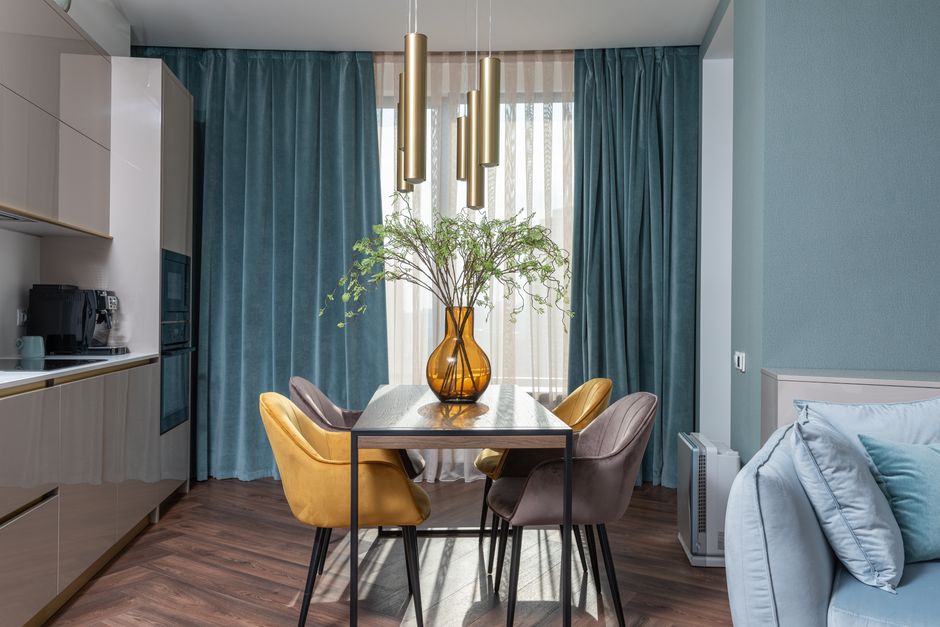
Velvet vs Polyester Curtains: A Comprehensive Comparison
Choosing the right curtain fabric can transform a room, but with so many options available, it's easy to feel overwhelmed. Two popular contenders are velvet and polyester curtains. Velvet exudes luxury and warmth, while polyester offers practicality and affordability. In this in-depth guide, we'll compare velvet vs polyester curtains across key factors like appearance, light control, insulation, maintenance, durability, and cost. By the end, you'll know which fabric best suits your needs and lifestyle.
___PROTECTED_1___
Material and Construction
Velvet Curtains
Velvet is a woven fabric with a dense, soft pile that gives it a plush texture. Traditionally made from silk, modern velvet is often crafted from cotton, rayon, or synthetic blends. The pile is created by cutting loops or using a special weaving technique, resulting in a rich, lustrous appearance. Velvet curtains are heavy and drape beautifully, adding a sense of opulence to any space.
Polyester Curtains
Polyester is a synthetic fiber derived from petroleum. It’s durable, wrinkle-resistant, and holds its shape well. Polyester curtains are often woven into a variety of textures, from smooth satin weaves to matte finishes. They can mimic the look of natural fabrics like cotton or linen at a fraction of the cost. Polyester is also commonly blended with other fibers to enhance performance.
___PROTECTED_2___
Appearance and Aesthetic
Velvet curtains make a bold statement. Their rich texture and light-reflecting properties create depth and drama, making them ideal for formal living rooms, bedrooms, or theaters. Velvet comes in deep, saturated colors like emerald green, navy blue, and burgundy, as well as pastels and neutrals. The fabric’s natural luster adds a touch of glamour.
Polyester curtains offer versatility in style. From sleek, modern panels to elegant pleated drapes, polyester can be manufactured to look like silk, linen, or cotton. It holds color well and resists fading, but the texture is generally less luxurious than velvet. Polyester is a great choice for casual or contemporary spaces where easy maintenance is a priority.
Light Blocking and Privacy
Both fabrics can be effective at blocking light, but the degree depends on the weave and lining. Velvet’s dense pile naturally blocks a significant amount of light, making it a popular choice for blackout curtains. Unlined velvet typically provides good light reduction, but for complete darkness, opt for a blackout lining.
Polyester curtains vary widely. Lightweight polyester sheers offer minimal light control, while heavier, tightly woven polyester panels can block up to 90% of light. For maximum light blockage, choose blackout polyester curtains with a foam backing or a dark lining. Polyester is also less likely to fade in sunlight compared to velvet.
| Feature | Velvet | Polyester |
|---|---|---|
| Light Blocking | Excellent (with lining) | Good to excellent (varies by weave) |
| Insulation | Superior (heavy fabric) | Moderate (thermal options available) |
| Noise Reduction | Good (dense fabric absorbs sound) | Fair (thinner fabrics less effective) |
Insulation and Energy Efficiency
Velvet curtains are excellent insulators due to their heavy weight and thick pile. They trap air, reducing heat loss in winter and keeping rooms cooler in summer. This can lower energy bills and improve comfort. For best results, hang velvet curtains close to the window and let them pool on the floor.
Polyester curtains offer moderate insulation. Standard polyester panels provide some thermal barrier, but for energy efficiency, look for thermal-lined or blackout polyester curtains. These have additional layers that block drafts and reduce heat transfer. Polyester is also lighter, so it may not provide the same level of insulation as velvet.
Maintenance and Care
Velvet curtains require special care. They are prone to crushing and water stains, so avoid machine washing. Instead, dry clean velvet to maintain its pile and luster. Vacuum gently with a soft brush attachment to remove dust. Steaming can help remove wrinkles, but avoid direct contact with the velvet.
Polyester curtains are incredibly low-maintenance. Most are machine washable in cold water and can be tumble dried on low. They resist wrinkles, shrinking, and mildew. Polyester dries quickly and doesn’t require ironing in most cases. This makes polyester ideal for high-traffic areas, children’s rooms, or rental properties.
Durability and Longevity
Velvet is durable but can show wear over time, especially on high-contact areas like folds and edges. The pile may flatten or crush, and sunlight can cause fading. With proper care, high-quality velvet curtains can last many years, but they are not suitable for sunny, high-traffic spots.
Polyester is extremely durable. It resists stretching, shrinking, and abrasion. It’s also UV-resistant, making it a good choice for rooms with direct sunlight. Polyester curtains can withstand frequent washing and maintain their appearance for years. They are a practical, long-lasting investment.
Cost Comparison
Velvet curtains are generally more expensive due to the luxurious material and manufacturing process. Prices can range from $50 to over $200 per panel, depending on quality and brand. Higher-end velvet (e.g., silk or cotton velvet) costs more.
Polyester curtains are budget-friendly, typically ranging from $15 to $80 per panel. Even premium thermal or blackout polyester panels are affordable. For cost-conscious shoppers, polyester offers excellent value without sacrificing style.
Best Use Cases
When to Choose Velvet Curtains
- Formal living or dining rooms where luxury is key
- Bedrooms that need superior light blocking and insulation
- Home theaters or media rooms (velvet also helps absorb sound)
- Spaces with low humidity and minimal direct sunlight
- Design-forward interiors where texture is important
When to Choose Polyester Curtains
- Everyday family rooms, kitchens, or bathrooms
- Children’s rooms or dormitories (easy to clean)
- Rental apartments or temporary spaces
- Sunny rooms where UV resistance is needed
- Budget-conscious projects without sacrificing style
Practical Tips for Choosing
Tip 1: Consider the room’s purpose. For a cozy bedroom, velvet’s insulation and light-blocking are hard to beat. For a busy living room with kids and pets, polyester’s durability wins.
Tip 2: Check the lining. Both fabrics can be upgraded with thermal or blackout linings for improved performance.
Tip 3: Test the texture. Velvet feels sumptuous but attracts dust and pet hair. Polyester is smoother and less likely to trap allergens.
Tip 4: Look at the weight. Heavy velvet requires sturdy curtain rods and brackets. Polyester is lighter and easier to install.
Tip 5: Think about cleaning frequency. If you prefer low-maintenance, polyester is the clear winner.
Frequently Asked Questions
Can polyester curtains look as luxurious as velvet?
Modern polyester can mimic the look of velvet, but it won’t have the same depth or rich handfeel. For a high-end look on a budget, opt for a high-quality polyester velvet or a blend.
Are velvet curtains suitable for humid climates?
Velvet can be prone to mold and mildew in high humidity. Use a dehumidifier and avoid velvet in bathrooms or damp basements.
Do polyester curtains shrink in the wash?
Most polyester fabrics are pre-shrunk and resist shrinking. Always check the care label and wash in cold water to be safe.
Conclusion: Making Your Choice
velvet and polyester curtains both have their strengths. Velvet offers timeless elegance, superior insulation, and a plush feel that can elevate any room. Polyester delivers affordability, easy care, and durability that fits modern lifestyles. Your decision should hinge on your priorities: if you crave luxury and don’t mind extra care, go with velvet. If practicality and value are key, polyester is an excellent choice. For many rooms, a mix of both fabrics could be the perfect solution—velvet for a statement window, polyester for the rest of the home. Whichever you choose, quality curtains will enhance your space for years to come.