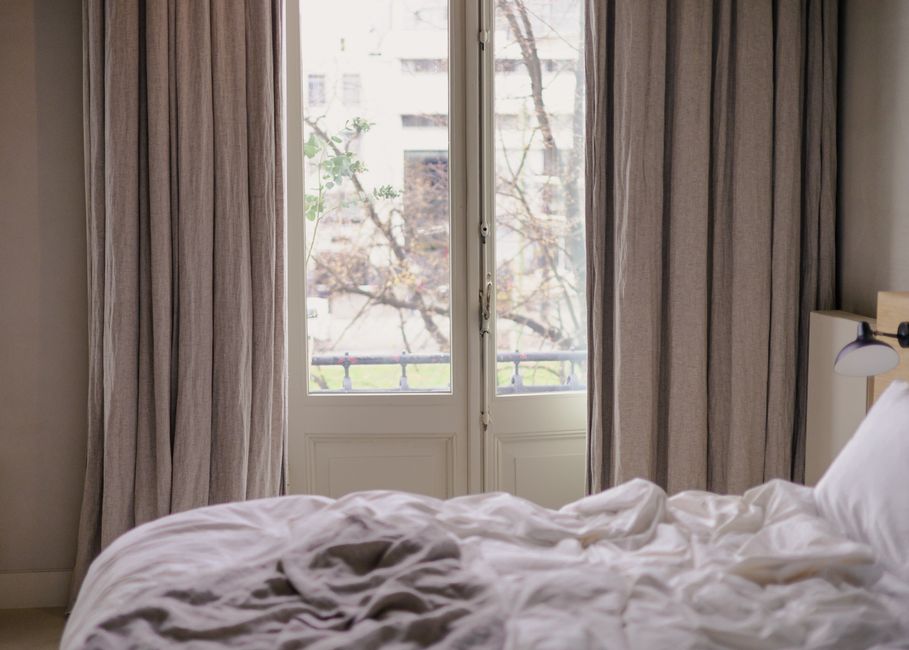
Introduction to Linen and Cotton Curtains
Choosing the right fabric for curtains can dramatically affect both the aesthetics and functionality of a room. Two of the most popular natural fiber options are linen and cotton. While both offer breathability and a timeless look, they have distinct differences in texture, durability, light control, and maintenance. This guide will help you decide which fabric best suits your needs, whether you’re decorating a cozy living room, a formal dining area, or a sun-drenched bedroom.
___PROTECTED_1___
Fabric Characteristics: Linen vs Cotton
Linen: Texture and Appearance
Linen is derived from the flax plant and is known for its slightly irregular, slubby texture. This natural variation gives linen curtains a relaxed, organic look that softens over time. Linen has a crisp hand feel but becomes softer with each wash, developing a lived-in charm. It is highly absorbent, making it ideal for humid climates, and it has a natural luster that catches light beautifully.
Cotton: Smooth and Versatile
Cotton curtains are made from the soft fibers of the cotton plant. They have a smoother, more uniform texture than linen and come in a wider range of weaves, from percale to sateen. Cotton is incredibly versatile, easily dyed in vivid colors or printed with complex patterns. It doesn’t have the same natural sheen as linen but offers a clean, crisp appearance that works in both traditional and modern interiors.
___PROTECTED_2___
Durability and Longevity
When investing in curtains, you want them to last. Linen fibers are stronger than cotton fibers, but linen’s strength comes with a trade-off: it is less elastic and more prone to creasing. High-quality linen can last for decades if cared for properly, though it may show wear along folds over time. Cotton, while not as inherently strong as linen, is still durable and holds up well to frequent washing. However, cotton can fade more quickly in direct sunlight compared to linen, which has better UV resistance due to its natural structure.
Light Control and Privacy
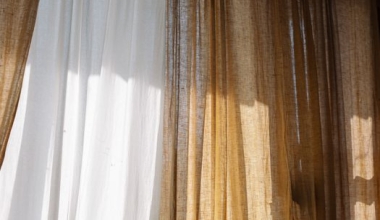
Both fabrics are natural and breathable, but their light-filtering abilities differ based on weave and weight. Lightweight linen weaves (like handkerchief linen) allow soft diffused light while offering some privacy. Heavier linen weaves provide greater opacity. Cotton curtains can be woven more tightly, offering better blackout potential when lined. For maximum light control, consider lined options: a cotton curtain with a blackout lining is often more effective than unlined linen. Table below compares typical light transmission:
| Fabric Type | Weave Density | Light Filtering | Privacy Level |
|---|---|---|---|
| Linen (lightweight) | Loose | 30-50% | Moderate |
| Linen (medium weight) | Medium | 15-30% | Good |
| Cotton (unlined) | Tight | 10-20% | Good |
| Cotton (blackout lined) | N/A | <5% | Excellent |
Insulation and Energy Efficiency
Both linen and cotton are natural insulators, but their effectiveness depends on thickness and construction. Linen has a higher thermal conductivity than cotton, meaning it can feel cooler to the touch—ideal for warm climates. However, for energy efficiency, heavier cotton curtains with a thermal lining outperform linen in reducing heat loss during winter. In summer, both fabrics help keep rooms cool by blocking direct sunlight, but linen’s breathability allows better air circulation.
Maintenance and Care
Caring for linen and cotton curtains requires different approaches. Linen is prone to wrinkling and may need ironing or steaming to look crisp. It can be machine washed on a gentle cycle, but avoid high heat drying as it can cause shrinkage. Cotton is generally easier to care for; it can be machine washed and tumble dried on low heat, though some shrinkage is possible. Both fabrics benefit from gentle detergents and should be kept out of direct sunlight to prevent fading. Tip: For linen, embrace the wrinkles—they add character—but if you prefer a smooth look, hang them while still damp.
Cost and Value
Linen curtains are typically more expensive than cotton due to the labor-intensive harvesting process and lower yield per acre. High-quality linen can cost 2-3 times more than good cotton. However, linen’s longevity may offset the initial investment. Cotton offers a more budget-friendly option without sacrificing style, especially if you choose blends (e.g., cotton-polyester) that resist wrinkles and fading.
Style and Aesthetic Impact
The choice between linen and cotton often comes down to the look you want. Linen exudes a casual, European elegance—perfect for rustic, coastal, or minimalist interiors. Its natural texture adds depth and softens hard edges. Cotton, on the other hand, can be tailored for a more formal appearance, especially in heavy damask or sateen weaves. Cotton also takes dye better, allowing for vibrant, saturated colors that stay true over time.
Practical Tips for Choosing
- For high humidity areas: Linen resists mold better than cotton due to its moisture-wicking properties.
- For rooms needing darkness: Choose cotton with a blackout lining, or consider a double-track system combining linen sheers with cotton blackouts.
- For low-maintenance: Cotton wrinkle-resistant blends are easier to care for than pure linen.
- For a airy, natural look: Linen sheers create soft light diffusion; cotton sheers are less breathable.
- For longevity: Look for washed linen (pre-washed) that won’t shrink further, and preshrunk cotton.
Industry Applications
Both fabrics see wide use in residential and commercial settings. Linen is favored in high-end hotels and spas for its luxurious feel and natural aesthetic. Cotton is the go-to for hospitals and schools due to its easy care and affordability. In retail spaces, linen creates an upscale ambiance, while cotton offers durability and color consistency for branding.
Final Verdict
Neither linen nor cotton is universally superior—the best choice depends on your priorities. Choose linen if you value natural texture, breathability, and are okay with some wrinkles and higher cost. Choose cotton if you prefer smoothness, easier maintenance, and a wider price range. For the best of both worlds, consider a blend of linen and cotton, which combines linen’s aesthetics with cotton’s durability. Whichever you pick, both fabrics will bring warmth and elegance to your space.