1. The Thermal Properties of Velvet Fabric
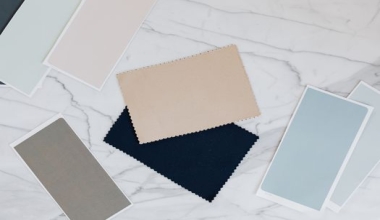
Velvet is renowned for its dense pile and luxurious feel, but its thermal properties are equally impressive. The thick, tightly woven fibers create a barrier that slows down heat transfer. Unlike lightweight fabrics, velvet's structure traps air within its fibers, forming an insulating layer. This makes it an excellent choice for retaining warmth during winter. Additionally, the fabric's weight adds to its ability to block drafts, keeping rooms cozier without the need for excessive heating.
The type of velvet also matters. Cotton velvets, while breathable, offer moderate insulation. Polyester blends and crushed velvet provide better heat retention due to their synthetic fibers that resist moisture and maintain loft. For maximum warmth, opt for a heavy-weight velvet with a high thread count. The plush surface also reduces radiant heat loss, meaning the curtains feel warm to the touch even in cold rooms.
___PROTECTED_1___
2. How Velvet Curtains Reduce Heat Loss
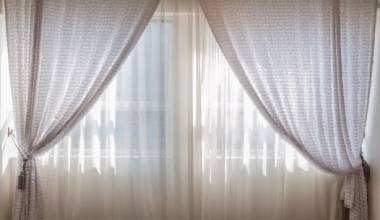
Heat loss through windows accounts for up to 30% of a home's energy waste. Velvet curtains combat this by creating a physical barrier. When drawn, they trap a layer of still air between the fabric and the window. This air pocket acts as an insulator, reducing convection currents that carry warmth away. The dense pile also absorbs and radiates heat back into the room, preventing cold drafts from seeping through.
To maximize this effect, ensure curtains extend below the window sill and touch the floor. Use a pelmet or valance to seal the top gap, as warm air rises and escapes easily. Pairing velvet with a thermal lining amplifies insulation by reflecting heat inward. In tests, properly installed velvet curtains can reduce heat loss by up to 25%, making them a cost-effective winter upgrade.
___PROTECTED_2___
3. The Importance of Proper Lining for Insulation
A velvet curtain alone provides decent insulation, but adding a lining transforms it into a thermal powerhouse. Choose a lining with a reflective metallic layer, such as aluminized polyester. This reflects radiant heat back into the room while the velvet exterior blocks conductive heat loss. Alternatively, a thick flannel or cotton lining adds bulk and traps more air.
Blackout linings offer dual benefits: they darken the room and enhance insulation. The combination of velvet face and blackout back creates a multi-layer barrier. For extreme cold, consider interlining—a separate layer of insulating fabric sandwiched between the velvet and lining. This triple-layer approach can achieve an R-value comparable to some insulated window panels.
| Lining Type | Insulation Benefit | Best For |
|---|---|---|
| Reflective Thermal | High – reflects heat | Very cold climates |
| Blackout | Medium – blocks light and drafts | Bedrooms and media rooms |
| Cotton Flannel | Moderate – adds weight | Mild winters |
4. Comparing Velvet to Other Winter Curtain Materials
While velvet excels at insulation, other materials have their strengths. Wool curtains are naturally insulating but heavier and more expensive. Thermal drapes often use multiple layers of synthetic fibers, but lack the aesthetic appeal of velvet. Velvet strikes a balance: it is dense enough to reduce heat loss yet soft and elegant. Polyester velvet is budget-friendly and retains shape well, while silk velvet offers luxury but less thermal efficiency.
Here’s a quick comparison: velvet has a higher thermal resistance (R-value) than cotton or linen. It outperforms sheer fabrics entirely. Compared to suede or faux fur, velvet is easier to maintain and less prone to shedding. For an eco-friendly option, recycled velvet blends provide warmth without harming the environment. Ultimately, velvet’s combination of style and function makes it a top contender for winter curtains.
5. Installation Tips for Maximum Insulation
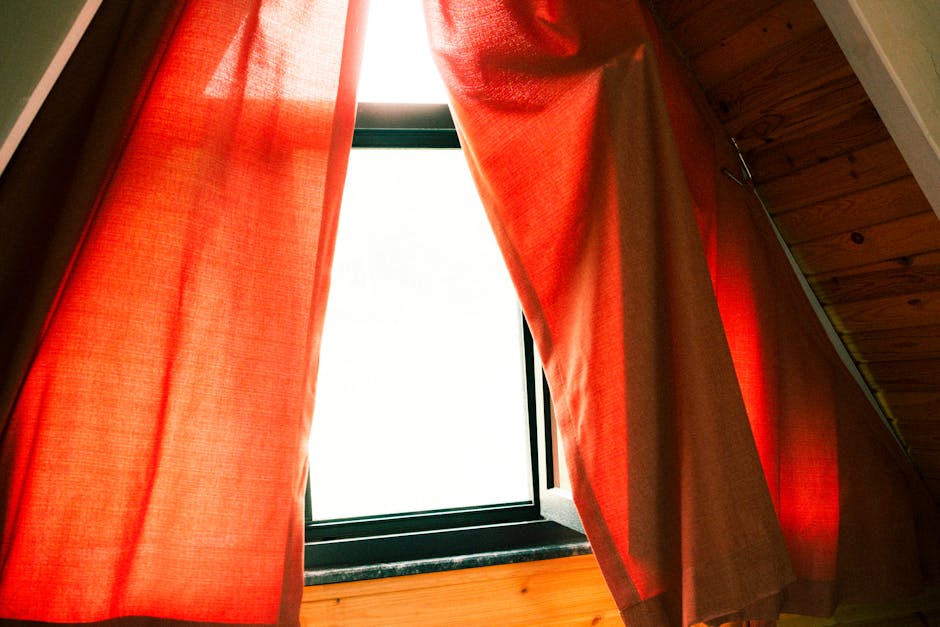
Proper installation is crucial. Mount the curtain rod as close to the ceiling as possible and extend it beyond the window frame by at least 6 inches on each side. This prevents heat from escaping around the edges and allows the curtains to stack without blocking glass. Use ceiling-mounted brackets for added height. Ensure the curtain touches the floor to stop drafts from the bottom.
Consider using a double rod: one for the velvet curtain and another for a sheer layer. The sheer can provide daytime light while the velvet insulates at night. For sliding doors, use floor-to-ceiling velvet panels on a track system. Add a magnetic or weighted hem to keep curtains against the wall. Seal any gaps with draft snakes or foam tape. These adjustments can improve insulation efficiency by 15–20%.
6. Combining Velvet Curtains with Other Winter Solutions
Velvet curtains work best as part of a holistic winter strategy. Pair them with cellular shades or honeycomb blinds for an air-trapping pocket. The shades’ honeycomb structure adds insulation, while the velvet provides a decorative layer. Alternatively, install a winter window film over the glass to reduce heat loss before hanging curtains.
In extreme cold, layer velvet with insulated Roman shades. The combination can boost R-value significantly. Also, use draft stoppers at windowsills and door frames. For large windows, consider motorized velvet curtains that close automatically at sunset. Smart home integration allows you to maximize insulation when needed. By layering solutions, you create a cozy, energy-efficient home without sacrificing style.
7. Maintenance Tips to Preserve Insulation Efficiency
velvet’s insulating properties diminish if not maintained. Dust and dirt clog the fibers, reducing air trapping. Vacuum curtains every two weeks using a soft brush attachment. For deep cleaning, dry clean or gently hand wash with cold water (check care label). Avoid harsh detergents that strip natural oils. Steam cleaning can refresh velvet without shrinking it.
Over time, the pile may flatten, especially at edges. Use a fabric steamer to fluff the fibers, restoring loft. Rotate or reposition curtains periodically to ensure even wear. If the lining becomes detached, re-stitch it to maintain the thermal barrier. Proper care ensures your Velvet Curtains remain effective insulators for years, saving energy and keeping your home warm winter after winter.