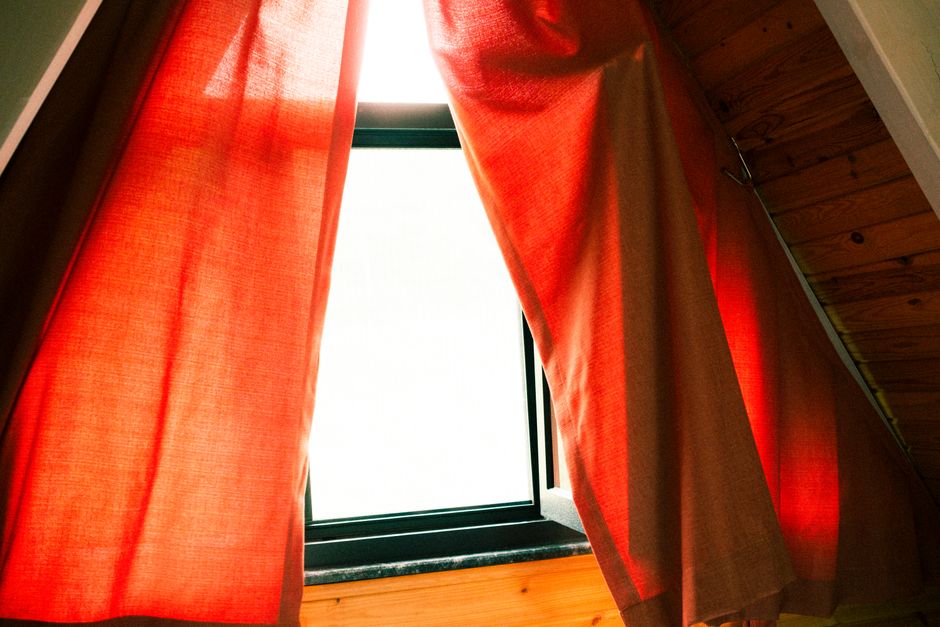
Understanding Velvet Curtain Linings: What They Are and Why They Matter
Velvet curtains exude luxury, but their performance hinges on the lining you choose. A lining is an additional layer of fabric sewn behind the curtain face. It protects the velvet from sun damage, adds weight for better draping, and can provide specific benefits like blackout, thermal insulation, or purely decorative contrast. Choosing the right lining transforms your velvet curtains from mere decoration into a functional asset for your home.
___PROTECTED_1___
Blackout Linings for Velvet Curtains: Complete Darkness and Energy Efficiency
Blackout linings are designed to block virtually all external light. They are typically made from a tightly woven fabric coated with a light-blocking layer, often acrylic or foam. For velvet curtains, blackout linings are ideal for bedrooms, home theaters, and any space where light control is critical.
How Blackout Linings Work
The lining is opaque and often has a dark color (like black or charcoal) to absorb any light that penetrates. The coating prevents light from passing through the weave. When combined with the dense pile of velvet, blackout curtains can achieve nearly 100% light blockage. Additionally, the lining adds an insulating layer, helping to keep rooms warmer in winter and cooler in summer, which reduces energy costs.
Best Use Cases for Blackout Velvet
- Bedrooms: Ensure undisturbed sleep, especially for shift workers or light-sensitive sleepers.
- Home theaters: Eliminate glare on screens.
- Nurseries: Create a dark environment for naps.
- Living rooms with south-facing windows: Reduce heat gain and fading of furniture.
| Lining Material | Light Blockage | Insulation | Cost | Durability |
|---|---|---|---|---|
| Foam-coated polyester | 99% | High | $$ | Good |
| Acrylic-coated | 95-99% | Moderate | $ | Fair |
| Triple-weave blackout | 100% | Very High | $$$ | Excellent |
___PROTECTED_2___
Thermal Linings: Insulating Your Home with Velvet
Thermal linings focus on temperature regulation. They are often made from thicker materials like flannel, fleece, or a special insulating layer (e.g., foam or wool). For velvet curtains, thermal linings add substantial weight and enhance the fabric's natural insulating properties. They are perfect for drafty windows, extreme climates, or rooms where comfort is paramount.
How Thermal Linings Regulate Temperature
The lining traps air between the window and the room, creating a barrier that slows heat transfer. In winter, it keeps warm air inside; in summer, it reflects heat away. A thermal lining can improve a curtain's R-value (thermal resistance) significantly. Some thermal linings also include a vapor barrier to prevent condensation on windows.
Energy Savings and Comfort
According to the U.S. Department of Energy, curtains with thermal linings can reduce heat loss by up to 25% in winter. This translates to lower heating bills and a more consistent indoor temperature. Additionally, the extra weight of thermal linings helps velvet curtains hang beautifully, with fewer wrinkles.
Decorative Linings: Enhancing Aesthetics
Not all linings are about function. Decorative linings are chosen for their appearance—they add a contrasting color, pattern, or texture that becomes visible when curtains are open or drawn back. For velvet curtains, a decorative lining can transform the look, adding depth and personality.
When to Choose Decorative Over Functional
Consider decorative linings when your primary goal is aesthetic, not utility. This works well in formal living rooms, dining rooms, or spaces where light control isn't critical. You might opt for a satin or silk lining in a complementary hue, or even a patterned cotton that peeks out. Decorative linings are also lighter, making curtains easier to draw.
Matching Linings to Velvet Colors
- For dark velvet (navy, charcoal): choose a lighter lining (ivory, gold) for contrast.
- For light velvet (blush, cream): a deep lining (burgundy, forest green) creates a striking reveal.
- For bold colors (emerald, ruby): consider a neutral lining (beige, grey) to avoid clashing.
- Patterned linings: use sparingly; they work best when the curtain is often tied back.
Blackout vs. Thermal vs. Decorative: Which Lining is Right for You?
The decision depends on your priorities. Here's a direct comparison to help you choose.
| Feature | Blackout Lining | Thermal Lining | Decorative Lining |
|---|---|---|---|
| Primary Benefit | Light blockage | Temperature insulation | Aesthetics |
| Energy Efficiency | Moderate (adds some insulation) | High (R-value) | Low |
| Light Control | Excellent (95-100%) | Moderate (some blockage) | Poor (sheer lining may let light through) |
| Privacy | High | High | Varies (can be sheer or opaque) |
| Weight | Medium to heavy | Heavy | Light to medium |
| Cost | Medium | Medium-High | Low-Medium |
| Best For | Bedrooms, home theaters | Drafty rooms, extreme climates | Living rooms, decorative spaces |
Practical Tips for Choosing and Installing Velvet Curtain Linings
- Measure carefully: Linings should be slightly narrower than the face fabric to avoid bunching. Allow extra width for pleats.
- Consider interlining: For maximum benefits, some homeowners add an interlining (a fluffy layer) between the velvet and lining. This boosts insulation and blackout without sacrificing drape.
- Check care instructions: Velvet is delicate; ensure your lining can be dry-cleaned or hand-washed similarly. Avoid linings that shrink.
- Test light leakage: Hold the lined fabric up to a window before finalizing. Look for pinprick light spots around seams.
- Professional sewing: If DIY, use a walking foot on your sewing machine to prevent velvet slipping. For best results, hire a professional curtain maker.
- Mounting: Install curtain rods close to the ceiling and extend beyond the window frame to maximize light blockage and insulation.
In conclusion, velvet curtain linings are not one-size-fits-all. Blackout linings deliver darkness and some energy savings; thermal linings excel at temperature control; decorative linings prioritize style. Assess your room's needs, your budget, and your aesthetic vision. With the right lining, your Velvet Curtains will look stunning and perform perfectly. Visit our curtain fabric guide for more details on fabrics and linings.