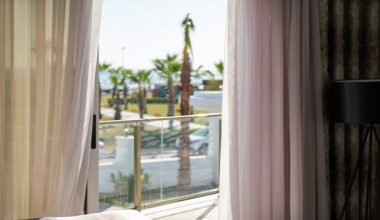
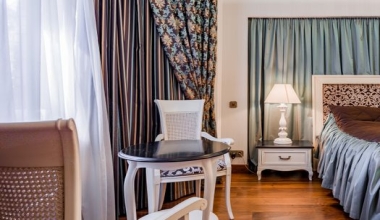
In the competitive hospitality industry, every detail contributes to guest satisfaction and operational efficiency. One often overlooked element that can significantly impact both comfort and costs is window treatment. Thermal curtains for hotels are a strategic investment that not only enhances the aesthetic appeal of guest rooms and common areas but also provides substantial energy savings. By insulating windows against heat loss in winter and heat gain in summer, these curtains help maintain a stable indoor temperature, reduce reliance on HVAC systems, and lower utility bills. This comprehensive guide explores everything you need to know about selecting, installing, and maintaining thermal curtains in a hotel setting.
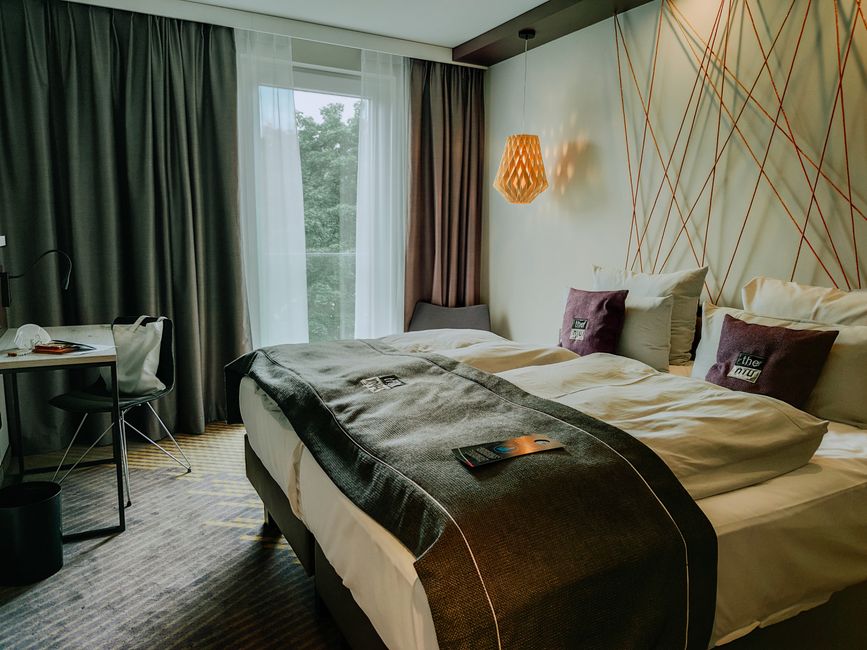
Why Thermal Curtains Matter for Hotels
Hotels face unique challenges when it comes to climate control. Guest rooms are vacated and reoccupied frequently, doors open and close, and large windows often lead to drafts and temperature fluctuations. Traditional curtains may offer some privacy and light control, but they lack the insulating properties necessary for energy efficiency. Thermal curtains, often lined with foam, flannel, or specialized reflective materials, create a barrier that minimizes heat transfer. This means warmer rooms in winter, cooler rooms in summer, and less strain on heating and cooling systems. For hotel owners, that translates directly into lower energy costs and a smaller carbon footprint. Additionally, thermal curtains reduce outside noise—a major plus for urban hotels—and block out light to improve sleep quality for guests.
___PROTECTED_1___
Key Benefits of Thermal Curtains in Hospitality
Investing in thermal curtains offers multiple advantages beyond energy savings:
- Improved Guest Comfort: Consistent room temperatures and reduced drafts lead to higher satisfaction scores and repeat bookings.
- Noise Reduction: Dense thermal fabrics dampen street noise, creating a quiet sanctuary for guests.
- Light Control: Many thermal curtains also function as blackout curtains, crucial for hotels near bright streetlights or in areas with long summer days.
- Cost Savings: Reduced HVAC usage can lower energy bills by up to 25% according to some studies, depending on climate and window quality.
- Aesthetic Versatility: Available in a wide range of colors, textures, and styles, thermal curtains can complement any hotel decor.
___PROTECTED_2___
Types of Thermal Curtain Fabrics for Hotels
Not all thermal curtains are created equal. The fabric and lining determine performance and appearance. Here are the most popular options for hotels:
Blackout Curtains
Blackout curtains are coated or lined with a material that blocks virtually all light. They are ideal for guest bedrooms and conference rooms where complete darkness is desired. Many blackout curtains also offer excellent thermal insulation because the thick lining traps air. Look for triple-weave construction, which combines a decorative face fabric, a blackout interlayer, and a thermal backing. Hotels often choose blackout curtains in neutral tones to match corporate branding while maximizing energy efficiency.
Velvet Curtains
Velvet is a luxurious fabric that naturally provides good insulation due to its dense pile. Thermal velvet curtains are often lined with an additional foam or flannel layer to boost their R-value. They add a sense of opulence to lobbies, dining rooms, and high-end suites. Velvet’s weight also helps with sound absorption, making it a dual-purpose choice. Maintenance requires care—dry cleaning is recommended—but the payoff in ambiance and energy savings is worth it.
Acoustic Curtains
Acoustic curtains are specially designed to reduce noise transmission. They are usually made from thick, mass-loaded vinyl or dense polyester layers. While primarily for sound control, they also offer significant thermal benefits because of their weight and multilayered structure. Hotels near airports, highways, or nightlife districts can use acoustic curtains to improve guest sleep quality while keeping energy costs down. Many come in fire-retardant finishes, an important safety feature for commercial spaces.
Sheer Curtains with Thermal Linings
Sheer curtains alone are not thermal, but when paired with a separate thermal liner, they offer an elegant solution. The sheer layer diffuses light and provides privacy, while the liner—such as a white thermal backing—blocks heat transfer. This combination is popular in hotel lobbies and restaurants where natural light is desired during the day but insulation is still needed. Hotels can use track systems to separate the layers, allowing staff to adjust light and temperature independently.
How Thermal Curtains Reduce Energy Costs
The science behind thermal curtains is simple: they add a layer of insulation to the window area. Windows are often the weakest point in a building’s thermal envelope. In winter, heat escapes through the glass, and cold air seeps in. In summer, solar radiation heats the interior. Thermal curtains create a dead air space between the fabric and the window, which acts as a buffer. Additionally, reflective backings can bounce heat back into the room in winter or reject radiant heat in summer.
To maximize savings, hotels should choose curtains with an appropriate R-value. A higher R-value means better insulation. For commercial use, look for curtains with a minimum R-value of 4.0. Also consider the fit: curtains should be floor-length and extend beyond the window frame to prevent air leakage. Proper installation using a ceiling-mount track can seal off the window zone entirely.
Case studies show that a 200-room hotel can save thousands annually by outfitting guest rooms with thermal curtains. Paired with smart thermostats, these savings increase further. Some utility companies even offer rebates for energy-efficient window treatments.
Choosing the Right Thermal Curtains for Your Hotel
Selecting thermal curtains involves balancing performance, aesthetics, budget, and maintenance. Follow these practical tips:
- Assess Your Windows: Measure window size, orientation (south-facing gets more sun), and existing framing. For large windows, consider custom-made curtains for a perfect fit.
- Consider Fire Safety: Commercial curtains must meet flame-retardant standards (NFPA 701 in the US or similar). Request certifications from suppliers.
- Pick a Color and Texture: Lighter colors reflect heat, while darker colors absorb it. For thermal purposes, the lining matters more than the face fabric. Choose easy-to-clean fabrics like polyester blends for high-traffic areas.
- Layering Options: Use a combination of sheers and blackout curtains to offer guests flexibility. Motorized drapes add a modern touch and can be integrated with window sensors.
- Test Samples: Order fabric swatches to check light blockage, thermal feel, and how they look under hotel lighting.
Installation and Maintenance Tips
Proper installation is critical for thermal curtains to perform. Mount them as close to the ceiling as possible to trap air above the window. Use wrap-around brackets if you want the curtains to hug the wall. For bay windows, consider a custom curved track. Make sure the curtains touch the floor or slightly puddle to prevent cold air from entering underneath.
Maintenance: Hotels should vacuum curtains regularly to remove dust and allergens. For deeper cleaning, follow the manufacturer’s instructions—most thermal curtains are dry-clean only. Inspect linings annually for wear; if the thermal layer starts to delaminate, replacement is needed. Hotels can rotate curtains between seasons to prolong life.
Conclusion: A Smart Investment for Hotel Profitability
Thermal curtains for hotels are not just a decorative upgrade—they are a practical tool for enhancing guest experience and driving operational savings. By choosing the right fabric, ensuring proper installation, and maintaining them well, hotels can reduce energy consumption, improve comfort, and increase property value. Whether you opt for blackout velvet in suites or acoustic curtains near noisy streets, every room can benefit. Start by auditing your current window treatments and calculating potential ROI. In many cases, thermal curtains pay for themselves within two to three years. Create a cozy, quiet, and cost-effective hotel environment with the power of thermal curtains.