1. Fabric and Weave: The Foundation of Difference
The primary distinction between sheer and voile curtains lies in their fabric composition and weave structure. Sheer curtains are typically made from lightweight, loosely woven materials such as polyester, nylon, cotton, or silk blends. The open weave allows maximum light penetration while offering minimal privacy. Voile, on the other hand, is a specific type of sheer fabric characterized by its crisp, slightly stiff hand and a tighter, more balanced weave. Voile is often crafted from 100% cotton or cotton-polyester blends, giving it a more structured drape than regular sheers.
Because voile has a higher thread count and a finer yarn, it tends to be more opaque than standard sheers. This means voile curtains filter light more gently while still maintaining an airy feel. In contrast, standard sheers may appear more translucent and can sometimes feel flimsier. When choosing between the two, consider the fabric’s weight and how it will move with the breeze—voile holds its shape better, while sheers flow more freely.
___PROTECTED_1___
2. Light Filtering and Privacy: How Much Do You Want to See?
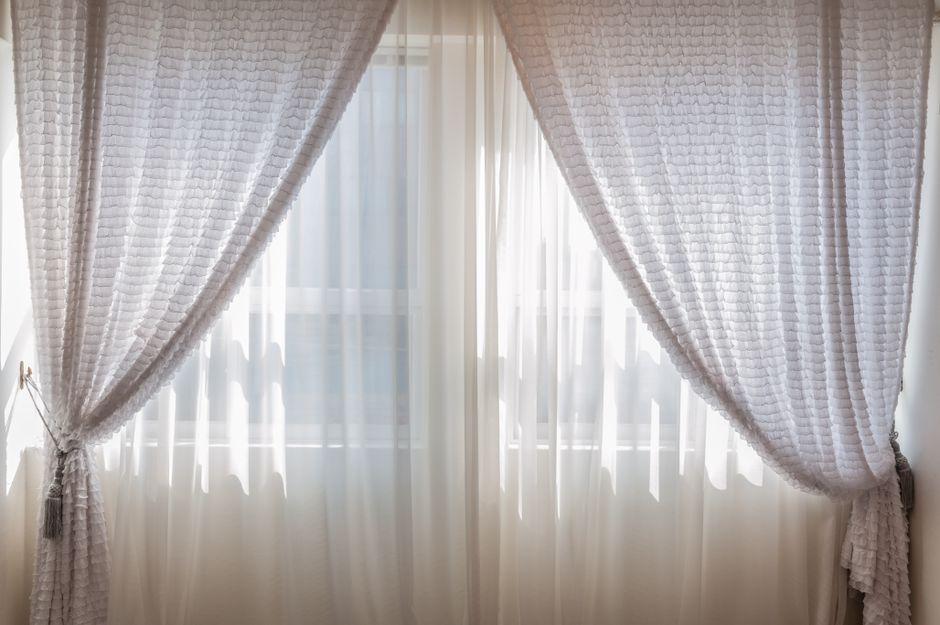
Both sheer and voile curtains are designed to soften natural light, but they differ in the degree of light filtration and privacy they offer. Sheer curtains typically allow 70-90% of light to pass through, creating a bright, ethereal glow. However, they offer almost no privacy during the day and none at night when interior lights are on. Voile curtains, with their denser weave, block about 40-60% of light, providing a more subdued ambiance and moderate daytime privacy—people outside may see only silhouettes rather than details.
If privacy is a concern, voile is the better choice without sacrificing the soft, diffused light effect. For rooms where you want maximum brightness and minimal obstruction, such as a sunroom or a living room with a view, sheers are ideal. Combine either with blackout curtains for layered control. Remember: voile’s privacy advantage comes from its tighter construction, but it still won’t provide the seclusion of opaque drapes.
___PROTECTED_2___
3. Texture and Appearance: Crisp vs. Flowing
Texture is a defining factor in how each fabric transforms a space. Sheer curtains have a soft, fluid drape that creates gentle folds and a romantic, ethereal look. They are available in a vast array of patterns, from subtle stripes to intricate lace, and can be easily gathered or hung flat. Voile curtains, in contrast, have a crisp, slightly starched feel that holds pleats and folds more rigidly. This makes them ideal for creating tailored, architectural looks—frequently seen in contemporary or minimalist interiors.
The visual weight also differs: sheers appear lighter and more whimsical, while voile adds a touch of structure and elegance. For example, a voile panel in a crisp white can mimic the effect of plantation shutters, whereas a sheer panel might resemble a soft cloud. When selecting based on style, think about the overall vibe of the room. Sheers complement bohemian, coastal, or traditional decor; voile suits modern, Scandinavian, or formal settings.
4. Durability and Care: Which Lasts Longer?
Durability is a practical consideration, especially for high-traffic areas or homes with children and pets. Sheer curtains, often made from synthetic blends like polyester, are generally resistant to wrinkles, fading, and shrinking. They can be machine-washed on a gentle cycle and hung to dry—low maintenance is a plus. However, their loose weave makes them prone to snagging and tearing if handled roughly. Voile curtains, particularly 100% cotton voile, are more durable due to the tighter weave but require more careful laundering. Cotton voile can shrink and wrinkle, so it often needs ironing or steaming.
For longevity, polyester sheers are a workhorse, while cotton voile offers a natural, premium feel with extra care. Acrylic or linen blends are also available, each with its own care needs. Always check the label—some voiles are machine-washable on delicate cycles, and many sheers can be tossed in with regular laundry. In terms of fading, both perform well if kept away from direct sun, but sheer synthetics are more colorfast.
5. Cost and Availability: Budget-Friendly vs. Premium Choice
Price is a significant differentiator. Sheer curtains are widely produced and available at affordable price points—typically ranging from $15 to $40 per panel. They are sold at big-box stores, online marketplaces, and home improvement centers. Voile curtains, on the other hand, are often positioned as a premium product due to the finer fabric and specialized production. Prices can range from $30 to $80 or more per panel, especially for organic cotton or designer brands.
Availability also varies: sheers are ubiquitous, with endless styles and sizes on offer. Voile may be harder to find in mass-market stores but is readily available through specialty curtain retailers and upscale home decor brands. If you are on a tight budget or need many panels, sheers are the obvious choice. For a refined look with a higher price tag, voile delivers a more luxurious feel.
6. Best Uses and Room Recommendations
Each fabric shines in specific rooms. Sheer curtains are perfect for spaces where you want to maximize natural light and create an airy atmosphere—living rooms with a view, sunrooms, or dining areas. They also work well as a second layer in a layered window treatment, paired with blackout drapes for nighttime privacy. Voile curtains are excellent for bedrooms where a bit more privacy is desired without losing daylight, or for home offices where harsh glare needs reduction while maintaining a professional look.
In bathrooms, moisture-resistant sheers (like polyester) can withstand humidity better than cotton voile, which may mildew. For a living room, voile adds a crisp, clean line that complements modern furniture. In a nursery, both can soften light, but voile provides an extra layer of security against drafts. Consider the room’s function: high-traffic areas benefit from durable sheers, while spaces requiring elegance call for voile.
7. Energy Efficiency and Insulation: A Surprising Difference
Though both fabrics are lightweight, they can impact room temperature modestly. Sheer curtains allow heat to pass through easily, offering minimal insulation. They can, however, reduce heat gain in summer by diffusing sunlight before it enters the room. Voile curtains, with their denser weave, provide slightly better thermal insulation by trapping a thin layer of air between the fabric and the window. This can help keep a room cooler in summer and slightly warmer in winter, though the effect is marginal compared to thermal drapes.
Neither fabric is a substitute for proper insulation, but voile edges out sheers in energy efficiency. For more significant energy savings, consider adding a blackout lining or cellular shades behind either. In warmer climates, sheers can be effective at reducing glare without adding heat load. In colder regions, voile’s slight insulation may be a minor bonus.
8. Installation and Lining Options
Both sheer and voile curtains can be hung using standard curtain rods, tracks, or tension rods. Sheers are lightweight enough to use with clip rings or rod pockets. Voile’s stiffness makes it easier to style with pleats or pinch pleats, but it may require stronger hardware if the panels are wide. For a layered look, both can be mounted on a double rod: sheers on the inside (closest to the glass) and voile or heavier drapes on the outside, or vice versa.
Lining options differ: sheer curtains are rarely lined because it would defeat their purpose. Voile curtains can be lined with a white cotton lining to increase opacity without changing the fabric’s character. Some voile panels come with a built-in lining for enhanced privacy. If you plan to use blackout liners, ensure the rod can support the extra weight. With either fabric, consider the header style—tab top, grommet, or rod pocket—to match your décor.