1. Understanding the Light Blocking Percentage
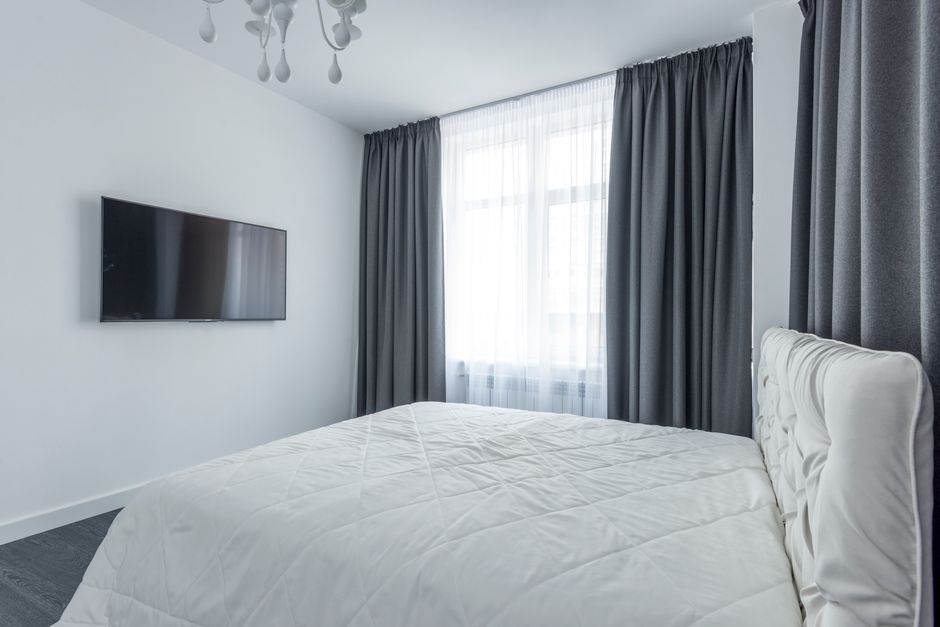
The primary difference between blackout and room darkening curtains lies in how much light they block. Blackout curtains are designed to block 99% or more of external light, creating a pitch-black environment. They typically use a dense weave or a special coating (like a foam or acrylic layer) that prevents light penetration. For shift workers who need to sleep during the day, blackout curtains are the gold standard because even small light leaks can disrupt melatonin production and sleep quality.
Room darkening curtains, on the other hand, block around 80-95% of light. They are often made from heavier fabrics but lack the specialized lining of blackout curtains. While they significantly reduce glare and brightness, they may still allow some light around the edges or through the fabric. For shift workers with flexible schedules or those who don't need total darkness, room darkening curtains can be sufficient—but for deep daytime sleep, blackout is usually better.
___PROTECTED_1___
2. Material and Construction Differences
Blackout curtains are typically constructed with multiple layers: a decorative front fabric, a middle layer (often black or dark colored) that absorbs light, and sometimes a back coating that reflects heat. Common materials include polyester, velvet, or microfiber with a thermal backing. The triple-weave technology in many blackout curtains ensures no pinpricks of light come through. These curtains also tend to be thicker and heavier, which helps with sound absorption—another plus for shift workers sleeping in noisy environments.
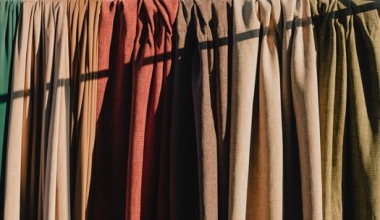
Room darkening curtains are usually single-layer or double-layer without the specialized light-blocking core. They might be made of cotton, linen, or polyester blends that are tightly woven but not completely opaque. The fabric may let a soft glow through, which can be desirable for those who want to avoid complete darkness. However, for shift workers, the lack of total blackout can result in lighter sleep phases and more awakenings.
___PROTECTED_2___
3. Thermal Insulation Properties
Blackout curtains often double as thermal insulators. Their dense construction and backing help reduce heat transfer, keeping rooms cooler in summer and warmer in winter. This is beneficial for shift workers who may be sleeping during extreme temperatures. By stabilizing room temperature, blackout curtains can reduce energy costs and improve comfort, making it easier to fall and stay asleep.
Room darkening curtains provide some insulation but to a lesser degree. While they can reduce glare and heat from direct sunlight, they are not as effective at preventing heat loss or gain. For shift workers in temperate climates or those who already have good HVAC systems, the insulation difference might be minimal. But for those in regions with harsh climates, blackout curtains offer an added advantage.
4. Noise Reduction Capabilities
Because blackout curtains are thicker and heavier, they naturally absorb more sound than lighter room darkening curtains. This is crucial for shift workers who sleep during daytime traffic, neighborhood noise, or household activity. The extra mass helps dampen high-frequency noises like birds chirping or lawnmowers, creating a quieter sleep environment. Some blackout curtains are specifically marketed as soundproofing, though they won't eliminate all noise.
Room darkening curtains, being lighter, provide minimal noise reduction. They may muffle sounds slightly but are not designed for acoustic control. For shift workers in quiet neighborhoods or those who use white noise machines, this may be acceptable. However, if noise is a major issue, blackout curtains are the better choice.
5. Aesthetics and Light Filtering Options
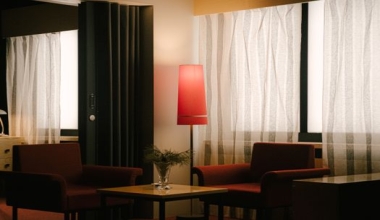
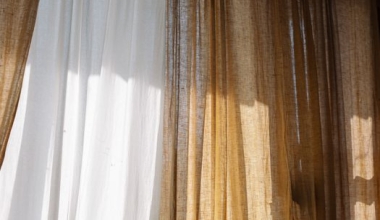
Room darkening curtains often come in a wider variety of colors, patterns, and textures because they are not burdened by the heavy backing of blackout curtains. They can be made from sheerer fabrics that still reduce light but add a soft, elegant look to the room. This appeals to shift workers who want a balance between light control and interior design. Room darkening curtains can also create a cozy ambiance when closed during the day.
Blackout curtains, while available in many colors, often have a more utilitarian appearance. The backing can make the fabric stiffer, and some styles may have a shiny or rubbery feel on the reverse side. However, modern blackout curtains are improving, with velvet options and decorative front layers. For shift workers prioritizing function over form, blackout curtains are usually not much of a design compromise.
6. Cost and Longevity Comparison
Blackout curtains tend to be more expensive than room darkening due to the specialized materials and multi-layer construction. However, they also offer added benefits like thermal insulation and noise reduction, which can offset costs over time through energy savings. Quality blackout curtains can last for years if properly maintained. Room darkening curtains are generally more affordable, making them a budget-friendly option for shift workers who need a quick fix for light control.
In terms of longevity, blackout curtains may fade or lose their coating over time if exposed to constant sunlight. Room darkening curtains, being less chemically treated, might hold their color longer but may need replacement sooner if they wear out. For shift workers, the higher upfront cost of blackout curtains can be justified by better sleep quality and energy efficiency.
7. Cleaning and Maintenance
Blackout curtains require careful cleaning. The backing can be delicate; many need dry cleaning or gentle machine washing. Harsh detergents or high heat can damage the light-blocking layer. Room darkening curtains are easier to maintain—they can often be machine washed and dried without special care. For shift workers with busy schedules, the extra effort of cleaning blackout curtains might be a drawback.
However, some blackout curtains are now made with washable materials. Always check the label. To extend their life, use a gentle cycle and low heat. Regular dusting with a vacuum attachment can help. Room darkening curtains, being simpler, can be cleaned more frequently without worry. If maintenance ease is a priority, room darkening may be preferable.
8. Which One Should Shift Workers Choose?
The decision ultimately depends on individual needs. For shift workers who sleep during the brightest hours and are sensitive to light, blackout curtains are recommended. They provide total darkness, better thermal and noise control, and contribute to deeper sleep. Workers with rotating shifts or those who need to sleep at irregular times will benefit most from the complete blackout environment.
Room darkening curtains are suitable for shift workers who only need to reduce glare, have a consistent sleep schedule that allows for some light, or are on a tight budget. They can also work well in combination with blackout curtains—using blackout in the bedroom and room darkening in other rooms for flexibility. For maximum sleep quality, blackout curtains are the superior choice, but room darkening can be a practical alternative.
9. Top Recommendations for Shift Workers
For blackout curtains, look for ones with a high light-blocking rating (99%+), such as those from Nicetown, Deconovo, or Eclipse. velvet blackout curtains offer a luxurious feel with added sound absorption. For room darkening, consider brands like LushDecor or Bungalow Flooring that offer stylish options with good light reduction. Always measure your windows precisely and consider curtain rods with tight-fitting valances to minimize light leaks.
Pay attention to the fabric weight and backing. If noise is a concern, choose thicker blackout curtains. For allergy sufferers, opt for machine-washable fabrics. Remember that proper installation—extending the rod beyond the window frame and using blackout liners—can enhance the performance of any curtain. Test the light blocking by holding a flashlight behind the fabric before purchasing.