Choosing curtains for a nursery is a critical decision that affects your baby's sleep quality, room ambiance, and safety. Two popular options—sheer and blackout curtains—offer distinct benefits. This guide compares them in depth to help you make an informed choice.
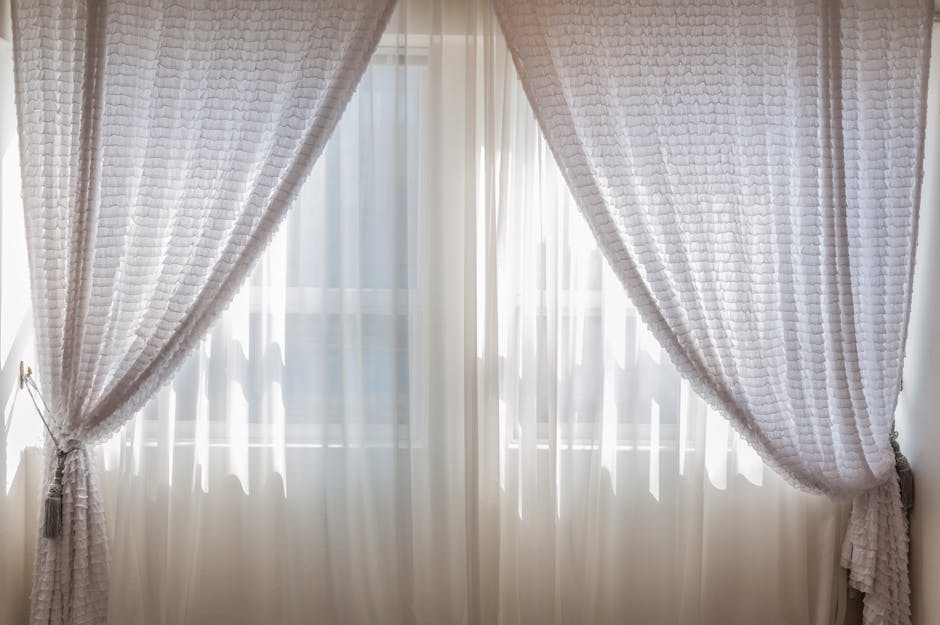
Understanding Sheer Curtains
Sheer curtains are lightweight, translucent fabrics that filter light while providing a soft, airy feel. They are typically made from polyester, cotton, or linen blends. Key features include:
- Light filtration: Softens harsh sunlight, creating a gentle glow.
- Privacy: Offers daytime privacy (outsiders see blurred shapes) but limited nighttime privacy.
- Breathability: Allows airflow, reducing stuffiness.
- Aesthetic: Adds elegance and makes small rooms appear larger.
Pros of Sheer Curtains in a Nursery
- Creates a calm, dreamy atmosphere.
- Allows you to check on baby without entering the room during naps.
- Helps maintain a circadian rhythm by letting in natural light during the day.
- Easy to wash and maintain.
Cons of Sheer Curtains for a Nursery
- Not effective for blocking light during nighttime or early morning.
- Little to no thermal insulation.
- May not provide enough darkness for deep sleep if the room faces bright streetlights.
___PROTECTED_1___
Understanding Blackout Curtains
Blackout curtains are specially designed to block external light, often using multiple layers or a dense foam backing. Common materials include polyester, microfiber, and velvet. Key characteristics:
- Light blockage: Typically block 85–99% of light, depending on quality.
- Thermal insulation: Helps regulate room temperature, keeping it cooler in summer and warmer in winter.
- Noise reduction: Thick fabric can dampen outside sounds.
- Privacy: Complete privacy both day and night.
Pros of Blackout Curtains for a Nursery
- Creates a pitch-black environment that promotes longer, deeper sleep.
- Blocks early morning sun, preventing early wake-ups.
- Reduces street noise for better naps.
- Energy efficient, lowering heating/cooling bills.
Cons of Blackout Curtains for a Nursery
- Can make the room feel dark and cave-like during the day, which may feel uninviting.
- Some parents worry about disorientation if baby wakes in total darkness.
- Heavier fabrics require robust curtain rods and proper installation.
- May trap heat if not breathable; check for mold risk in humid climates.
___PROTECTED_2___
Key Considerations for Nursery Curtains
Safety First
Always use cordless curtain designs or ensure cords are out of reach to prevent strangulation hazards. Install brackets securely.
Light Sensitivity
Babies are not born with a mature circadian rhythm. Blackout curtains can help establish sleep patterns, but some light during daytime naps can help distinguish day from night.
Room Orientation
North-facing rooms get indirect light; sheers may suffice. South- or west-facing rooms with intense afternoon sun may benefit from blackout.
Flexibility
Combining sheers and blackouts (e.g., sheers during the day, blackouts at night) offers the best of both worlds.
Sheer vs Blackout: A Side-by-Side Comparison
| Feature | Sheer Curtains | Blackout Curtains |
|---|---|---|
| Light Blocking | Low – filters light | High – blocks 85-99% |
| Privacy | Daytime only | Full 24/7 |
| Thermal Insulation | Minimal | Excellent |
| Noise Reduction | None | Moderate |
| Airflow | Good | Poor (may need ventilation) |
| Aesthetic | Light, airy, elegant | Heavy, formal |
| Cost | Lower | Higher (quality varies) |
Recommendations Based on Nursery Needs
For Newborns (0-6 months)
Blackout curtains are ideal to help regulate sleep cycles. Use a dim nightlight for feeds.
For Older Babies & Toddlers
Consider sheer curtains during the day to maintain a natural rhythm, then switch to blackout at night. Layering both allows flexibility.
For Small or Windowless Rooms
Sheer curtains can make the space feel larger. If blackout is needed, opt for a lighter color to avoid a gloomy feel.
For Noise-Prone Areas
Blackout with thick fabric (e.g., velvet) also dampens sound. Add a white noise machine for best results.
Budget-Friendly Tip
Use blackout lining behind existing sheers to achieve darkness without buying new curtains.
Installation and Safety Tips
- Mount curtains high and wide to maximize light blockage and make the room appear larger.
- Ensure curtains are out of baby's reach – use cordless options or wrap cords high.
- Test blackout fabric for chemical odors (VOCs) before installation; air out if needed.
- Wash curtains before hanging to remove dust and residues.
Final Verdict: Which to Choose?
There is no one-size-fits-all answer. For optimal nursery functionality, we recommend layering sheer and blackout curtains. Use sheers alone during the day to allow natural light and a view, then close blackout curtains at naptime and bedtime for complete darkness. This combination offers versatility, safety, and the best sleep environment for your baby.