As an event planner, you know that sound quality can make or break an experience – from corporate conferences to live performances. Renting acoustic curtains is a cost-effective, flexible solution to control reverberation, reduce noise spill, and create an immersive atmosphere. But with so many options, how do you choose the right ones? This guide covers seven key factors to consider when renting acoustic curtains for your next event.
1. Understand the Acoustic Needs of Your Event
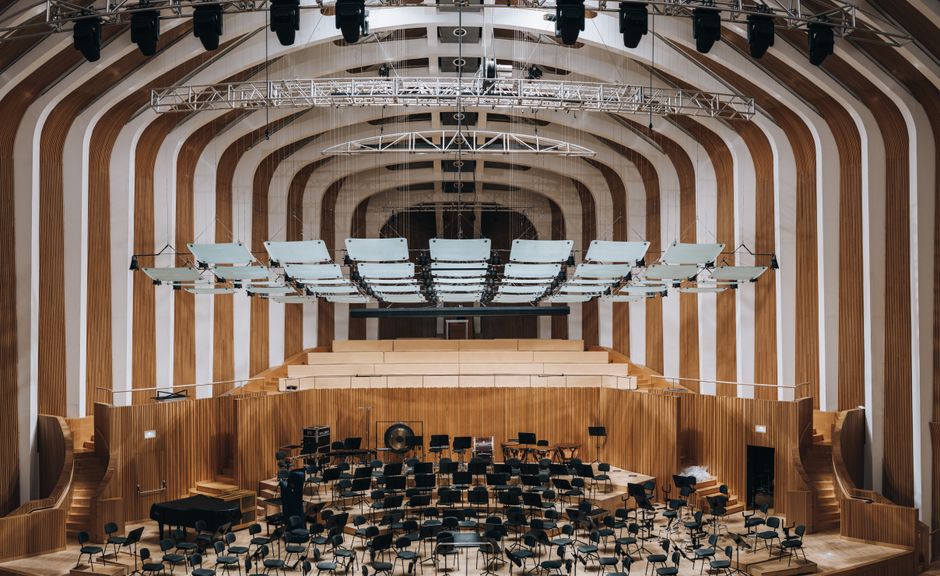
Different events have vastly different acoustic requirements. A keynote speech demands clarity and minimal echo, whereas a live concert benefits from controlled reverberation to enrich the sound. Start by identifying the primary sound issues: Is there excessive echo in a large hall? Do you need to isolate noise from adjacent rooms? Or are you trying to contain sound within a specific area? Understanding these needs will guide your curtain selection. For speech-heavy events, look for curtains with high sound absorption (NRC rating above 0.7), while for music performances, a balance of absorption and diffusion is key. Also consider the room's existing acoustics – hard surfaces like concrete and glass exacerbate reflections, so you may need heavier drapes.
Once you pinpoint the issues, communicate them clearly with your rental provider. They can recommend the appropriate fabric and setup. For instance, if external noise is a concern, dual-layer curtains with a mass-loaded vinyl barrier can provide additional soundproofing. Remember, no curtain can completely eliminate sound, but strategic placement can dramatically improve the listening environment.
___PROTECTED_1___
2. Choose the Right Fabric Weight and Density
Fabric weight directly impacts acoustic performance. Heavier, denser materials like velour, velvet, or multi-layer composites block more sound and absorb more energy. For temporary events, look for curtains with a weight of at least 300-400 grams per square meter (GSM) for effective absorption. However, lighter fabrics can still work well for reducing flutter echoes in smaller spaces. Polyester blends are popular because they are durable, flame-retardant, and available in various weaves.
Density also matters – tightly woven fabrics trap more sound waves. Check the Noise Reduction Coefficient (NRC) rating; a higher NRC means better absorption. For most event applications, an NRC of 0.5 to 0.8 is sufficient. Additionally, ensure the fabric meets local fire safety codes (typically NFPA 701 or similar). Ask your rental company for certification details. Finally, consider the fabric's drape and folding – heavier curtains may require stronger tracks or frames.
___PROTECTED_2___
3. Consider Aesthetic and Color Options
Acoustic curtains don't have to be dull. Today's rental inventory includes a wide range of colors, textures, and finishes to match any event theme or brand palette. From classic black and dark gray for theaters to vibrant hues for gala dinners, you can find fabrics that enhance the visual ambiance. Some rental companies offer custom printing or color matching for large orders.
Beyond color, consider the curtain's finish: matte, lustrous, or with a subtle pattern. For corporate events, a clean, professional look with box pleats or ripplefold heading works well. For creative launches, go bold with theatrical drapery. Also, think about light control – many acoustic curtains include blackout linings that block external light, making them perfect for daytime presentations or film screenings. Combining aesthetics with acoustics allows you to create a cohesive environment that looks as good as it sounds.
4. Measure the Space Accurately
Proper measurement is critical to ensure your acoustic curtains perform as intended. Start by determining the total area to be covered. For maximum absorption, curtains should be installed with generous fullness – typically 1.5 to 2 times the width of the wall or opening. This creates pleats that trap sound. Measure the height from the track or rod to the floor, allowing for a slight break on the floor (1-2 inches) to avoid light gaps.
If you are covering a large space, consider zoning – dividing the area into sections with curtains spaced at regular intervals. Use a laser measure for accuracy. Don't forget to account for obstructions like pillars, HVAC vents, or lighting fixtures. Also, ensure the mounting structure can support the weight. Ceiling-mounted tracks are ideal for permanent venues, while portable frames work well for temporary setups. When in doubt, ask the rental company for a site survey – many include this service in their package.
5. Check Rental Packages and Customization
Rental companies often provide comprehensive packages that include curtains, tracks, hardware, and even installation. Some also offer additional features like motorized drapes, remote control, or integration with lighting systems. Compare packages to see what's included: for example, are the curtains pre-pleated? Are fire retardants applied? Can you get custom lengths or widths?
Customization is key for unique venues. Some suppliers can sew specific dimensions, add grommets, or create ripplefold headings. If your event has brand colors, ask about dye-lot consistency. Also, inquire about backup curtains in case of damage. Most importantly, read the fine print: understand rental periods, damage policies, and whether installation and removal are included. A good rental partner will help you tailor the solution to your event's needs.
6. Plan for Setup and Installation
Setup time can vary from a few hours for small spaces to a full day for large venues. Work with the rental company to schedule installation well before the event. If using freestanding frames, ensure they are sturdy and weighted to prevent tipping. For ceiling-mounted systems, verify the overhead structure can bear the load – consult a structural engineer if needed.
Have a detailed floor plan showing curtain placement. Consider access for rigging equipment and safety zones. If your event has multiple sessions, you may need to adjust curtains between uses. Some rental providers offer on-site support during the event for any adjustments. Also, plan for removal after the event to avoid overtime fees. Proper planning ensures seamless integration without last-minute chaos.
7. Budget Wisely and Compare Quotes
Rental costs vary widely based on fabric quality, quantity, duration, and services. Get at least three quotes from reputable suppliers. Ask for itemized breakdowns: material cost, setup/teardown, delivery, and any additional fees (e.g., insurance, cleaning). Remember that the cheapest option may not provide the best acoustics or durability.
To optimize budget, consider renting only for key areas rather than the entire space. You can also combine acoustic curtains with other sound treatments like panels or diffusers. Negotiate package deals for multi-day events. Finally, factor in potential hidden costs like overtime labor or damage waivers. By comparing options, you can find a solution that fits your financial constraints without compromising performance.
Renting acoustic curtains is a smart, flexible way to enhance any event's sound environment. By following these seven tips, you'll be well-equipped to select, install, and budget for curtains that wow both the ears and the eyes. Ready to get started? Browse our inventory or request a consultation today.