Understanding Sound Absorption in Curtains
Sound absorption is measured by the Noise Reduction Coefficient (NRC), which indicates how much sound energy is absorbed. Curtains absorb sound by trapping waves in their fibers, reducing echo and reverberation. The effectiveness depends on fabric density, thickness, and surface texture. Heavier, porous materials with irregular weaves perform best. Lower frequencies (bass) are harder to absorb and require thicker fabrics or multiple layers.
___PROTECTED_1___
Key Properties of Sound Absorbing Fabrics
Density and Weight
Dense fabrics (e.g., velvet, heavy polyester) block and absorb more sound because mass resists sound transmission. Look for fabrics weighing 300 GSM (grams per square meter) or more. Heavier curtains also reduce flanking noise around edges.
Porousness and Texture
Open weaves or napped surfaces (like velvet’s pile) trap sound waves in tiny air pockets. Smooth, tight weaves reflect sound, while rough textures scatter and absorb it. Acoustically rated fabrics often have a felted or quilted structure.
Thickness
Thicker curtains (at least 1/4 inch) provide better absorption. Multiple layers or thermal lining add depth. Floor-to-ceiling installations with ample pleating increase the effective surface area.
___PROTECTED_2___
Top Fabric Picks for Sound Absorbing Curtains
Velvet
Velvet’s dense, piled surface is excellent for absorbing mid and high frequencies. Its plush texture traps sound waves, while heavyweight variants (e.g., 400 GSM) also block low frequencies. Velvet drapes luxuriously, making it ideal for living rooms and home theaters. Pros: High NRC (0.60-0.75), stylish. Cons: Can collect dust, requires dry cleaning.
Acoustic Panel Fabric (Quilted)
Specially designed for sound control, these fabrics often have a layer of polyester fiberfill or recycled cotton sandwiched between two layers of fabric. The quilting creates air pockets that absorb broadband noise. Common in recording studios and offices. Pros: NRC up to 0.90, fire-resistant options. Cons: Less decorative, heavier.
Thick Polyester (Blackout)
Heavy polyester with a foam or felt backing (e.g., 340 GSM) blocks sound transmission and absorbs some interior noise. Blackout linings add mass and seal gaps. They are cost-effective and easy to clean. Pros: Affordable, machine washable. Cons: Lower NRC (0.40-0.55), can feel less premium.
Wool Blends
Natural wool fibers are inherently porous and dense, offering excellent sound absorption (NRC 0.65-0.80). Blends with polyester improve durability. Wool also regulates humidity and is fire-retardant. Ideal for bedrooms and green buildings. Pros: Eco-friendly, good bass absorption. Cons: Expensive, may shrink if washed.
Heavy Linen (with lining)
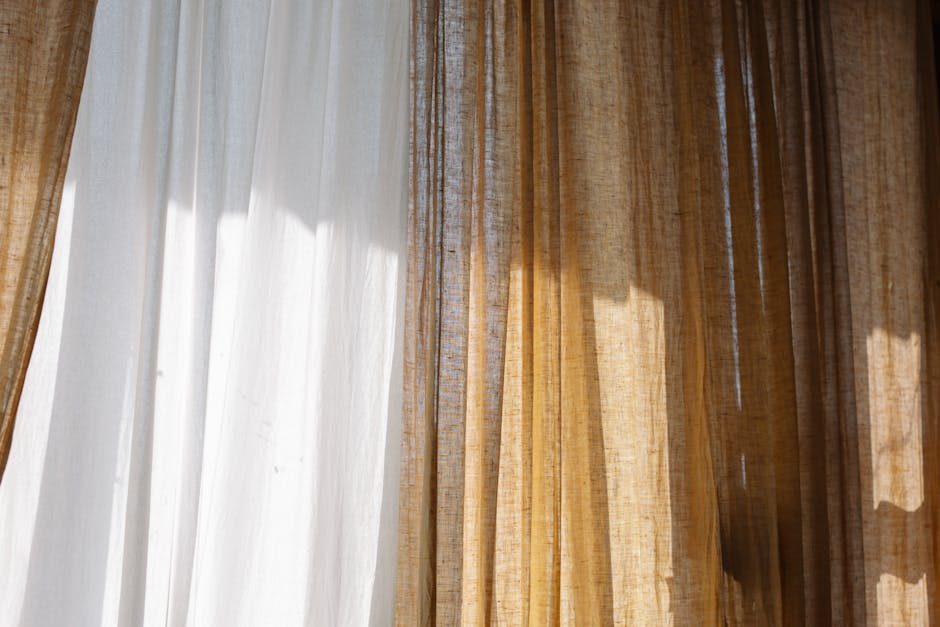
Linen alone is too light, but heavyweight linen blends (with cotton or wool) combined with a quilted backing can be effective. The natural irregularities scatter sound. Pros: Breathable, aesthetic. Cons: Needs lining for real acoustic performance.
Fabric Comparison Table
| Fabric | Weight (GSM) | NRC Range | Best For | Maintenance |
|---|---|---|---|---|
| Velvet | 350-500 | 0.60-0.75 | Mid/High Freq. | Dry clean |
| Acoustic Panel Fabric | 500-800 | 0.80-0.90 | Studio, Office | Vacuum |
| Thick Polyester (Blackout) | 300-400 | 0.40-0.55 | General Noise | Machine wash |
| Wool Blend | 400-600 | 0.65-0.80 | Bedroom, Eco | Dry clean |
| Heavy Linen (lined) | 350-450 | 0.50-0.65 | Living Room | Dry clean |
How to Choose the Right Fabric for Your Needs
First, identify the noise source: traffic (low frequency) vs. voices (mid/high). For low frequencies, choose the heaviest fabric (velvet or wool) and layer with a thick lining. For speech privacy, acoustic panel cloth or dense velvet works well. Consider the room: home theaters need high NRC; bedrooms benefit from blackout features. Aesthetics matter—velvet and linen offer style, while acoustic panels are functional. Budget: polyester is cheapest; wool and velvet are mid-range; custom acoustic fabrics are premium.
Installation Tips for Maximum Sound Absorption
- Full coverage: Floor-to-ceiling and wall-to-wall curtains absorb more sound. Leave only a small gap at top or sides.
- Pleat generously: Use pinch pleats or triple pleats to increase fabric surface area and create air pockets.
- Layer it: Combine a thick curtain with a blackout lining (e.g., cotton/polyester blend) for added mass and gap sealing.
- Seal edges: Use brackets or magnetic seals to close gaps at the ceiling, floor, and wall edges.
- Double layers: Hang two curtains on separate rods—an inner sheer for light and outer heavy fabric for sound.
- Add a backer: Place a portable absorber (like foam panel) behind the curtain for extra bass trapping.
Care and Maintenance of Acoustic Curtains
Dust and dirt reduce sound absorption by clogging pores. Vacuum curtains weekly with a brush attachment. For velvet, use a soft brush to lift the pile. Spot clean with mild detergent. Most heavy fabrics require dry cleaning; check labels. Avoid over-washing—it can shrink or distort the weave. For acoustic panels, gently vacuum or use a lint roller. Replace curtains every 5-7 years for optimal performance, as fibers compact over time.
Conclusion
Choosing the best fabric for sound absorbing curtains depends on your noise profile, budget, and décor. velvet and wool blends offer a balance of style and acoustics for homes. For serious sound control (studios, offices), acoustic panel fabric is unbeatable. Thick polyester blackout curtains are a practical entry-level option. Always prioritize dense, porous materials and install with full coverage and pleats. With the right fabric and setup, you can enjoy a quieter, more peaceful space.