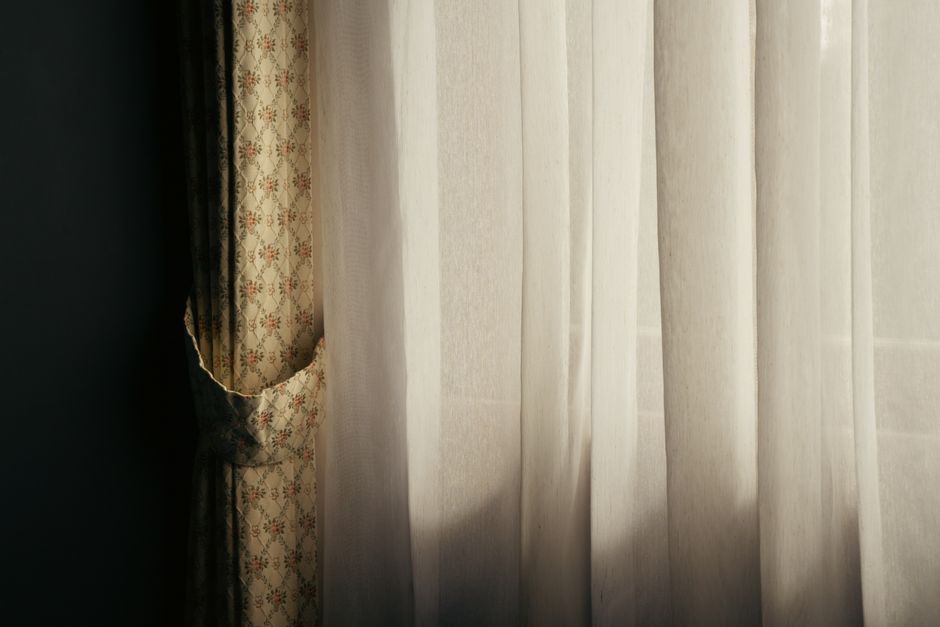
Understanding Why Curtains Retain Perfume Smells
Curtains are often the largest fabric surface in a room, and their porous fibers can easily trap and hold onto strong odors like perfume. The alcohol and aromatic compounds in perfumes can bond with the fibers, especially when sprayed directly onto the curtains or when the wearer is in close proximity. Over time, the scent can become stale or even unpleasant. Factors like fabric type (natural vs. synthetic), weave density, and exposure to humidity all affect how strongly curtains retain perfume.
___PROTECTED_1___
The Best Natural Methods to Remove Perfume from Curtains
Before turning to chemical cleaners, try these natural, eco-friendly methods that are safe for most curtain fabrics.
Sunlight and Fresh Air
UV rays and fresh air are powerful deodorizers. On a sunny, dry day, remove your curtains and hang them outside on a clothesline or over a railing. Leave them for several hours, ensuring both sides are exposed. This method works best for lightweight fabrics like sheer or cotton. For heavy velvet or blackout curtains, limit sun exposure to 1–2 hours to prevent fading.
Baking Soda
Baking soda is a natural odor absorber. Sprinkle a generous amount of baking soda over the curtains (after removing them and laying them flat). Let it sit for at least 30 minutes (or overnight for stubborn smells). Then vacuum thoroughly using an upholstery attachment. Alternatively, place open boxes of baking soda near the curtains for passive absorption.
White Vinegar
White vinegar neutralizes odors without leaving a strong smell once dry. Mix equal parts water and white vinegar in a spray bottle. Lightly mist the curtains (do not saturate) and allow them to air dry. The vinegar smell will dissipate, taking the perfume with it. Test on an inconspicuous area first, especially on delicate or dark fabrics.
Activated Charcoal
Activated charcoal is excellent for absorbing airborne odors. Place charcoal bags or loose charcoal in a breathable bag (like a sock) and hang them behind the curtains. Leave for 48–72 hours. This method is non-invasive and works well for curtains that cannot be removed easily.
Essential Oils for a Fresh Scent
After neutralizing the perfume, you may want to add a pleasant natural scent. Mix 10–15 drops of essential oil (e.g., lavender, lemon, or eucalyptus) with water in a spray bottle. Lightly mist the curtains, avoiding drenching. The alcohol in the perfume is already gone, so this just imparts a gentle fragrance.
___PROTECTED_2___
Step-by-Step Guide to Deodorize Different Curtain Fabrics
Different fabrics require slightly different care. Follow these tailored instructions:
Blackout Curtains
Blackout curtains have multiple layers and a coating that can be damaged by water. Use dry methods: vacuum with a brush attachment, then hang outside in the shade. For odors, use baking soda or activated charcoal bags. Avoid washing unless the label permits.
Sheer Curtains
Sheer fabrics are delicate but can often be machine-washed on a gentle cycle. For perfume removal, hand-wash in cold water with a mild detergent and a splash of white vinegar. Air dry. If washing isn’t possible, steam them lightly with a garment steamer—the steam helps release odors.
Velvet Curtains
Velvet is prone to water spots and crushing. Use dry cleaning methods: brush gently with a soft brush, then vacuum. For perfume smells, sprinkle baking soda, leave for 30 minutes, then vacuum. Alternatively, hang in a steamy bathroom (without direct water contact) to loosen odors.
Acoustic Curtains
These heavy, multi-layered curtains often have special coatings. Avoid washing. Use activated charcoal bags placed between folds or near the curtains. For light odors, a fabric refresher spray (water + a few drops of essential oil) can be used sparingly.
| Fabric Type | Best Method | Caution |
|---|---|---|
| Blackout | Baking soda, charcoal, sun (shade) | Avoid water |
| Sheer | Vinegar rinse, steam | Can be machine-washed |
| Velvet | Dry brush, baking soda, steam | No water soak |
| Acoustic | Charcoal, spray mist | Check label |
Tips for Preventing Perfume Build-up on Curtains
- Avoid spraying perfume directly onto curtains or near them.
- Apply perfume before dressing, then let it dry before entering the room.
- Use window fans to improve air circulation and reduce odor concentration.
- Wash or air out curtains regularly—at least every 3–6 months.
- Consider using fabric-friendly air purifiers to capture airborne scent particles.
When to Seek Professional Cleaning
If natural methods fail and the perfume smell persists, professional dry cleaning may be necessary—especially for delicate, antique, or heavily layered curtains. Look for eco-friendly dry cleaners who use non-toxic solvents. Always check the care label; some curtains have specific cleaning requirements.
Conclusion
Removing perfume smell from curtains naturally is achievable with patience and the right techniques. Whether you choose sunlight, baking soda, or vinegar, you can refresh your curtains without harsh chemicals. Tailor your approach to the fabric type, and adopt preventive habits to keep your curtains smelling fresh for longer.