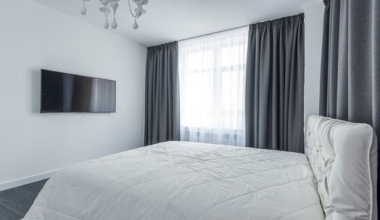
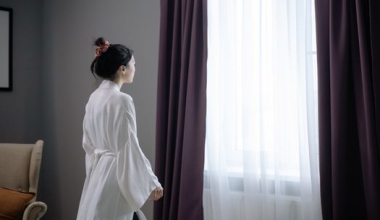
Acoustic curtains are a significant investment for soundproofing and enhancing room aesthetics. However, their heavy, multi-layered construction makes traditional washing risky—it can cause shrinkage, loss of acoustic properties, or damage to the fabric. Fortunately, there are several effective ways to refresh and maintain your acoustic curtains without a single trip to the washing machine. Below are seven proven methods to keep them looking and performing their best.
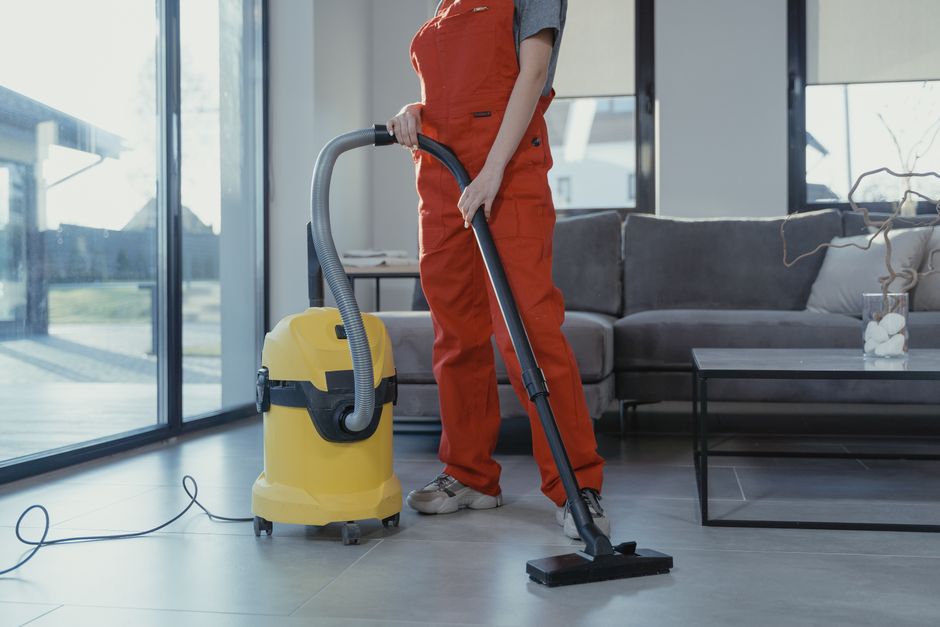
1. Regular Vacuuming with a Soft Brush Attachment
One of the simplest and most effective ways to refresh acoustic curtains is by vacuuming them regularly. Dust and allergens settle into the dense fibers, dulling the appearance and potentially reducing acoustic efficiency. Use a vacuum cleaner with a soft brush attachment to gently remove surface dust.
Start from the top and work your way down in overlapping strokes. For pleated or draped curtains, be extra gentle to avoid snagging. Vacuuming once a week can significantly extend the time between deeper cleaning sessions. It also helps maintain the curtain’s sound-absorbing properties by preventing dust from clogging the fabric pores.
___PROTECTED_1___
2. Steam Cleaning for Deodorizing and Wrinkle Removal
Steam cleaning is an excellent alternative to washing, as it kills bacteria and neutralizes odors without soaking the fabric. A handheld garment steamer or a steam cleaner with a fabric attachment can be used on acoustic curtains. Always test on an inconspicuous area first to ensure the fabric can withstand the heat.
Hold the steamer a few inches from the fabric and move it slowly across the surface. The steam will relax wrinkles and refresh the fibers. Avoid saturating any spot; light, even passes are best. After steaming, allow the curtains to dry completely before closing them. This method works well for velvet and polyester blends but should be used with caution on delicate linings.
___PROTECTED_2___
3. Spot Cleaning with Mild Detergent
For localized stains or marks, spot cleaning is far safer than full laundering. Mix a small amount of mild detergent (preferably pH-neutral) with cool water. Dab a clean white cloth into the solution, wring it out until just damp, and gently blot the stained area—never rub, as that can spread the stain or damage the fibers.
Follow with a damp cloth (water only) to remove soap residue, then blot dry with a towel. For stubborn stains like grease or ink, consider using a specialized upholstery cleaner that is safe for acoustic fabrics. Always check the manufacturer's care label before applying any cleaning product.
4. Using Fabric Fresheners and Deodorizers
Acoustic curtains can absorb odors from cooking, smoke, or pets. Fabric refresher sprays (like Febreze or homemade mixtures of water and essential oils) can neutralize smells without wetting the fabric deeply. Choose a formula that is alcohol-free and color-safe to prevent discoloration.
Lightly mist the curtains from a distance of about 12 inches, focusing on areas that smell strongest. Let them air dry thoroughly. For a more natural option, mix white vinegar with water (1:3 ratio) in a spray bottle; the vinegar smell dissipates as it dries, taking other odors with it. Avoid over-saturating to prevent water spots.
5. Brushing to Restore Pile and Remove Surface Debris
Velvet and other napped acoustic curtains benefit from regular brushing to lift the pile and remove dust and pet hair. Use a soft-bristled brush or a lint brush designed for upholstery. Brush in the direction of the nap (if visible) or in gentle downward strokes for non-directional fabrics.
This technique not only refreshes the appearance but also redistributes any compressed fibers, helping the curtain maintain its acoustic properties. For heavily soiled areas, combine brushing with vacuuming: brush first to loosen dirt, then vacuum it away. Do this monthly or as needed.
6. Air Outdoors on a Line (Avoid Direct Sun)
Fresh air is a natural refresher. On a dry, breezy day, hang your acoustic curtains outdoors on a sturdy line or over a clothes horse. Ensure they are fully supported to avoid stretching. Keep them out of direct sunlight, as UV rays can fade and weaken acoustic fabrics over time.
Let them hang for a few hours to allow airborne dust to drop off and odors to dissipate. A gentle breeze helps fluff the fibers. If you live in a humid area, limit outdoor airing to low-humidity days to prevent mildew. This method is especially effective after a long period of indoor use.
7. Professional Dry Cleaning (The Only Exception)
If your acoustic curtains are particularly heavy or soiled, and home methods aren’t enough, consider professional dry cleaning. Look for a cleaner experienced with specialty curtains and soundproofing materials. Be sure to point out the acoustic properties so they use appropriate solvents and handling methods.
Although it is not washing in the traditional sense, dry cleaning uses chemical solvents instead of water, reducing the risk of shrinkage and damage. It’s best used sparingly—once every year or two—to prolong the life of your curtains. Always confirm that the cleaner accepts acoustic curtains before handing them over.
By following these seven methods, you can keep your acoustic curtains fresh, clean, and effective without the risks associated with washing. Regular maintenance not only saves time and money but also extends the functionality and beauty of your soundproofing investment.