When designing a room that lacks natural light, choosing the right curtain color can make or break the atmosphere. Dark rooms—whether basement bedrooms, windowless offices, or interior hallways—require careful consideration to avoid a cave-like feel. In this guide, we’ll explore how to select curtain colors that brighten, enlarge, and enhance a dark space, while also recommending fabric types like blackout, sheer, velvet, and acoustic curtains to meet your needs.
Understanding the Challenges of a Dark Room
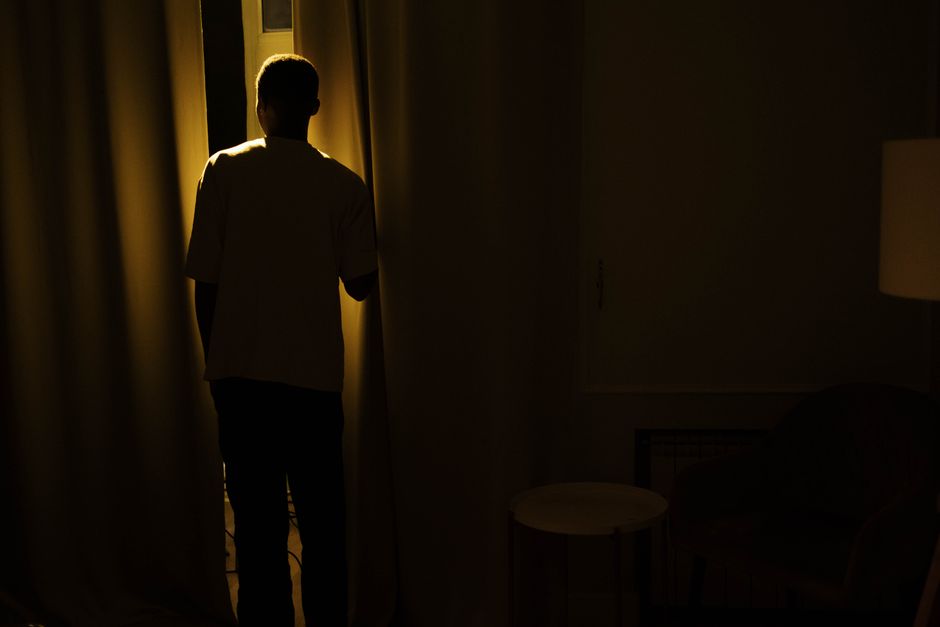
Rooms without natural light often feel cramped, gloomy, and uninviting. The absence of daylight affects color perception, making dark shades look even heavier. The right curtain color can trick the eye into perceiving more light and space, while also complementing artificial lighting sources.
___PROTECTED_1___
The Role of Curtain Colors in Brightening a Dark Room
Color psychology plays a key role. Light colors reflect artificial light, making the room feel airier. Dark colors absorb light, which can be cozy but risky in a windowless space. The goal is to balance brightness with depth, avoiding monotony.
___PROTECTED_2___
Best Curtain Colors for Dark Rooms
1. Whites and Off-Whites
Pure white, ivory, cream, and eggshell are top choices. They maximize light reflection and create a crisp, clean look. Pair white curtains with warm artificial lighting to prevent a sterile feel. Sheer white fabrics filter light beautifully, while blackout whites offer privacy without darkness.
2. Pastels: Soft Hues with Lifting Power
Light pastels like pale blue, blush pink, butter yellow, or mint green add a subtle pop of color without absorbing too much light. They bring personality while keeping the room bright. For example, pale yellow mimics sunlight, and soft blue evokes sky.
3. Warm Neutrals: Beige, Greige, and Light Gray
Neutrals with warm undertones (beige, greige, warm gray) are safer than cool grays, which can feel cold in a dark room. These colors add coziness and pair well with velvet or acoustic fabrics for texture.
4. Jewel Tones in Moderation
If you desire a dramatic look, consider deep emerald green, navy, or rich burgundy—but use them sparingly. In a dark room, choose jewel-toned curtains with a semi-sheer weave or use them as a single accent panel. Alternatively, opt for a dark tone on only one wall to avoid swallowing the space.
5. Metallic or Shimmering Finishes
Curtains with metallic threads or a subtle sheen (e.g., satin velvet or acoustic curtains with reflective backing) can bounce artificial light around the room, adding a touch of glamour without overwhelming darkness.
Factors to Consider Beyond Color
Fabric Type and Light Filtering
| Fabric | Light Control | Best Use in Dark Room |
|---|---|---|
| Sheer | Diffuses light | Allows maximum artificial light through; good for layering |
| Blackout | Blocks 100% light | Use only if you need privacy/darkness; lighter colors help |
| Velvet | Medium to high opacity | Luxurious but heavy; use light colors to avoid gloom |
| Acoustic | Medium opacity | Sound-dampening; choose light shades to keep room bright |
For dark rooms, layered curtains work best: a sheer white base with a light blackout or velvet overlay. This allows you to control light and texture.
Texture and Pattern
Textured fabrics (e.g., linen-look, ribbed velvet) add visual interest without relying on color. Small-scale patterns in light tones—like subtle stripes or delicate florals—can energize the space. Avoid large, dark patterns that close in the room.
Artificial Lighting Coordination
Your curtain color should harmonize with your light bulbs. Warm white (2700K-3000K) enhances warm tones; cool white (4000K+) suits cooler pastels. Test curtain samples under your actual lighting before buying.
Practical Tips for Choosing and Styling
- Go floor-to-ceiling: Hang curtains as high and wide as possible to make the room feel taller and larger.
- Layer with shades: Combine blackout roller shades under lighter curtains for flexibility.
- Mirror effect: Use high-gloss or metallic curtain hardware to reflect light.
- Add a backlight: Install LED strip lights behind the curtain rod to create a glowing effect.
- Sample in situ: Hold fabric samples against walls in different artificial lighting conditions.
- Consider the ceiling: A white or light-colored ceiling amplifies reflected light; match curtain trim to ceiling.
Common Mistakes to Avoid
- Choosing dark curtains without testing: In a dark room, even navy can look black. Always test.
- Ignoring the undertone: Cool gray curtains can make a dark room feel icy. Stick to warm neutrals.
- Overlooking fabric weight: Heavy velvet can absorb too much light; if you love velvet, choose a lighter color.
- Forgetting about light bulbs: Fluorescent bulbs may cast greenish light; adjust curtain colors accordingly.
By carefully selecting curtain colors and fabrics, you can transform a dark, windowless room into a bright, inviting space. Remember that the goal is to reflect and amplify whatever light you have, while adding your personal style. Experiment with sheers, light blackouts, or acoustic panels to find the perfect balance.