Introduction
Living in an apartment often means dealing with unwanted noise from neighbors, traffic, or street life. While you can't control the outside world, you can create a quieter sanctuary inside. Noise reduction curtains, also known as soundproof curtains, are an affordable and effective solution for dampening sound without major renovations. Unlike regular drapes, these specialized curtains use dense materials, multiple layers, and acoustic technologies to absorb and block noise. In this guide, we explore five top-rated noise reduction curtains that work exceptionally well in apartments, along with tips on selection, installation, and maintenance.
___PROTECTED_1___
How Noise Reduction Curtains Work
Soundproof curtains reduce noise through three primary mechanisms: mass, density, and layering. The curtains are made from heavy fabrics like velvet, suede, or multilayered polyester that add mass to the window area, making it harder for sound waves to pass through. Many feature a thick inner core or acoustic foam that absorbs sound vibrations. Additionally, the curtains often have a tight weave and a smooth surface that reflects sound. When installed correctly—floor-to-ceiling and wall-to-wall—they create a barrier that reduces echo and outside noise by up to 50%, depending on the product and installation.
___PROTECTED_2___
Top 5 Noise Reduction Curtains for Apartments
1. NICETOWN Blackout Curtains
NICETOWN offers a popular line of blackout curtains that also provide excellent noise reduction. Made from a thick, triple-weave polyester fabric, these curtains are both thermal and sound-dampening. They are available in multiple colors and sizes, making them a versatile choice for any room.
- Noise Reduction: Blocks moderate street noise and muffles conversations.
- Features: Blackout, thermal insulation, wrinkle-resistant, machine washable.
- Best For: Bedrooms and living rooms with average noise levels.
- Price Range: $30–$50 per panel.
2. Moondream Velvet Curtains
Velvet is naturally dense and plush, making it an ideal fabric for sound absorption. Moondream's velvet curtains are lined with a heavy cotton-polyester blend that adds extra weight. The soft texture not only feels luxurious but also traps sound waves effectively.
- Noise Reduction: Excellent for absorbing mid-to-high frequency sounds like voices and TV noise.
- Features: Full blackout, silky texture, grommet top, machine washable.
- Best For: Rooms where you want both acoustics and elegance.
- Price Range: $40–$70 per panel.
3. Audimute Soundproof Curtains
Designed specifically for acoustic purposes, Audimute curtains are made with a proprietary sound-absorbing fabric called Eco-Tek. They are thicker than standard drapes and come with a hanging system that ensures a tight seal.
- Noise Reduction: Reduces up to 12 dB of sound, ideal for loud environments.
- Features: Eco-friendly, flame retardant, available in various sizes, no grommets (uses hooks).
- Best For: Home offices, studios, or apartments near busy roads.
- Price Range: $100–$200 per panel (more expensive but high performance).
4. Deconovo Thermal Curtains
Deconovo's thermal curtains combine blackout technology with sound dampening. The triple-weave polyester fabric is tightly woven, and the curtains have a special coating that reflects heat and noise. They come in a wide range of colors and patterns.
- Noise Reduction: Good for general noise reduction; blocks about 60% of outside noise.
- Features: Energy-saving, machine washable, available in multiple lengths, grommet or rod pocket.
- Best For: Budget-conscious renters who still want decent noise reduction.
- Price Range: $25–$45 per panel.
5. Residential Acoustics Fabric Curtains
These curtains are made from a dense, felt-like material that absorbs sound rather than reflecting it. They are often used in commercial settings but work well in large apartments with high ceilings. The fabric is flame retardant and durable.
- Noise Reduction: Up to 15 dB reduction; excellent for low-frequency noises like traffic rumbling.
- Features: Acoustic core, available in custom sizes, neutral colors.
- Best For: Large windows, sliding doors, or rooms with severe noise issues.
- Price Range: $80–$150 per panel.
Key Features to Look For
When shopping for noise reduction curtains, consider these features to maximize performance:
- Fabric Weight: Look for curtains with a GSM (grams per square meter) of 200 or higher. Heavier fabrics block more sound.
- Layer Count: Many curtains have two or three layers (e.g., a decorative front, a blackout middle layer, and a thermal backing). More layers mean more sound absorption.
- Lining: A thick, felted or foam lining can significantly enhance noise reduction. Velvet and suede linings also work well.
- Seal: Curtains that touch the floor and extend beyond the window frame reduce sound leakage. Some come with Velcro or magnetic seals.
- Grommet vs. Rod Pocket: Grommet curtains hang closer to the rod and may leave gaps. Rod pocket curtains can be pinched to reduce gaps. For best results, use a wrap-around curtain rod.
Installation Tips for Maximum Sound Dampening
Proper installation is crucial. Follow these tips to get the most out of your noise reduction curtains:
- Go Floor-to-Ceiling: Mount the curtain rod as close to the ceiling as possible and let the curtains pool on the floor. This minimizes the gap at the top where sound can escape.
- Widen the Curtain Panel: The curtains should be 2–3 times wider than the window to allow for pleating, which adds extra fabric to absorb sound.
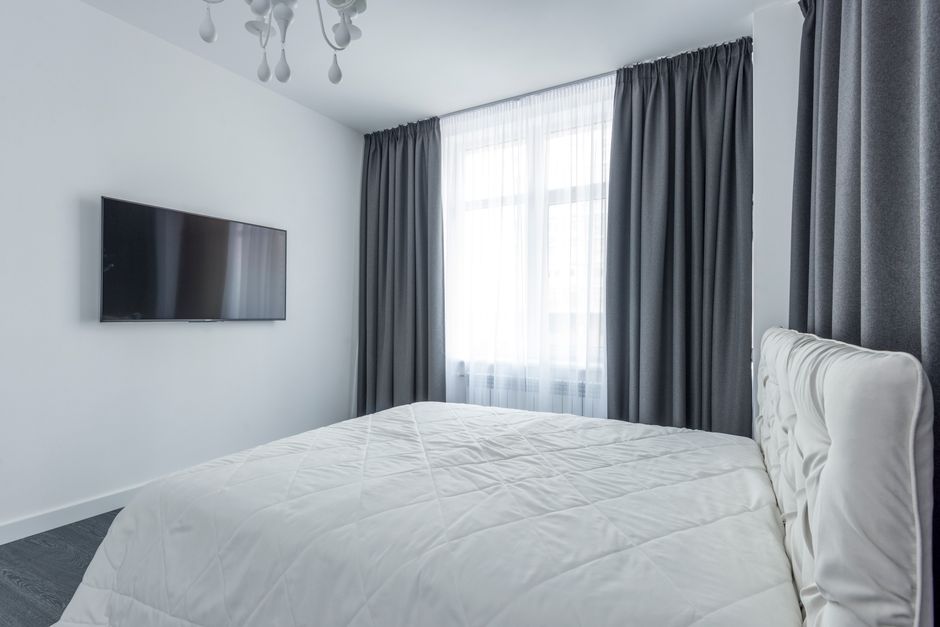
- Layer Curtains: Combine your noise curtains with a lighter sheer curtain for added insulation. The air gap between layers helps dampen sound.
- Use a Double Rod: Install a double curtain rod to hang both blackout/sheer and acoustic curtains. This allows flexibility for light control and sound reduction.
- Seal Edges: If possible, attach magnets or hook-and-loop tape to the sides and bottom of the curtains to seal them against the wall or floor.
DIY vs. Custom Options
If you're handy, you can make your own noise reduction curtains by layering heavy fabrics or adding a soundproofing liner. However, custom curtains offer better fit and performance. Custom options allow you to choose the exact size, fabric, and lining for your specific window and noise level. While DIY can save money, custom curtains often last longer and look more polished. For renters, consider temporary solutions like tension rods and floor-length panels that can be easily removed without damaging walls.
Care and Maintenance
To keep your noise reduction curtains effective:
- Vacuum them regularly with a brush attachment to remove dust that can harden the fabric and reduce sound absorption.
- Spot clean spills immediately; most can be machine washed on gentle cycle with cold water. Avoid bleach.
- Air dry or tumble dry on low to prevent shrinkage of the acoustic layers.
- Iron on low heat if needed, but test a small area first.
- Re-hang them promptly to maintain their shape and weight distribution.
Conclusion
Noise reduction curtains are a simple, non-invasive way to make your apartment quieter and more comfortable. Whether you choose budget-friendly options like Deconovo or high-performance ones like Audimute, the key is to focus on fabric weight, proper layering, and meticulous installation. Combine these curtains with other soundproofing measures like rugs and furniture placement for even better results. Start with one room—maybe your bedroom or home office—and enjoy the peace and quiet you deserve.