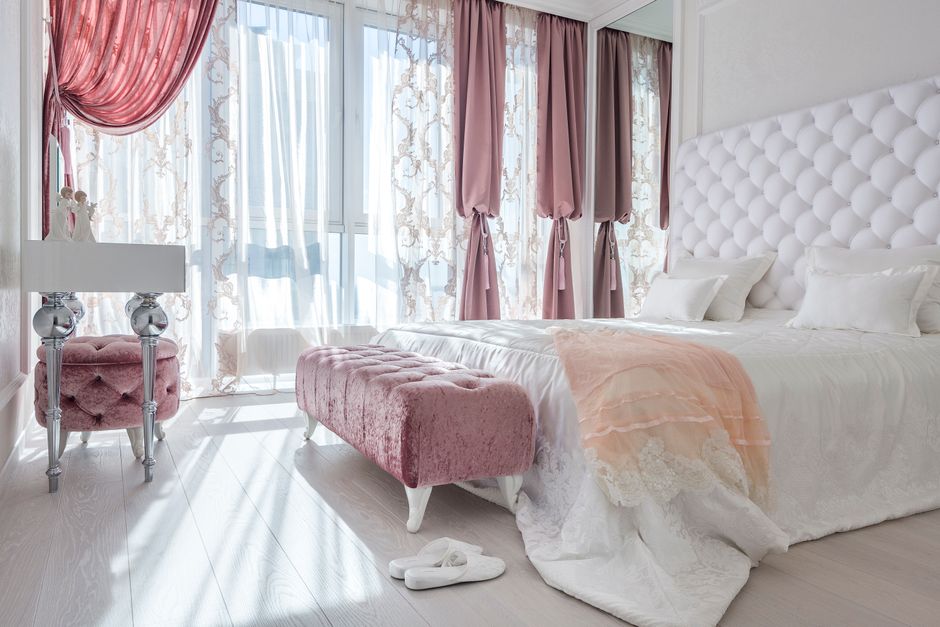
Linen vs Velvet Curtains: A Comprehensive Comparison Guide
Choosing between linen and velvet curtains can transform the look and feel of any room. Both fabrics offer distinct benefits in terms of aesthetics, functionality, and care requirements. Whether you prioritize natural texture or luxurious opulence, this guide explores every aspect of linen and velvet to help you make an informed decision.
___PROTECTED_1___
Overview of Linen Curtains
Linen is a natural fiber made from the flax plant. It is prized for its breathability, lightweight feel, and relaxed drape. Linen curtains often have a slightly textured, matte finish that adds a casual, airy elegance to spaces. They are available in a wide range of neutral tones and muted colors, making them versatile for various interior styles, from coastal to rustic.
Key Characteristics of Linen Curtains
- Breathable: Allows airflow, helping regulate room temperature.
- Light Filtering: Typically semi-sheer to opaque, offering soft light diffusion.
- Natural Texture: Adds warmth and organic appeal.
- Eco-Friendly: Biodegradable and produced with less water than cotton.
___PROTECTED_2___
Overview of Velvet Curtains
Velvet is a woven fabric with a dense, soft pile that creates a rich, luminous surface. It is often made from cotton, polyester, or blends, and is synonymous with luxury and sophistication. Velvet curtains are heavier than linen, offering excellent insulation and sound absorption. They come in deep, saturated colors and can instantly elevate a room's formality.
Key Characteristics of Velvet Curtains
- Luxurious Feel: Soft to the touch and visually opulent.
- High Insulation: Traps heat and blocks drafts effectively.
- Good Light Blocking: Most velvet curtains are blackout or room-darkening.
- Sound Dampening: Dense pile reduces noise transmission.
Comparing Appearance and Texture
Linen's natural wrinkles and matte finish create a relaxed, unpretentious look. It works well in casual, bohemian, or minimalist interiors. Velvet, on the other hand, exudes glamour and richness. Its pile reflects light differently, giving it a shimmering effect. Choose linen for a subtle, organic feel or velvet for a dramatic, cozy statement.
Comparing Light Control and Privacy
| Feature | Linen Curtains | Velvet Curtains |
|---|---|---|
| Light Filtering | Soft, diffused light; semi-sheer to opaque | Minimal to no light; blackout options available |
| Privacy | Moderate; may require lining for full privacy | Excellent; dense fabric blocks view |
If you need a room to be completely dark for sleeping or media rooms, velvet with a blackout lining is superior. Linen is better for living areas where you want natural light with a soft glow.
Comparing Insulation and Energy Efficiency
Velvet’s thick pile provides superior thermal insulation, helping keep rooms warm in winter and cool in summer. It can reduce energy costs by minimizing heat exchange through windows. Linen is more breathable and less insulating but offers adequate temperature regulation in mild climates. For energy efficiency, velvet is the clear winner.
Comparing Durability and Maintenance
- Linen: Durable but wrinkles easily; gentle machine wash or dry clean recommended. Prone to shrinking if not pre-washed. Fades in direct sunlight over time.
- Velvet: Delicate pile can crush or flatten; avoid compression. Spot clean or dry clean only. Better color retention if quality dyed. Not ideal for high-humidity areas.
For high-traffic rooms, linen may be more forgiving. For formal spaces with less wear, velvet holds its beauty longer with proper care.
Comparing Cost and Value
Linen curtains typically range from $30 to $150 per panel, depending on quality and brand. Velvet curtains vary widely from $40 to $300+ for designer options. While velvet often costs more initially, its durability and insulation can offer long-term value if maintained well. Linen is a budget-friendly choice with a timeless appeal.
Which is Right for You? Practical Tips
Consider Your Room’s Purpose
For bedrooms, media rooms, or nurseries, choose velvet for maximum light blocking and insulation. For living rooms, dining rooms, or kitchens, linen provides a breezy, inviting atmosphere.
Think About Climate
In hot climates, linen’s breathability helps keep rooms cool. In colder regions, velvet’s thermal properties are beneficial.
Assess Maintenance Tolerance
If you prefer low-maintenance fabrics, linen can be machine washed (with care). Velvet requires more delicate handling and is better for homes without pets or young children.
Style and Decor
Match the fabric to your interior theme: linen for Scandinavian, farmhouse, or coastal; velvet for Art Deco, maximalist, or traditional glam.
Conclusion
Both linen and Velvet Curtains have unique strengths. Linen offers natural beauty, breathability, and easy maintenance, perfect for casual spaces. velvet delivers luxury, insulation, and light blockage, ideal for cozy, formal rooms. Consider your priorities in aesthetics, function, and care to select the fabric that best enhances your home.