Choosing the right curtains is about more than just color and style. The way your window fabric handles light can completely transform the mood, functionality, and energy efficiency of a room. Two of the most popular terms in window treatments are light filtering and room darkening. While they sound similar, they serve very different purposes. In this comprehensive guide, we break down the differences, explore which fabric types like sheer, velvet, blackout, and acoustic work best for each, and give you the practical tips you need to make the perfect choice.
Understanding Light Control Fabrics
Light control exists on a spectrum. From completely sheer fabrics that let in brilliant daylight to total blackout that blocks every ray, the middle ground includes various levels of filtering and darkening. Knowing exactly what these terms mean will help you align your purchase with your actual needs.
What Is Light Filtering?
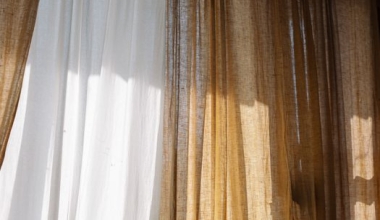
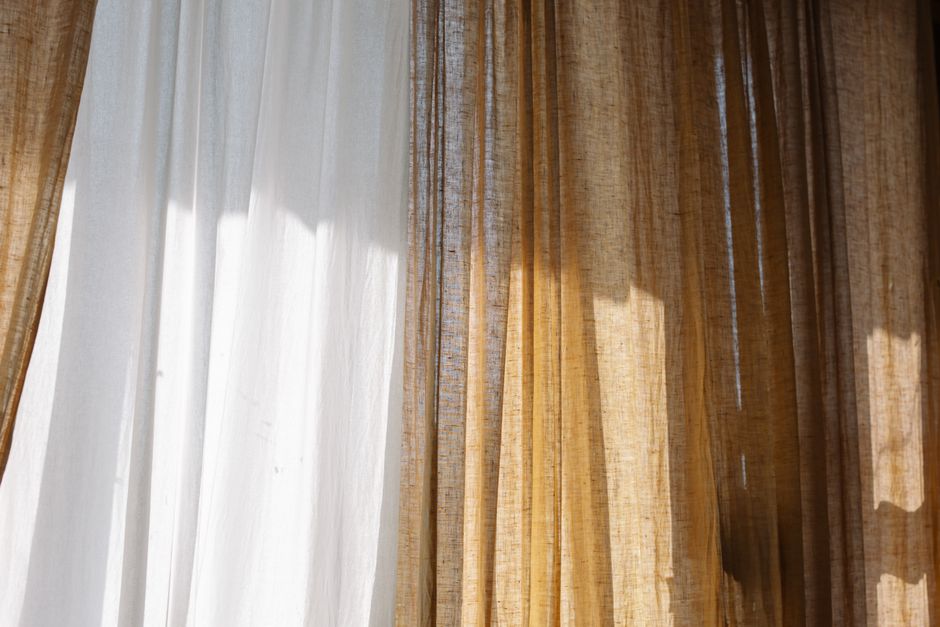
Light filtering fabrics are designed to allow a soft, diffused amount of natural light into a room while filtering out harsh glare and harmful UV rays. These fabrics are typically woven from lighter materials like cotton, linen, or polyester blends. They scatter sunlight as it passes through, creating a warm, airy glow. At the same time, they provide a level of daytime privacy—obscuring the view from outside without leaving you in the dark.
What Is Room Darkening?
Room darkening curtains are made from heavier, opaque or semi-opaque fabrics that block most (but not all) incoming light. They are often lined with a special coating or a thick layer of fabric that prevents light penetration. While true blackout curtains block 99% to 100% of light, room darkening curtains typically block around 95% to 99%—leaving a slight sliver of light at the edges or through the weave. They are a great middle-ground for people who want near-darkness without the full weight and cost of commercial blackout.
___PROTECTED_1___
Key Differences Between Light Filtering and Room Darkening
To see the comparison at a glance, consider the table below:
| Feature | Light Filtering | Room Darkening |
|---|---|---|
| Light Transmission | 30%–70% | 1%–10% |
| Privacy | Daytime privacy only | High privacy day and night |
| UV Protection | Blocks 50%–70% of UV rays | Blocks 90%–99% of UV rays |
| Energy Efficiency | Moderate insulation | Excellent insulation and thermal barrier |
| Aesthetic | Airy, soft, casual | Luxurious, structured, formal |
| Best For | Living rooms, dining spaces, offices | Bedrooms, media rooms, nurseries |
The key distinction lies in the fabric’s density and the presence of a lining. Light filtering fabrics are often single-ply and loosely woven. Room darkening fabrics are thicker, often with a blackout lining added during manufacturing.
___PROTECTED_2___
Light Filtering Fabrics: Pros and Cons
Pros
- Soft, natural light: Perfect for spaces where you want brightness without glare.
- Modern and airy aesthetic: Light filtering curtains add a breezy, contemporary feel to any room.
- Preserves the view: You can still see outside through the fabric during the day.
- Budget-friendly: Often less expensive than heavier darkening fabrics.
- UV damage reduction: Helps prevent fading of your furniture and flooring.
Cons
- Limited privacy at night: When interior lights are on, the fabric becomes translucent, exposing silhouettes.
- No sleep support: Light filtering does little to help shift workers or people who need absolute darkness.
- Energy efficiency lower: Provides minimal insulation compared to room darkening or blackout.
Best Uses for Light Filtering
Light filtering curtains shine in areas where you want to connect with the outdoors while protecting your privacy. Living rooms, dining rooms, reading nooks, and home offices benefit from the diffused daylight. If you have sheer or semi-sheer fabrics, they can also soften the look of a room and serve as a decorative layer under heavier drapes.
Room Darkening Fabrics: Pros and Cons
Pros
- Better sleep: Blocks most light, supporting melatonin production and restful sleep.
- Privacy and security: No one can see inside, even with your lights on.
- Thermal insulation: Helps keep rooms cooler in summer and warmer in winter, reducing energy bills.
- Acoustic benefits: When paired with acoustic fabrics, they can also dampen outside noise.
- Protects interiors: Blocks more UV rays, preventing color fading on furniture and artwork.
Cons
- Can feel heavy: Room darkening curtains are bulky and require sturdy hardware.
- May make rooms feel smaller: Darker, denser fabrics can visually shrink a space.
- Limited light control: Once closed, you lose the option to have soft daylight unless you layer.
Best Uses for Room Darkening
Bedrooms, guest rooms, nurseries, and media rooms are the most obvious choices for room darkening. If you work night shifts and sleep during the day, these curtains are essential. They are also ideal for home theaters where light bleed can ruin the cinematic experience. For hotels and hospitality, room darkening curtains are a standard requirement to ensure guest comfort.
How to Choose Between Light Filtering and Room Darkening
The decision ultimately comes down to your specific lifestyle, room function, and personal taste. Here are the key factors to evaluate:
1. Room Function
Ask yourself: What do I do in this room? For social spaces and workspaces, light filtering is often better to maintain alertness and a cheerful atmosphere. For rest and entertainment, room darkening or blackout is non-negotiable.
2. Privacy Requirements
If your windows face a busy street or a neighbor’s home, you need a higher level of privacy—especially at night. Room darkening fabrics offer complete privacy, while light filtering only provides privacy during daylight hours.
3. Climate and Energy Efficiency
If you live in a region with extreme temperatures, room darkening curtains (especially with thermal lining) will help stabilize your indoor temperature and cut energy costs. Light filtering is better for mild climates where you want to let the sun naturally warm your space.
4. Fabric Type and Style
What you choose is also influenced by the fabric’s texture and performance. Here’s how common fabric types stack up:
Sheer Curtains
Sheer fabrics are the ultimate light filters. They allow 60%–80% of light through, creating an ethereal, elegant look. They are best used alone in low-privacy areas or layered under heavier curtains to balance light and privacy.
Velvet Curtains
Velvet is a luxurious, high-density fabric that naturally blocks a significant amount of light. Depending on the weave, velvet can be either light filtering or room darkening. A velvet curtain with a light-colored lining is ideal for a glamorous living room that still needs to let in some sun. Unlined velvet or velvet with a blackout backing works beautifully in a cozy bedroom.
Blackout Curtains
Blackout sheer? Actually, blackout curtains are designed specifically to block light completely. They use a dense weave and a special opaque coating (often acrylic or foam-based). If true darkness is your goal, blackout is the superior choice. But because they are heavier, they require robust curtain rods and can be more costly.
Acoustic Curtains
Acoustic fabrics are designed to absorb sound. While not strictly about light, many acoustic curtains are also blackout or room darkening. They are made from thick, multi-layer materials that deaden sound while blocking light—making them perfect for home studios, noisy urban bedrooms, or media rooms.
Practical Tips for Maximizing Performance
Layering is Key
One of the best ways to get the best of both worlds is to layer light filtering and room darkening curtains. Use a sheer light-filtering panel on the inside and a room darkening or blackout curtain on the outside. During the day, close only the sheer layer for soft light; at night, close the heavy layer for total privacy and darkness.
Choose the Right Lining
If you love the look of a light fabric but need more darkness, ask your supplier to add a blackout lining. This converts almost any curtain into a room darkening treatment. On the flip side, you can choose a cotton liner that still lets some light through.
Installation Matters
Gaps around the edges of your curtains allow light to leak through. To achieve true room darkening, install a curtain track that extends several inches beyond the window frame on each side. Overlapping panels at the center and using a valance at the top can also block light from above.
Care and Maintenance
Light filtering fabrics with delicate threads may need gentle hand washing or vacuuming with a brush attachment. Room darkening curtains with a coating should not be machine washed harshly. Always check the manufacturer’s care label. For acoustic curtains, avoid washing altogether; use a steam cleaner or spot-clean with a damp cloth to preserve sound-absorbing properties.
Conclusion
Understanding the difference between light filtering and room darkening elevates your interior design from guesswork to intentionality. Whether you choose light filtering for an airy living space or room darkening for a serene bedroom, the right curtain fabric improves comfort, energy efficiency, and peace of mind. Remember to consider the room’s function, your privacy needs, and the fabric type—whether sheer, velvet, blackout, or acoustic. With the information in this guide, you are now ready to make a confident choice that suits both your lifestyle and your décor.
Explore our full collection of light filtering, room darkening, blackout, sheer, velvet, and acoustic curtain fabrics to find your perfect match. If you have any questions, our fabric experts are here to help you make the best decision for every window in your home or business.