Measuring windows for hotel curtains may seem straightforward, but accuracy is paramount to achieving a polished, professional look that complements the interior design while providing the desired functionality—whether it's blackout, sheer, velvet, or acoustic fabric. In hotel settings, curtains must meet strict standards for light control, noise reduction, and aesthetics. A poorly measured curtain can result in gaps, uneven hems, or insufficient coverage, leading to guest dissatisfaction and higher maintenance costs. This comprehensive guide will walk you through every step, from gathering the right tools to accounting for hardware and fabric type. Follow these instructions to ensure your hotel curtains fit perfectly every time.
Why Accurate Measurements Matter for Hotel Curtains
In the hospitality industry, first impressions are everything. Ill-fitting curtains not only look unprofessional but can also compromise the room's ambiance. Blackout curtains require precise width to block all light; acoustic curtains need to cover the entire window area for optimal sound absorption; sheer curtains need perfect drape to create an airy feel; and velvet curtains demand exact length to avoid pooling or hovering. Additionally, hotel curtains often undergo frequent laundering, so allowances for shrinkage must be considered. Accurate measurements reduce waste, save money on custom orders, and ensure consistency across rooms.
___PROTECTED_1___
Tools You'll Need for Measuring
Before you start, gather these essential tools:
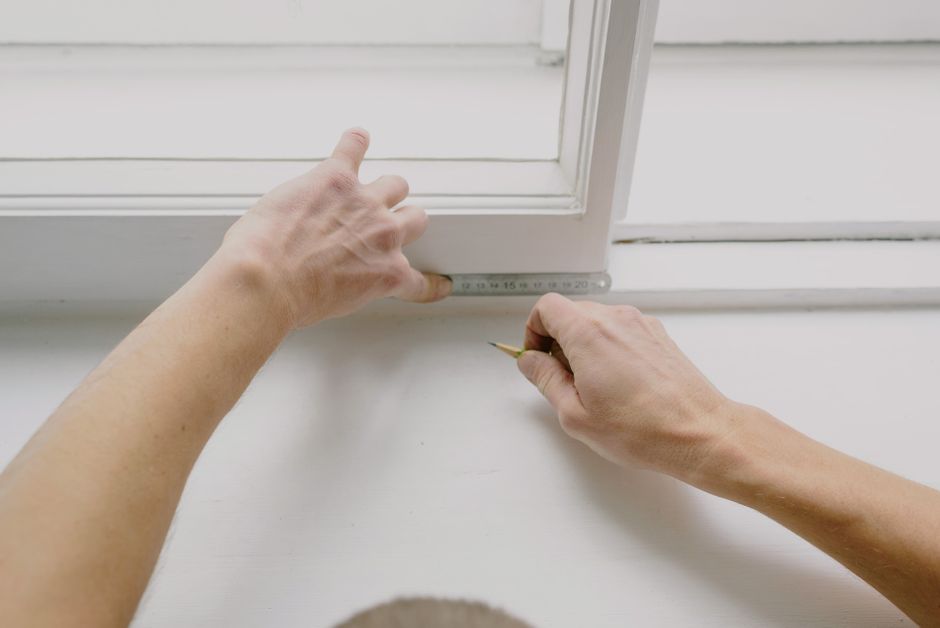
- Steel tape measure (retractable, at least 25 feet) – fabric tapes can stretch over time.
- Pencil and notepad – record measurements immediately to avoid errors.
- Step ladder – for tall hotel windows.
- Level – to ensure the window is square.
- Calculator – for adding allowances.
- Camera or smartphone – take photos of window and mounting area for reference.
___PROTECTED_2___
Step-by-Step Guide to Measuring Hotel Windows
1. Decide on Mounting Type
Hotel curtains can be mounted inside (within the window frame) or outside (on the wall or ceiling above the window). Inside mount offers a clean, built-in look but reduces light blockage slightly. Outside mount is preferred for blackout and acoustic curtains as it seals the window better.
2. Measure Width
For Inside Mount: Measure the width at the top, middle, and bottom of the window opening. Use the narrowest measurement to ensure the curtain fits without binding. Record this as the frame width.
For Outside Mount: Measure the width of the area you want the curtain to cover. Typically, add 8-12 inches on each side (16-24 inches total) to allow the curtain to stack back and reveal the full window when open. For blackout or acoustic curtains, add more to ensure overlap beyond the frame.
3. Measure Length
For Inside Mount: Measure from the top of the window frame to the sill (or desired length). Measure left, center, and right, and use the longest measurement to ensure the curtain reaches the bottom.
For Outside Mount: Decide on the curtain length: Sill-length (just above the sill), apron-length (below the sill), or floor-length (1/2 inch above floor for hotels to avoid dragging). Measure from the top of the mounting track/pole to the desired endpoint. Add 3-5 inches for header height if using a rod pocket or grommet.
4. Account for Hardware and Clearance
The curtain rod or track should extend beyond the window frame for outside mounts. For inside mounts, ensure the curtain's header doesn't protrude beyond the frame. Also consider the stack back (space needed when curtains are open) – typically 10-15% of the total width for each panel.
5. Double-Check with a Template
For large orders (e.g., 200 rooms), create a cardboard template of the finished curtain dimensions and test fit in one room before mass ordering. This catches errors early.
Common Mistakes to Avoid
- Measuring only once – always measure three times and use the average or consistent value.
- Ignoring window irregularities – old buildings often have unlevel windows; measure diagonals to check squareness.
- Forgetting fabric fullness – curtains need to be 2-3 times the window width for a gathered look; 1.5x for grommet or pleated. Sheer fabrics often require more fullness.
- Neglecting shrinkage – wash and dry a sample of the fabric per hotel laundry standards, then measure shrinkage percentage and add that to your total length.
- Using the wrong mount for curtain type – blackout curtains should always be outside mount to eliminate light gaps.
How to Measure for Different Curtain Styles
Blackout Curtains
Require the most precision. For outside mount, add 12-16 inches extra on each side and ensure the curtain overlaps at the center by 4-6 inches. Length should be 1/2 inch above the floor to avoid dragging. Use a track system for seamless closure.
Sheer Curtains
Sheers are often used as underlays or standalone for light filtering. They need 2.5-3 times fullness for a billowy look. Measure for an outside mount to achieve maximum coverage. Length can be sill or floor, but ensure they don't puddle (harder to clean).
Velvet Curtains
Velvet is heavy and luxurious. Use a sturdy rod or track. Measure width with 1.5-2 times fullness. Allow extra length for hemming if needed. Velvet shows light gaps easily, so outside mount with ample overlap is key.
Acoustic Curtains
These are thick and dense. Must cover entire window and wall area for soundproofing. Use outside mount and extend the curtain at least 6 inches beyond the frame on each side and 6 inches above the window. Floor-length is best. Measure the width of the room's wall if full coverage is needed.
Additional Considerations for Hotel Curtains
| Factor | Detail |
|---|---|
| Header Type | Pleated (pinch, goblet) looks formal; grommet is modern; rod pocket is simple. Header affects length measurement. |
| Stack Back | Plan for 10-15% of total width to be visible when open. |
| Height of Mounting | For outside mount, mount 4-6 inches above the window frame to create height illusion. |
| Fire Regulations | Hotel curtains must meet fire codes; measure to ensure no contact with heaters. |
| Motorization | If using automated tracks, add extra clearance for mechanisms. |
Conclusion
Accurate measurement is the foundation of a successful hotel curtain installation. By following this guide, you'll avoid costly mistakes and ensure that every curtain—whether blackout, sheer, velvet, or acoustic—fits flawlessly and functions as intended. Remember to consider the mounting type, fabric characteristics, and hotel-specific requirements like fire safety and ease of cleaning. With careful planning and precise measurements, your curtains will enhance guest comfort and elevate the property's aesthetic. For custom orders, always provide a detailed measurement chart including width, length, fullness ratio, and installation method. Happy measuring!