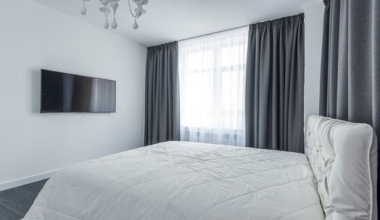
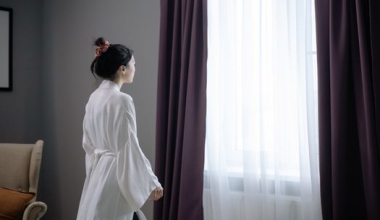
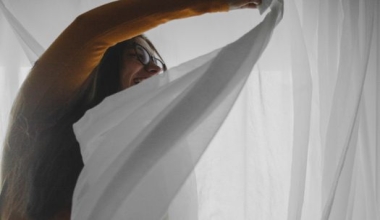
Cleaning curtains is essential for maintaining a fresh and healthy home environment, but the prospect of taking them down, washing, and rehanging can be daunting. Fortunately, many curtain types—including blackout, sheer, velvet, and acoustic fabrics—can be effectively cleaned without removing them. This guide presents seven simple methods to refresh your curtains in place, saving you time and effort. Each technique is tailored to different fabrics and levels of soiling, ensuring your curtains look their best without the hassle.

1. Vacuum with an Upholstery Attachment
Regular vacuuming is the safest and most effective way to remove dust, allergens, and light dirt from curtains without taking them down. Use a vacuum cleaner with an upholstery brush attachment to gently run over the fabric surface. For delicate sheers, switch to a lower suction setting or use a dust brush to avoid pulling or snagging the threads. For velvet curtains, vacuum in the direction of the pile to prevent crushing the fibers. Acoustic curtains benefit from vacuuming to maintain their sound-absorbing properties, as dust buildup can reduce efficiency. Aim to vacuum each panel at least once a week.
___PROTECTED_1___
2. Spot Clean Stubborn Stains
For localized stains—such as food, ink, or grease—spot cleaning is a quick fix without removing the curtain. Mix a small amount of mild liquid detergent with warm water, then dip a clean white cloth into the solution and blot the stain gently. Avoid rubbing, which can spread the stain or damage the fabric. For blackout curtains, test the solution on an inconspicuous area first, as some coatings may be sensitive. Velvet should be spot-cleaned with a barely damp cloth and then brushed lightly to restore texture. Always rinse the area with a cloth dipped in plain water and blot dry.
___PROTECTED_2___
3. Refresh with a Fabric Steamer
A handheld fabric steamer is ideal for removing wrinkles, odors, and light dust from curtains without direct contact. The steam penetrates fibers, killing dust mites and bacteria while revitalizing the fabric. Hold the steamer a few inches from the curtain and move it slowly in a downward motion. This method works particularly well for sheer and velvet curtains, which can be damaged by excessive heat or pressure. For acoustic curtains, steaming helps maintain their nap without compromising the acoustic properties. However, avoid steam on blackout linings that may be heat-sensitive—check the manufacturer's label first.
4. Dust Regularly with a Microfiber Cloth
Weekly dusting with a dry microfiber cloth or electrostatic duster prevents dust from settling deeply into the fabric. Simply wipe the curtains from top to bottom, using light pressure. This method is perfect for quick maintenance between deeper cleans. For velvet, use a soft-bristle brush or a microfiber cloth in the direction of the pile to avoid matting. For sheer curtains, a gentle hand dusting is sufficient. This routine is especially beneficial for households with allergies, as it reduces airborne particles.
5. Deodorize with Baking Soda
Baking soda is a natural deodorizer that can neutralize odors trapped in curtains. Lightly sprinkle baking soda over the fabric using a fine-mesh sieve, then let it sit for 15–30 minutes. Afterward, vacuum the curtains thoroughly with an upholstery attachment to remove the powder along with absorbed smells. This method is safe for all fabric types, including blackout, sheer, velvet, and acoustic curtains. It is particularly effective for curtains in kitchens or near smoking areas. Repeat monthly or as needed.
6. Lightly Mist with a Vinegar Solution
A diluted white vinegar solution can sanitize fabric and reduce static cling. Mix equal parts distilled white vinegar and water in a spray bottle, then lightly mist the curtains from a distance. Avoid soaking the fabric; a fine mist is enough. Allow the curtains to air-dry naturally. This method is excellent for killing mildew spores in humid environments. However, test on a hidden area first, as vinegar may affect certain dyes or blackout coatings. For sheer and velvet, use extra caution to prevent water spots or shrinkage. The faint vinegar smell dissipates quickly as it dries.
7. Tackle Dust and Pet Hair with a Lint Roller
A lint roller is a quick and effective tool for removing surface dust, pet hair, and lint from curtains without any liquid or effort. Simply roll the adhesive sheet over the fabric in a vertical motion, replacing the sheet when full. This method is ideal for frequent touch-ups on velvet and blackout curtains, where pet hair tends to cling. It also works well on sheer curtains for a quick clean between deeper maintenance. Keep a lint roller near your curtains for a daily once-over, especially in pet-owning households.
Quick Guide: Best Method for Each Fabric Type
| Fabric Type | Recommended Methods | Frequency |
|---|---|---|
| Blackout | Vacuum, spot clean, baking soda | Weekly vacuum; spot clean as needed |
| Sheer | Vacuum (low suction), dust, lint roller | Weekly dusting; monthly vacuum |
| Velvet | Vacuum with brush, steam (if safe), lint roller | Weekly vacuum; steam monthly |
| Acoustic | Vacuum, steam (low heat), baking soda | Bi-weekly vacuum; steam quarterly |
Conclusion: Cleaning curtains without removing them is not only possible but also efficient with the right techniques. By incorporating these seven methods into your regular maintenance routine, you can extend the life of your curtains and keep your home looking fresh. Always check the manufacturer's care label before applying any method, especially for specialty fabrics like blackout or acoustic curtains. With these tips, you can enjoy clean, vibrant curtains with minimal effort.