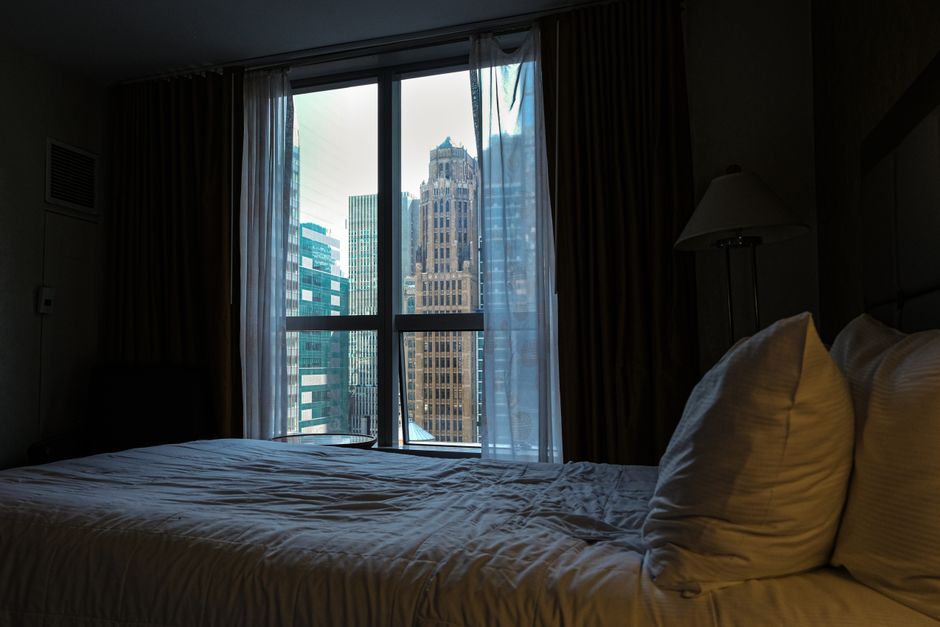
Why Chain Hotels Need Standardized Curtain Solutions
For chain hotels, consistency is everything. From the lobby to the guest rooms, travelers expect the same level of comfort, aesthetic appeal, and functionality whether they are in New York, London, or Tokyo. Window treatments play a critical role in this equation. Standardized hotel curtain solutions ensure that every property meets brand guidelines while delivering practical benefits like light control, privacy, noise reduction, and energy efficiency. A centralized approach to curtain procurement also simplifies maintenance, reduces costs, and helps maintain a cohesive visual identity across all locations.
Chain hotels face unique challenges: high occupancy turnover, frequent washings, and the need for durability under constant use. Unlike residential curtains, hotel curtains must withstand years of daily operation without fading, tearing, or losing their shape. They must also comply with strict fire safety regulations and provide tangible comfort benefits that boost guest satisfaction. This guide explores the key components of successful hotel curtain solutions, from fabric selection to installation and long-term care.
___PROTECTED_1___
Key Fabric Types for Chain Hotels
Choosing the right fabric is the most important decision when planning hotel curtains. The four primary categories used in modern hotels are blackout, sheer, velvet, and acoustic fabrics. Each serves a distinct purpose, and most hotel rooms use a combination of at least two layers to maximize comfort and flexibility.
Blackout Curtains
Blackout curtains are essential in hotel bedrooms. They block up to 99% of external light, helping guests sleep deeply regardless of the time of day. For chain hotels, triple-weave blackout fabrics are recommended because they do not require a separate lining, making them easier to launder and more cost-effective. Look for fabrics that are certified to block UV rays, which also protects furniture and flooring from sun damage. In addition, blackout curtains provide a thermal barrier, reducing heat gain in summer and heat loss in winter, which can significantly lower energy costs across a large property.
Sheer Curtains
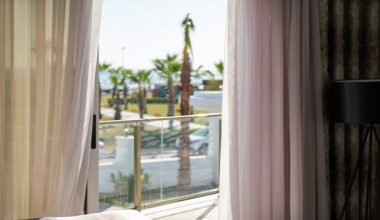
Sheer curtains are the perfect daytime companion to blackout drapery. They filter harsh sunlight while maintaining a sense of openness and privacy. In chain hotels, sheers create a soft, airy ambiance in guest rooms and suites. They are also used in lobbies and dining areas to diffuse natural light without darkening the space. When selecting sheers, prioritize materials with a high thread count and inherent flame-retardant properties to meet safety codes. Polyester and fiberglass blends are popular choices due to their durability, resistance to wrinkles, and ease of cleaning.
Velvet Curtains
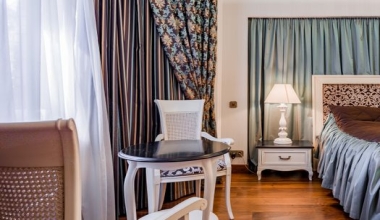
Velvet curtains bring a luxurious, premium feel to upscale hotel rooms and suites. The dense pile of velvet fabric provides excellent sound absorption and thermal insulation, making it as functional as it is elegant. For chain hotels, crushed velvet and faux velvet (polyester-based) are more practical than traditional silk velvet because they resist crushing, fading, and moisture damage. Velvet curtains are often used in hospitality suites, executive lounges, and ballrooms to create a dramatic, high-end atmosphere. They can also be paired with blackout linings to deliver both opulence and functionality.
Acoustic Curtains
Acoustic curtains are an innovative solution for hotels located near busy roads, airports, or nightlife districts. These heavy, dense curtains are specifically engineered to absorb sound waves, reducing noise penetration from outside and dampening echoes inside the room. Made from mass-loaded vinyl or thick multi-layer fabrics, acoustic curtains can lower noise levels by up to 20 decibels. For chain hotels, acoustic curtains are particularly valuable in rooms facing main streets, near elevator shafts, or adjacent to function spaces. They are often rated by their Noise Reduction Coefficient (NRC) and should be installed with a floor-to-ceiling track and a deep valance to maximize effectiveness.
___PROTECTED_2___
Selecting the Right Curtain Track and Hardware
Hotels require robust hardware that can operate smoothly and quietly for decades. Standard residential rods are not sufficient. Chain hotels should invest in heavy-duty aluminum or stainless-steel tracks with silent gliders. Key options include:
- Ceiling-mounted tracks: Ideal for floor-to-ceiling curtains, these tracks create a clean, modern look and block light gaps at the top.
- Cordless and motorized systems: Motorized curtains are increasingly common in premium hotels. They offer convenience for guests and are easier to operate for people with disabilities. Battery or hardwired motors can be integrated into smart room control systems, enhancing the guest experience.
- Wall-mounted tracks: Used when ceiling mounting is not possible, these should have reinforced brackets and a concealed or decorative face.
Always choose hardware that matches the weight and frequency of use of the curtains. Triple weaves and velvet are heavy, so the track must support the load without sagging. For acoustic curtains, ensure the track is installed close to the ceiling and walls to create a tight seal. Silicone or brush seals on the sides and top prevent light leakage and improve soundproofing.
Fire Safety and Compliance Standards
Fire safety is non-negotiable in hospitality. Every curtain fabric used in a chain hotel must comply with local and international fire regulations, such as NFPA 701 in the United States, BS 5867 in the UK, and similar standards in other regions. These standards specify how quickly a fabric must self-extinguish when exposed to flames. Many fabrics are treated with flame retardant chemicals during manufacturing. However, frequent washing can reduce the effectiveness of these treatments, so it is crucial to work with suppliers who offer fabrics with permanent fire-resistance or to schedule re-treatment as part of the maintenance process.
When procuring curtains for multiple properties, always request a sample batch for independent testing. Confirm that the fabric label includes the specific fire code it meets, and keep records of all certificates. In addition, consider the smoke and toxicity levels of burning materials. Some synthetic fabrics release dangerous gases when burned; selecting inherently flame-retardant materials like modacrylic or treated polyester can mitigate this risk. Training housekeeping staff to never iron curtains that have been cleaned with flame retardants is also important, as high heat can degrade fire-resistant properties.
Durability and Maintenance for High Turnover
Hotel curtains endure more wear in a year than residential curtains do in a lifetime. They are pulled, rubbed, and exposed to dust, humidity, and occasional stains. Therefore, durability must be a primary consideration. Key factors include:
- Tensile strength: The fabric should resist tearing and fraying, even after repeated washing.
- Colorfastness: Dyes should withstand sunlight and washing without fading or bleeding.
- Resistance to abrasion: Heavy wear at the bottom hem and where guests pull the curtain requires a fabric with high abrasion resistance.
- Shrinkage: High-quality fabrics should shrink less than 3% after the first wash.
Proper care is essential. Most hotel curtains are washed on an industrial scale, so choose fabrics that can withstand high-temperature washing (up to 60°C or higher) and tumble drying without losing their shape. Consider using a drapery cleaning service that specializes in hospitality textiles. A good routine includes monthly vacuuming with a soft brush attachment, annual deep cleaning, and immediate spot treatment for stains. For motorized curtains, inspect the mechanisms regularly to prevent belt slippage or motor burnout.
Cost-Effective Bulk Procurement Strategies
Chain hotels benefit from economies of scale. Centralizing curtain purchases for all properties can drastically reduce unit costs and ensure consistency. Here are practical strategies:
- Develop a corporate specification: Create a document that details exact fabric compositions, weights, colors, and fire-retardant standards. This allows you to source from multiple vendors while maintaining uniformity.
- Negotiate long-term contracts: Establish a direct relationship with a manufacturer or wholesale supplier. Commit to a minimum annual volume in exchange for discounted pricing and priority production slots.
- Use consistent color palettes: Limit the variety of curtain colors across the chain. Neutral tones like beige, grey, and cream are versatile and reduce inventory costs.
- Standardize sizes: Design guest rooms with standard window heights and widths where possible. Custom sizes increase manufacturing and installation costs.
- Plan for phased replacements: Rather than replacing curtains in all properties at once, stagger replacements over several years to manage cash flow. Use a lifecycle database to track the age of each installation.
Outsourcing to a specialized hotel curtain supplier can also simplify logistics. These suppliers handle on-site measurements, fast-track production, and even installation crews, which reduces the burden on individual hotel managers.
Implementing a Brand-Wide Curtain Program
Rolling out new curtain solutions across a chain requires careful project management. The following steps can help ensure a smooth implementation:
- Audit existing infrastructure: Survey every property to measure window dimensions, track types, and mounting conditions. This data forms the foundation of your procurement order.
- Define guest experience objectives: Determine the desired atmosphere for each hotel tier. For example, budget properties may only need single-layer blackout curtains, while luxury brands can combine sheers, blackouts, and velvet overlays.
- Select pilot properties: Test the new curtains in two or three representative hotels before committing to a full rollout. Gather feedback from housekeeping, front desk, and guests.
- Create a training manual: Provide each property with care instructions, troubleshooting guides for hardware, and emergency contact numbers for the supplier.
- Establish KPIs: Track metrics such as energy savings, guest satisfaction scores related to sleep quality, and maintenance costs per room.
Communication is vital. Involve property managers in the decision-making process early on, and provide clear documentation on the benefits of the new curtains. This ensures staff are motivated to care for them properly.
Case Study: Revamping a 500-Room Hotel Chain
Imagine a regional hotel chain with 10 properties, each with 50 rooms, approaching a massive window treatment upgrade. The chain had been using outdated brown polyester curtains that were faded and difficult to clean. Guest complaints about light leakage and street noise were increasing. After a complete audit, the chain decided to implement a new standard:
- Fabric: Triple-weave blackout polyester for all guest rooms (color: warm grey).
- Sheer layer: Semi-sheer polyester with white finish in every room.
- Acoustic upgrade: Properties located near highways received an additional acoustic lining (thick mass-loaded vinyl).
- Hardware: Silent ceiling-mounted aluminum tracks with motorization in 30% of rooms (suites and accessible rooms).
| Metric | Before Upgrade | After Upgrade |
|---|---|---|
| Guest complaints about light (per month) | 22 | 3 |
| Noise complaints | 18 | 5 |
| HVAC energy costs (annual) | $45,000 | $38,000 |
| Curtain replacement rate | Every 2 years | Every 5 years |
Within a year of the rollout, the chain saw a 30% reduction in guest complaints related to sleep quality and a significant improvement in online review scores for cleanliness and comfort. The standardized program also allowed the chain to negotiate a 20% discount from their supplier by committing to a five-year volume contract.
Conclusion
Hotel curtain solutions for chain hotels are not just about looks; they are a strategic investment in guest satisfaction, energy efficiency, and brand consistency. By choosing the right combination of blackout, sheer, velvet, and acoustic fabrics, investing in durable hardware, and following strict maintenance guidelines, hotel operators can create comfortable and appealing environments that keep guests coming back. Remember to prioritize fire safety, test materials thoroughly, and centralize procurement to achieve the best value. With careful planning and the right suppliers, your chain can transform every window into a competitive advantage.